
How To
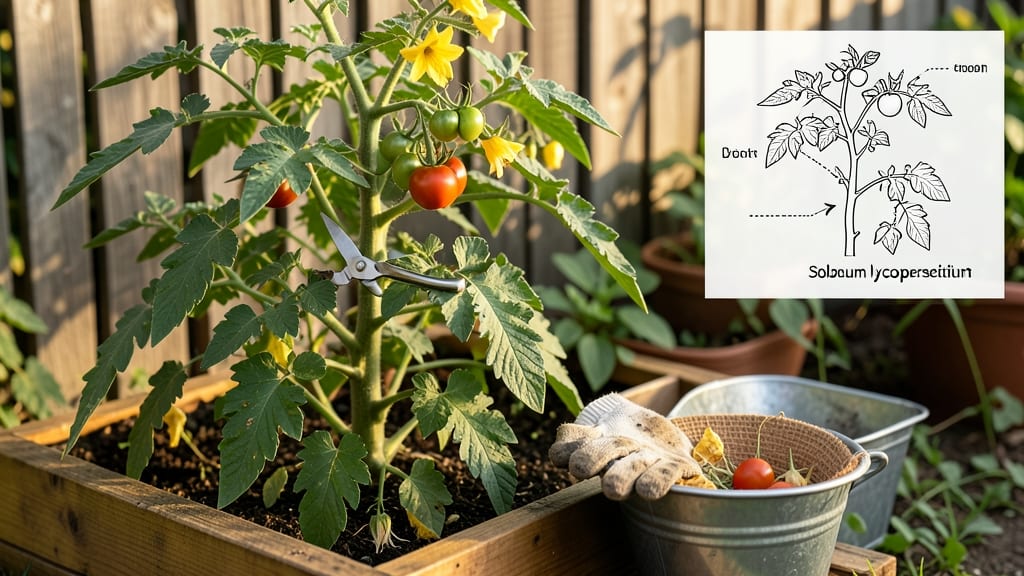
Pruning tomato plants isn't just about trimming—it's the secret to bigger, healthier fruit and fewer diseases. 🌱 I learned the hard way that skipping this step means fewer tomatoes and more wasted energy in your plants.
The right cuts redirect growth where you want it, and it only takes 10 minutes once you know what to look for.
Start by identifying your tomato type—indeterminate vines need regular pruning to climb and produce, while determinate bushes stay compact. Use clean shears to snip suckers (those little shoots between stems) and any crowded branches, always cutting above a leaf joint.
The goal is airflow: 3-4 main stems with proper spacing gives you the best yield, and prevents fungal issues that ruin harvests.
📚 In This Guide
- What you need
- Instructions
- Tips and common mistakes
- Wrapping up and next steps
What you need
- ● Sharp pruning shears or scissors – Look for bypass pruners (5-7 inches) with stainless steel blades to avoid crushing stems.
- ● Clean, sharp garden knife or pruning saw – For thicker stems or suckers that need a precise cut.
- ● Disinfectant (rubbing alcohol or bleach solution) – Clean tools between cuts to prevent disease spread (1 part bleach to 9 parts water).
- ○ Gloves (optional but recommended) – Nitrile or leather gloves protect against thorns and sap irritation.
- ● Garden twine or plant ties – For supporting pruned plants (3-4 feet per plant).
- ● Sturdy stakes or cages – If your tomatoes aren’t already supported (2-3 stakes per plant, 5-6 feet tall).
- ● Compost or mulch – To replenish soil after pruning (2-3 inches around the base).
- ● Watering can or hose with a gentle nozzle – For post-pruning hydration.
- ● Hand lens or magnifying glass – For spotting tiny suckers or pests.
- ○ Plant growth regulator (optional) – Like seaweed extract to encourage faster recovery after pruning.
- ● Spray bottle with water – To mist cuts and reduce stress on the plant.
- ● Notebook & pen – To track pruning dates and plant progress!
Step-by-Step guide to pruning tomato plants
Pruning isn't just about cutting—it's about directing energy to fruit production. Here's how I do it for bountiful harvests.
✂️ Step 1: Identify the Main Stem and Remove Suckers
Start by locating the main stem, which is the thick central vine growing straight up from the base. Suckers are the small shoots that grow in the "V" between the main stem and a branch. These compete with fruit for energy, so remove them with clean, sharp pruning shears.
Pinch suckers off when they're about 2-3 inches long—this prevents them from growing into large, energy-draining stems. I always work from the bottom up, removing suckers as I go. If you miss a sucker, it can grow into a full branch that steals nutrients from your tomatoes.
🌿 Step 2: Prune Lower Leaves for Airflow and Sunlight
Remove leaves from the bottom 12-18 inches of the plant, especially those touching the soil. These leaves block airflow, increasing the risk of disease like blight. Use your fingers to gently pull leaves off—they should come away cleanly without tearing the stem.
Stop pruning leaves when you reach the first flower cluster. The remaining leaves will provide energy for fruit production. If you remove too many leaves, the plant won't have enough foliage to support its harvest. Aim to leave 12-15 leaves above each flower cluster.
☀️ Step 3: Support and Train the Main Stem
As the main stem grows, tie it to a sturdy stake or trellis with soft plant ties or strips of cloth. This keeps the plant upright and prevents it from snapping under the weight of fruit. I like to tie the stem at 12-inch intervals to distribute support evenly.
For indeterminate varieties (which grow continuously), prune the main stem to encourage bushier growth. Pinch the top of the main stem when it reaches your desired height—usually 4-5 feet for most gardeners. This redirects energy to fruit production instead of vertical growth.
⏰ Step 4: Prune Regularly Throughout the Growing Season
Check your tomato plants every 5-7 days for new suckers or overcrowded branches. Prune in the morning so wounds have time to heal before evening. Avoid pruning when the plant is wet, as this can spread disease through open cuts.
Reduce pruning as the plant matures and begins to fruit heavily. Focus on removing only the most aggressive suckers or diseased leaves. The goal is balance—too much pruning weakens the plant, while too little reduces yield. You'll know you're doing it right when the plant has a strong, upright structure with plenty of fruit-bearing branches.
🌱 Step 5: Prune for Disease Prevention and Harvesting
Remove any leaves that show signs of disease, such as yellowing, spotting, or wilting. Dispose of these leaves in the trash—not the compost—to prevent spreading pathogens. Prune just above a healthy leaf or stem to encourage new growth.
As fruit ripens, prune any branches that are overloaded with tomatoes. Overburdened branches can snap, wasting your harvest. Aim to leave 5-7 tomatoes per cluster for the largest, healthiest fruit. Prune regularly to keep the plant's energy focused on producing high-quality tomatoes.
Tips & tricks for pruning tomato plants
These simple strategies will help you prune like a pro and get the most out of your tomato harvest.
Timing is Everything: I can't stress this enough—always prune in the morning. This gives any cuts time to heal before the evening, reducing the risk of disease. I also avoid pruning when the plants are wet, as moisture can introduce pathogens through fresh cuts. The 5-7 day check mentioned in Step 4 is perfect for keeping up with new growth without overdoing it.
Tool Selection Matters: Never use dull or dirty pruning shears—they can damage stems and spread disease. I keep a small bottle of rubbing alcohol nearby to wipe down my shears between cuts. For smaller shoots, I find that using my fingers to pinch off suckers works just as well as shears, and it gives me better control over the size of the cut.
Visual Cues for Pruning: When removing suckers in Step 1, look for the classic "V" shape where they emerge. The ideal time to remove them is when they're about 2-3 inches long—this is when they're still small enough to pinch off easily. For leaf pruning in Step 2, aim to remove leaves that are touching the soil or shading the fruit. The goal is to let sunlight reach the lower branches where tomatoes form.
Support System Check: The 12-inch intervals for tying your plant in Step 3 are crucial for preventing breakage. I use soft plant ties or even old fabric strips because they're gentle on the stems. If you notice your plant leaning or sagging between ties, add an extra one immediately—this prevents the stem from bending permanently, which can reduce fruit production.
Pro Tips for Prune Tomato Plant
- These simple strategies will help you prune like a pro and get the most out of your tomato harvest.
- Timing is Everything: I can't stress this enough—always prune in the morning.
- Tool Selection Matters: Never use dull or dirty pruning shears—they can damage stems and spread disease.
Frequently asked questions
Got questions about pruning tomato plants? You’re not alone! Here are answers to the most common concerns—whether you're a first-time gardener or looking to refine your technique.
When is the best time to prune tomato plants?
Prune determinate (bush) tomatoes lightly to remove suckers early in the season, but avoid heavy pruning after flowering. For indeterminate (vining) types, prune regularly throughout the growing season—focus on removing suckers when they’re small (about 2–3 inches long) to redirect energy to fruit production. Pro tip: Never prune when plants are wet or stressed!
Should I prune tomato plants at all if I’m a beginner?
Pruning isn’t mandatory, but it boosts yield, improves airflow, and reduces disease risk. Start with minimal pruning—just remove the lowest leaves (up to 12 inches from the ground) and any diseased or yellowing foliage. Indeterminate varieties benefit most from pruning, while determinate types tolerate less. Think of it as giving your plants a spa day!
Will pruning tomato plants reduce my harvest?
Not if done correctly! Pruning indeterminate tomatoes actually increases fruit size and quality by focusing energy on fewer, healthier blooms. Determinate types may produce slightly fewer tomatoes but ripen faster. The key is balance—over-pruning stresses plants, while under-pruning can lead to crowded, disease-prone foliage. Less is more!
Can I prune tomato plants in hot or cold weather?
Avoid pruning during extreme heat (above 90°F) or cold snaps, as it stresses plants and slows recovery. Early morning or late afternoon on mild, cloudy days is ideal. If you must prune in heat, do it gradually over a few days. Wait until soil is warm (60°F+) and plants are established (about 2–3 weeks after transplanting).
What should I do with the pruned branches and leaves?
Remove pruned material immediately from the garden to prevent pests or diseases from spreading. Toss them in the trash (not compost) if they show signs of disease. For healthy clippings, you can chop them into mulch for other plants or use them as nitrogen-rich green manure in your compost bin. Clean tools with rubbing alcohol between cuts to avoid contamination!
My tomato plant looks sad after pruning—did I mess up?
Don’t panic! Mild wilting or slowed growth is normal as plants adjust. If leaves turn yellow (chlorosis) or stems look mushy, you may have pruned too aggressively or damaged the plant. Water deeply, avoid fertilizing for a week, and monitor for pests. Most plants bounce back in 5–7 days. Over-pruning is the only real mistake—trust your instincts!
| Quick Troubleshooting Guide |
|---|
| Problem: No fruit after pruning |
| Solution: Check for pollinators (like bees) or hand-pollinate flowers. Indeterminate types need consistent pruning—don’t stop mid-season! |
| Problem: Blossoms dropping off |
| Solution: Likely due to temperature stress (below 55°F or above 90°F). Prune less aggressively and ensure consistent watering. |
| Problem: Leaves curling or spots |
| Solution: Remove infected leaves immediately and improve airflow. Avoid overhead watering to prevent fungal diseases like early blight. |
Wrapping up and next steps
Pruning your tomato plants might seem like a daunting task at first, but with the right techniques and a little patience, you’ll unlock a bountiful harvest of juicy, flavorful tomatoes! 🌱 The key is to balance growth and fruit production, remove diseased foliage, and encourage airflow—all while adapting to your plant’s needs.
Whether you’re a seasoned gardener or a beginner, these steps will help you prune like a pro.
Now that you’re armed with knowledge, grab your pruners and get started! Keep an eye on your plants throughout the season, and don’t forget to reward yourself with the delicious rewards of your hard work. Happy gardening! 🍅✨