
How To
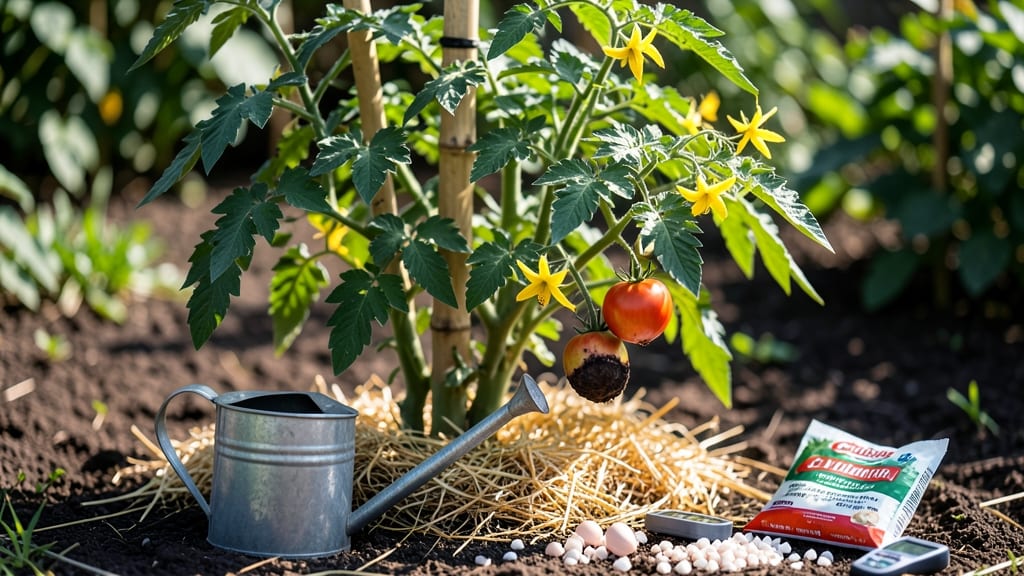
Your tomato plants are producing misshapen fruit with sunken, leathery bottoms—classic signs of how to stop blossom end rot on tomato plants. The good news? This calcium deficiency isn’t a death sentence, and with a few targeted fixes, you’ll be harvesting perfect, crisp tomatoes in no time.
The problem starts when uneven watering or poor soil calcium disrupts fruit development. I’ve seen this ruin entire harvests, but the solution is simpler than you’d think: consistent moisture, a calcium boost, and a little mulch to keep roots happy.
No fancy tools or expensive sprays needed—just smart adjustments. Within 2-3 weeks of implementing these fixes, new blossoms will form without the telltale dark spots, and existing affected fruit can sometimes recover if you remove the worst spots. The key is acting fast before the rot spreads.
Works for both garden beds and containers, and the same principles apply whether you’re growing heirlooms or hybrids. Let’s get those tomatoes back on track!
Root Causes of Blossom End Rot
Blossom end rot isn’t just a random misfortune—it’s your tomato plants sending an SOS about their health. Understanding the real culprits behind this frustrating problem is the first step to fixing it.
Let’s break down the science behind why your tomatoes develop those ugly, sunken black spots at the blossom end.
Calcium is the unsung hero of tomato growth, playing a critical role in cell wall strength and fruit development. When your plants can’t absorb enough calcium—even if the soil contains it—they struggle to deliver it to the fastest-growing parts: the blossom ends of tomatoes.
- Why it happens: - Calcium moves passively through the plant via water flow (transpiration).
If water uptake is inconsistent (e.g., drought followed by heavy watering), calcium can’t reach the fruit in time. - High nitrogen fertilizers (like fresh manure or synthetic N-heavy blends) can starve roots of oxygen, slowing calcium absorption. - Cool soil temperatures (below 60°F/15°C) reduce root activity, cutting off calcium supply.
💡 Pro Tip: A soil test can reveal calcium levels, but even "calcium-rich" soil may not deliver if roots aren’t active or water isn’t moving properly.
Tomatoes are thirsty divas—they demand consistent moisture, but their roots can’t keep up when conditions swing between drought and deluge. Blossom end rot thrives in this chaos because:
- Why it happens: - Drought stress: When roots can’t pull up enough water, calcium transport grinds to a halt. The blossom end—being the youngest, fastest-growing part—suffers first. - Overwatering or poor drainage: Waterlogged soil drowns roots, cutting off oxygen and calcium uptake.
Even if you’re watering "a lot," if the soil is compacted or lacks organic matter, roots can’t access nutrients. - Inconsistent watering: Skipping days (or weeks) between waterings creates a stop-and-go calcium pipeline, leaving blossom ends high and dry.
🌡️ Watch For: Wilting leaves followed by sudden heavy watering? That’s a blossom end rot red flag.
Calcium is most available to plants when soil pH is slightly acidic to neutral (6.0–7.0). If your soil is too alkaline (pH > 7.5) or acidic (pH < 5.5), calcium becomes chemically "locked" and roots can’t absorb it—even if it’s present.
- Why it happens: - High pH (alkaline soil): Calcium binds to phosphorus and other minerals, making it unavailable. Common in regions with limestone or hard water. - Low pH (acidic soil): While excess acidity can leach calcium, it’s less common than alkaline issues.
More likely to cause magnesium or iron deficiencies instead. - Salt buildup: Over-fertilizing with synthetic salts (like ammonium-based fertilizers) raises soil salinity, stressing roots and blocking nutrient uptake.
📊 Test It: A simple soil pH test kit ($10–$15) can reveal if your garden is calcium-hostile.
If tomato roots are injured, compacted, or diseased, they can’t absorb calcium efficiently—no matter how much is in the soil. Common offenders include:
- Why it happens:
- Physical root damage: Overzealous weeding, tilling too close to plants, or girdling roots (where roots grow into the stem) strangle nutrient flow.
- Fungal/bacterial infections: Diseases like root rot (Phytophthora) or nematodes destroy root hairs, reducing surface area for calcium uptake.
- Poor soil structure: Clay-heavy or compacted soil limits root growth, creating a starvation zone for calcium.
🔥 Fix It: Add compost or vermiculite to loosen soil, and rotate crops to avoid reinfecting roots.
Tomatoes under heat stress or poor air circulation can’t photosynthesize efficiently, leading to nutrient imbalances—including calcium shortages in fruit.
- Why it happens:
- Extreme heat (above 90°F/32°C): Plants transpire faster than roots can supply water (and calcium), causing physiological drought.
- Shade or overcrowding: Reduces sunlight, slowing growth and diverting calcium to leaves instead of fruit.
- Sudden temperature swings: Cold nights or hot afternoons stress plants, disrupting nutrient transport.
✨ Shade Hack: Use lightweight row covers or drip irrigation to keep soil temps stable during heatwaves.
Blossom end rot rarely happens in isolation—it’s usually a combo of factors. For example:
- Drought → Root stress → Calcium cutoff → Black spots
- Alkaline soil + overwatering → Unavailable calcium → Fruit collapse
The good news? Fixing one or two of these issues often stops the rot in its tracks. Next up: How to Rebalance Your Tomato Plants for a calcium-rich harvest. 🍅💪
Fixing Blossom End Rot Fast
Blossom end rot doesn’t have to mean the end of your tomato dreams! With the right fixes, you can rescue your plants and prevent future outbreaks. Below, we’ll match the most common causes to practical solutions—plus tips to keep your tomatoes thriving.
If your soil is low in calcium, your tomatoes are starving at the cellular level. Act fast with these fixes:
- 🍳 Calcium Spray or Soak Mix 1 tablespoon of calcium chloride or crushed eggshells in 1 gallon of water. Spray the foliage and soil at the base of the plant. Repeat every 7–10 days until new fruit forms.
- 👨🍳 Soil Boost (Organic Option) Work crushed eggshells, oyster shell lime, or bone meal into the top 2–3 inches of soil. Avoid overdoing it—too much can raise soil pH and lock out other nutrients.
- 🥘 Mulch for Moisture & Calcium Use straw or grass clippings as mulch to slow moisture loss and improve calcium uptake. Avoid synthetic mulches that can dry out soil.
✨ Pro Tip: If you’re using compost tea, strain out any calcium-rich additives (like eggshells) to avoid clogging your sprayer.
Fluctuating water levels stress plants and prevent calcium absorption. Keep soil consistently moist (but not soggy) with these steps:
- 🌡️ Drip Irrigation or Soaker Hoses Water slowly at the base (not overhead) for 1–2 hours, 2–3 times per week. Avoid wetting leaves to prevent disease.
- 🎯 Mulch to Lock in Moisture Apply 2–3 inches of organic mulch (straw, wood chips) to reduce evaporation. Replenish as it breaks down.
- ⏰ Watering Schedule Morning is best—water before 10 AM to let foliage dry and prevent fungal issues. Use a moisture meter if you’re unsure.
💡 Quick Fix: If you’ve already missed a watering day, deep-water the plant immediately to rehydrate roots.
Tomatoes hate temperature swings! If nights dip below 50°F (10°C) or days exceed 90°F (32°C), growth slows and calcium uptake drops.
- 🥗 Shade Cloth for Hot Days Use 30–50% shade cloth during peak afternoon sun in scorching climates. Remove it in cooler weather.
- 🌡️ Row Covers for Cool Nights Lightweight frost blankets can protect plants when temps drop below 55°F (13°C). Secure edges to avoid wind damage.
- 🍅 Adjust Planting Time If your climate has short summers, opt for heat-tolerant varieties like ‘Solar Fire’ or ‘Heatmaster.’
⚠️ Warning: Avoid overwatering in heat—it can dilute nutrients and worsen rot.
If your soil pH is too high (>7.0) or too low (<6.0), calcium becomes unavailable. Test your soil (kits are cheap!) and adjust:
| pH Level | Problem | Fix |
|---|---|---|
| <6.0 | Calcium locks out | Add lime (pelletized) |
| >7.0 | Calcium binds to soil | Add sulfur or peat moss |
| 6.0–7.0 | Ideal range | Monitor with regular testing |
💡 Pro Tip: Epsom salt (magnesium sulfate) can help if calcium issues persist alongside magnesium deficiency.
Once you’ve fixed the current rot, keep it from returning with these habits:
- 🔄 Rotate Crops Avoid planting tomatoes (or nightshades like peppers/eggplants) in the same spot yearly. Rotate with legumes or brassicas to replenish soil.
- 🥚 Build Calcium Reserves Top-dress with crushed eggshells or kelp meal every 4–6 weeks during the growing season.
- 🌱 Companion Planting Grow basil, marigolds, or borage near tomatoes—they improve soil structure and deter pests that stress plants.
- 📅 Start Strong Hardened-off seedlings (not direct-sown) have a head start on calcium uptake. Use transplants in cooler climates.
Final Thought: Blossom end rot is a fixable problem—not a death sentence for your garden. With consistent care, your tomatoes will bounce back with juicy, rot-free fruit in no time! 🍅✨
Frequently asked questions
Can I still eat tomatoes with blossom end rot?
Yes, but remove the affected areas first! Cut out the dark, sunken spots and up to ½ inch of healthy tissue around them. The rest of the tomato is safe to eat—just discard the rotten part. For severe cases, compost the whole fruit to prevent spreading disease to other plants.
How quickly will my tomato plants recover after fixing the issue?
You’ll typically see improvement in 2-3 weeks, but it depends on how early you act. New blossoms should form without rot within 7-10 days of consistent watering and calcium treatment. Existing fruit may not recover, but future harvests will be perfect if you maintain the fixes.
What’s the best organic calcium source for my tomato plants?
Crushed eggshells are the easiest DIY option—simmer them in water for 10 minutes, strain, and use as a foliar spray. For soil, work in oyster shell lime or bone meal (follow package rates). Kelp meal also provides calcium plus trace minerals. Avoid overdoing it—too much can disrupt other nutrients!
Will pruning help prevent blossom end rot?
Pruning alone won’t fix calcium issues, but it can help! Remove suckers and lower leaves to improve air circulation and reduce stress. Focus on keeping the plant’s energy on fruit production. Pair pruning with consistent watering and calcium supplements for best results. Avoid over-pruning—leave enough foliage to shade fruit.
Can container-grown tomatoes get blossom end rot too?
Containers actually make plants more vulnerable because they dry out faster. Use self-watering pots or check moisture daily. Add 1 tablespoon of crushed eggshells to the potting mix at planting time, and water consistently. Drip irrigation works best for containers to maintain even moisture.