
Vegetables
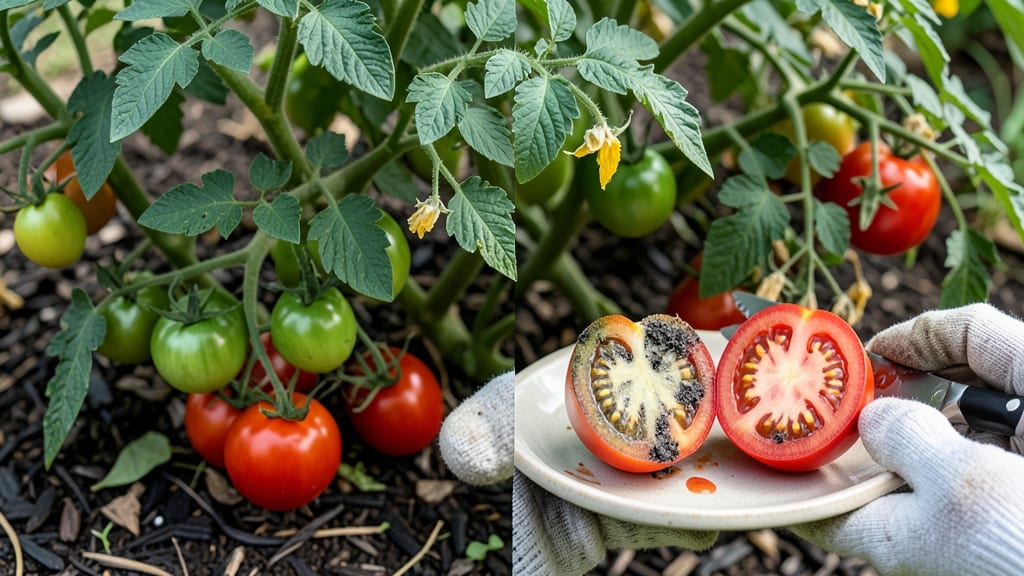
How to tell if a tomato is bad inside—your fruit might look perfect on the outside, but something’s wrong beneath that glossy skin. 🍅 The key to spotting rot before cutting lies in five sneaky clues—soft spots, unusual colors, or even a strange smell—that reveal what’s really going on beneath the surface. First, squeeze gently: a tomato that gives too easily or feels mushy is already breaking down inside. Then check for dark, sunken patches (blossom end rot) or fuzzy white mold (fungal infection). A foul, fermented odor means bacteria have taken over—no saving that one. Even a slightly wrinkled skin or uneven ripening signals trouble. With a little practice, you’ll spot these signs before they ruin your sandwich or salsa. Proper storage—cool, dry, and out of direct sunlight—keeps tomatoes fresh for weeks, while sorting through your harvest weekly prevents rot from spreading. If you catch it early, some tomatoes can still be salvaged for cooking. But when in doubt, toss it—internal rot spreads faster than you think, and you don’t want that sneaking into your next meal.
Hidden Spoilage Culprits
Tomatoes may look fresh on the outside, but their insides can turn sour, mushy, or even moldy without warning. Understanding why this happens helps you spot trouble early and avoid wasted food—or worse, foodborne illness. Here’s a breakdown of the science behind hidden tomato spoilage:
Bacteria and fungi are the top culprits behind tomatoes going bad inside. These microbes thrive in warm, moist environments—like your fridge or pantry—and break down the tomato’s structure over time.
- Bacteria: E. coli, Listeria, and Salmonella can sneak in through tiny cuts or bruises, multiplying rapidly if the tomato is stored improperly. Once inside, they produce toxins that make the flesh slimy, discolored, or foul-smelling.
- Fungi (mold): Spores land on tomatoes from the air, soil, or contaminated surfaces. Even a single spore can germinate in damp conditions, spreading white, green, or black fuzzy patches inside the tomato if it’s sealed in a bag or container.
- Yeast: Less common but possible, yeast can ferment sugars in the tomato, causing a sour or alcoholic smell—think of overripe fruit left too long.
Why it’s sneaky: These microbes often start in one spot (like a bruise or stem scar) and spread invisibly. By the time you see external signs (like soft spots), the damage may already be deep.
Tomatoes are not like apples—they don’t ripen well in the fridge. Storing them in the wrong conditions speeds up decay by:
| Problem | What Happens Inside |
|---|---|
| Cold storage (<40°F/4°C) | Cell walls break down faster, turning flesh mealy or watery. The tomato’s natural enzymes (like pectinases) overactivate, causing a mushy texture. |
| Heat exposure (>75°F/24°C) | Bacteria and mold grow 2-3x faster. The tomato’s respiration rate spikes, depleting its natural defenses and accelerating rot. |
| High humidity (e.g., sealed bags) | Condensation creates a greenhouse effect, trapping moisture that fuels mold and bacterial growth. Starches convert to sugars, feeding microbes. |
Pro tip: Store tomatoes at room temperature (55–75°F/13–24°C) until ripe, then refrigerate only if you won’t use them within 3–5 days. 🌡️
A single bruise, bite, or stem tear can be a gateway for spoilage. Here’s how:
- Broken skin = open door: The tomato’s cuticle (its natural protective layer) seals in moisture and blocks microbes. Damage disrupts this barrier, letting bacteria and mold colonize the wound.
- Oxidation accelerates rot: When cells are crushed, they release enzymes like polyphenol oxidase, which turn exposed flesh brown or gray—even before microbes arrive.
- Ethylene gas buildup: Damaged tomatoes emit ethylene, a gas that speeds ripening and decay in nearby produce. This is why a single bruised tomato can ruin a whole bunch.
Actionable fix: Inspect tomatoes for any punctures or soft spots before storing. If damaged, use them immediately in cooked dishes (like sauces) where heat kills microbes.
Tomatoes don’t stop ripening once picked—they keep breaking down internally. Here’s the science:
- Sugar conversion: Starches turn into simple sugars (glucose/fructose), which feed bacteria and yeast. This is why overripe tomatoes taste sweeter but also ferment faster.
- Cell wall collapse: Pectin (the compound that keeps tomatoes firm) degrades into soluble forms, making flesh jelly-like or hollow.
- Acid buildup: Organic acids (like citric acid) increase, lowering pH and creating an ideal environment for acid-loving bacteria (e.g., Lactobacillus).
Tell-tale sign: If the tomato’s stem end feels soft or the skin wrinkles, the inside is likely partially liquefied. 🚨
Fixing Hidden Spoilage Fast
A rotten tomato inside can ruin a dish—or worse, make you sick. But don’t toss your groceries just yet! Here’s how to diagnose, salvage, and prevent hidden spoilage before it spreads.
If your tomato yields slightly when squeezed (but isn’t completely squishy), the flesh might still be salvageable—if the rot hasn’t spread too far.
How to Fix It:
- 🍳 Slice Open Carefully Cut the tomato in half lengthwise (not crosswise—this hides rot). Look for dark, slimy, or foul-smelling areas near the core or stem. If the bad spot is small (<1 inch), you can remove it.
- 👨🍳 Trim the Rotten Core Use a sharp knife to excise the affected area, cutting at least ½ inch beyond the visible rot to kill hidden bacteria. Discard the trimmed section immediately.
- ⏰ Speed-Cook or Freeze
- For cooking: Use the tomato immediately in sauces, salsas, or soups where heat will kill remaining bacteria.
- For freezing: Blend the trimmed flesh into sauce, freeze in ice cube trays, and use within 3 months.
✨ Pro Tip: If the rot is deep or smells like vinegar, toss the tomato—no amount of trimming will save it.
A tomato that feels unusually warm to the touch or has sticky residue may be fermenting or moldy inside. Heat is your best defense.
How to Fix It:
- 🔥 Boil for 5 Minutes Drop the whole tomato into boiling water for 5 minutes to kill bacteria. Let it cool, then peel and check for soft spots.
- 🍲 Use in Cooked Dishes Only Avoid raw consumption. Best uses:
- Blended into marinara sauce (simmer for 20+ minutes).
- Roasted with garlic and olive oil (high heat neutralizes risks).
- Never eat in salads or fresh salsa.
💡 Prevention: Store tomatoes stem-side down in the fridge (not the counter) to slow ethylene gas buildup, which speeds rot.
If you see black mold, fuzzy growth, or a musty odor, do not salvage—even small amounts of certain molds (like Fusarium) produce toxins harmful when ingested.
How to Fix It:
- 🗑️ Discard Immediately Mold spores spread quickly. Wash your hands, knife, and cutting board with hot, soapy water to prevent cross-contamination.
- 🛒 Buy a Tomato Savior
- Heirloom varieties (like Brandywine) last longer than grocery-store tomatoes.
- Cherry tomatoes in a breathable paper bag stay fresher than vine-ripened behemoths.
🎯 Smart Shopping Tip: Pick tomatoes that are firm but yield slightly (like a ripe avocado). Avoid those with wrinkled skin or deep cracks—these trap moisture and rot faster.
Stop hidden rot before it starts with these easy habits:
| Problem | Fix It Now | Prevent Next Time |
|---|---|---|
| Overripe tomatoes | Use in sauces or freeze pureed | Buy firm, slightly green tomatoes and let them ripen at room temp. |
| Moisture buildup | Pat dry before storing | Store in a paper towel-lined container (not plastic). |
| Ethylene gas damage | Move to fridge immediately | Keep tomatoes away from apples/bananas (they release ethylene). |
| Pests (fruit flies) | Trap with apple cider vinegar + water | Wash tomatoes thoroughly before storing. |
Final Reminder: When in doubt, smell it. A fermented, sour, or ammonia-like odor = toss it. Your taste buds (and stomach) will thank you! 🍅✨
Frequently asked questions
Why does my tomato look fine outside but smell bad when I cut it open?
Bacteria and mold often start growing inside before showing external signs. The tomato’s skin acts like a protective barrier, hiding rot, fermentation, or mold until it’s too late. If you smell something sour, fermented, or ammonia-like, the tomato has already begun breaking down internally—toss it immediately.
Can I save a tomato with a small soft spot inside?
Maybe! If the rot is limited to a small area (1 inch diameter), trim it out with a sharp knife, cutting ½ inch beyond the visible damage. Use the tomato right away in cooked dishes like sauces or soups—heat kills remaining bacteria. Never eat it raw if you’re unsure.
What’s the difference between blossom end rot and internal rot?
Blossom end rot appears as a dark, sunken spot at the stem end (usually dry and leathery) caused by calcium deficiency. Internal rot, however, feels mushy or slimy when squeezed and often smells foul—it’s caused by bacteria or mold growing inside. Internal rot is far worse and usually means tossing the tomato.
How long can I safely store tomatoes in the fridge?
Store them for no more than 3–5 days in the fridge to prevent mealy texture. Tomatoes release ethylene gas, which speeds decay. Keep them in a paper bag (not plastic) to allow airflow, and avoid storing near apples or bananas—their ethylene speeds up spoilage.
Is it safe to eat a tomato with white fuzzy spots inside?
No, never eat it! White fuzzy spots are mold spores, and some types (like Fusarium) produce dangerous toxins. Even small amounts can cause food poisoning. Discard the tomato immediately, wash your knife and cutting board with hot, soapy water, and clean surfaces with a 10% bleach solution to kill spores.