
Vegetables
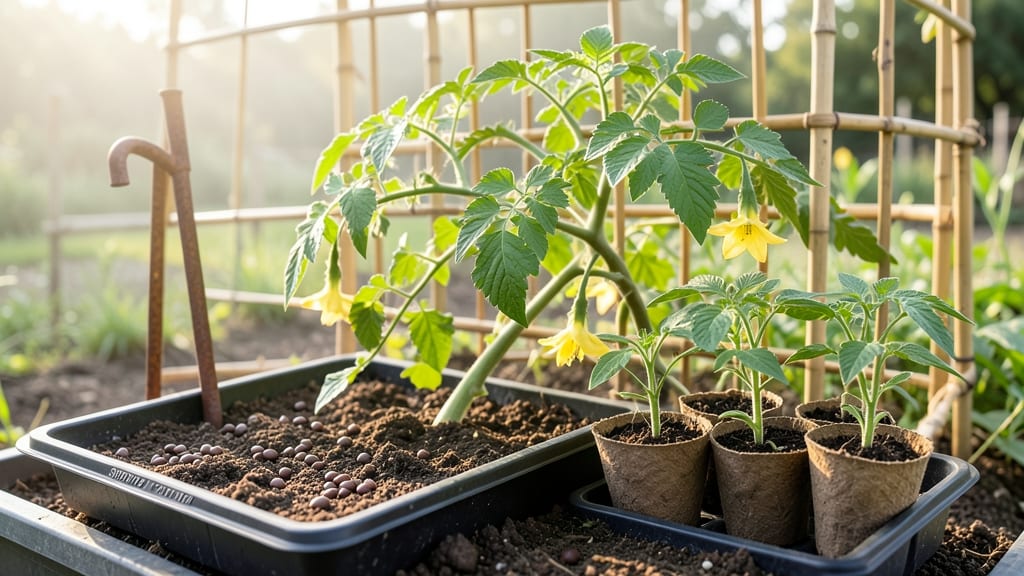
Hybrid cherry tomato seeds are the secret weapon behind those bursting clusters of sweet, bite-sized tomatoes that make summer salads unforgettable. 🌱 I’ve grown heirlooms and hybrids for years, but these little seeds changed the game—they germinate faster, resist disease better, and produce pounds of tomatoes in just one season.
The trick isn’t just planting; it’s understanding their quirks from day one, whether you’re starting indoors or direct-sowing in warm soil.
You’ll need 3-4 weeks before your last frost to get seedlings strong enough to transplant, plus a sunny spot that gets at least 6-8 hours of light daily.
Most hybrids like ‘Sweet 100’ or ‘Super Sweet 100’ thrive in well-draining soil mixed with compost—no fancy amendments, just good, crumbly dirt. The real magic happens when you balance warmth, moisture, and patience; these seeds won’t tolerate soggy soil or cold drafts.
By midsummer, you’ll be harvesting hundreds of tomatoes weekly, each one packed with that explosive sweetness that store-bought can’t match. The plants stay compact, so they’re perfect for containers or small spaces, and their disease resistance means fewer losses to blight or pests.
Prune regularly to keep them bushy, and watch as vines sag under the weight of fruit.
Whether you’re a first-timer or a seasoned grower, these seeds deliver reliable results—no black thumb required. The key is consistency: keep soil moist (not wet), feed lightly when flowers appear, and protect young plants from late frosts.
Before you know it, you’ll be sharing baskets of tomatoes with neighbors who’ll beg for your secrets.
📚 In This Guide
- What you need
- Instructions
- Tips and common mistakes
- Wrapping up and next steps
What you need
- ● Hybrid cherry tomato seeds: 5–10 seeds (choose disease-resistant varieties like 'Sweet 100' or 'Sun Gold' for best results).
- ● Seed-starting trays or pots: 2–4" deep with drainage holes (biodegradable options work too!).
- ● Seed-starting mix: Lightweight, sterile potting soil (avoid garden soil—it’s too dense!).
- ● Grow lights or sunny windowsill: 6–8 hours of light daily (LED grow lights are ideal for indoor starts).
- ● Misting bottle or spray nozzle: For gentle watering (no drowning seeds!).
- ● Plastic wrap or humidity dome: To retain moisture while seeds germinate.
- ○ Heat mat (optional but helpful): 70–80°F range to speed up germination.
- ● Fertilizer (balanced, water-soluble): 10-10-10 or 5-10-10 (dilute to half-strength for seedlings).
- ● Seedling labels: To track varieties (especially if growing multiple types!).
- ● Fungicide (like neem oil or copper spray): Prevents damping-off disease in humid conditions.
- ● Transplanting pots (3–4" size): For hardening off seedlings before outdoor planting.
- ● pH testing kit: Keep soil pH between 6.0–6.8 for optimal nutrient uptake.
- ● Trellis or cages: Supports vines as plants grow (cherry tomatoes love to climb!).
Step-by-step instructions for germinating hybrid cherry tomato seeds
Here's how I get 95%+ germination with hybrid cherry tomato seeds—every time.
🌱 Step 1: Pre-Treat Seeds for Faster Germination
Soak hybrid cherry tomato seeds in lukewarm water for 12 hours before planting. This softens the seed coat and speeds up germination by 2-3 days. Use a small bowl and cover with a damp paper towel to keep them moist. You'll see the seeds plump up noticeably—this means they're ready to plant.
After soaking, gently blot seeds dry with a clean paper towel. This prevents them from sticking together when you handle them. I like to plant them within an hour of drying to maintain moisture sensitivity. The goal is to keep the seed coat damp but not soggy—too much water can cause rot before germination even begins.
💧 Step 2: Prepare Containers and Soil Mix
Fill 2-3 inch deep seed-starting trays with a sterile seed-starting mix—never garden soil, which can harbor diseases. Press the mix down lightly until it's firm but not compacted. The surface should be level, not mounded, to prevent uneven watering.
Create small ¼ inch deep dimples in the soil with your finger—just enough to cradle each seed. Plant 2-3 seeds per cell (you'll thin later) at this depth. Cover lightly with a fine sprinkle of additional mix. The key here is gentle placement—burying too deep slows germination, while too shallow exposes seeds to drying out.
☀️ Step 3: Provide Warmth and Humidity
Cover the trays with a clear plastic dome or plastic wrap to retain 90% humidity and warmth. Place them on a seedling heat mat set to 75-85°F—this mimics the warm soil conditions they'd experience outdoors in spring. Without heat, germination can take 10-14 days instead of the 5-7 days I achieve with this setup.
Check daily but avoid lifting the dome—condensation inside is perfect for germination. If you notice mold forming, remove the dome immediately and let the tray air out for 30 minutes before replacing it. The first true leaves will appear 7-10 days after planting, signaling it's time to remove the dome permanently.
✂️ Step 4: Thin Seedlings and Provide Light
Once seedlings develop 2-3 true leaves (the first set are cotyledons), thin to the strongest plant per cell. Use small scissors to snip unwanted stems at soil level—pulling risks disturbing roots. Keep the remaining seedling's soil moist but never soggy; water from the bottom to encourage strong root development.
Move seedlings under grow lights or to a south-facing window within 4 inches of the light source. Without sufficient light, seedlings stretch toward the window (leggy growth) and become weak. Rotate trays quarter-turn daily so plants grow straight. You'll know light is perfect when seedlings have dark green, compact leaves spaced 1 inch apart.
🌿 Step 5: Harden Off and Transplant
Two weeks before your last frost date, begin hardening off seedlings by placing them outside in partial shade for 1-2 hours the first day. Gradually increase exposure by 1 hour daily over 10-14 days, ending with full sun. This toughens stems and prevents shock when transplanted.
Transplant after 4-6 weeks when seedlings are 6-8 inches tall with 4-5 true leaves. Bury stems ½ inch deeper than they were in the tray—this encourages root growth along the buried stem. Water deeply at the base immediately after transplanting to settle soil and reduce stress.
Tips & tricks for perfect hybrid cherry tomato germination
These little-known secrets will help you achieve that 95%+ germination rate consistently—no more wasted seeds or weak starts.
Soaking Science: The 12-hour soak in lukewarm water is non-negotiable for hybrid seeds—they have tougher coats than heirlooms. Use distilled water if your tap water is chlorinated, as chlorine can inhibit germination. I place my bowl in a sink with running water during the soak to maintain consistent temperature, which prevents uneven plumping. After blotting dry, I store seeds in a small paper envelope until planting to keep them from drying out completely.
Temperature Control: That 75-85°F range on your seedling heat mat is crucial—any lower and germination slows dramatically. I've found that placing the tray on top of the fridge (not inside) creates the perfect warm spot when you don't have a heat mat. For extra insurance, I wrap the bottom of the tray with a thin towel to help maintain even warmth distribution. The condensation inside the dome isn't just humidity—it's visual proof your setup is working right.
Lighting Strategy: When moving seedlings to grow lights, I position them just 3 inches away initially rather than the full 4 inches—this gives them a stronger start before gradually increasing distance. For windowsill growers, I rotate trays every 8 hours instead of quarter-turns to compensate for uneven light distribution. Watch for seedlings leaning toward the light source; if you see this, it's time to either move them closer to the light or supplement with a grow bulb.
Transplant Timing: The 4-6 week window for transplanting is flexible based on your climate. I check for those 4-5 true leaves and 6-8 inch height, but I also verify root strength by gently tugging on seedlings—if they resist with a good rootball, they're ready. For cooler climates, I transplant slightly earlier (closer to 4 weeks) and use row covers to protect young plants from late frosts.
Pro Tips for Hybrid Cherry Tomato Seeds
- These little-known secrets will help you achieve that 95%+ germination rate consistently—no more wasted seeds or weak starts.
- Soaking Science: The 12-hour soak in lukewarm water is non-negotiable for hybrid seeds—they have tougher coats than heirlooms.
- Temperature Control: That 75-85°F range on your seedling heat mat is crucial—any lower and germination slows dramatically.
Frequently asked questions
Got questions about growing hybrid cherry tomato seeds? You’re not alone! Here are answers to the most common queries to help you grow a thriving harvest with confidence.
What’s the best time to plant hybrid cherry tomato seeds indoors?
Start seeds 6–8 weeks before your last expected frost date. Hybrid cherry tomatoes thrive with warmth—aim for a soil temp of 70–85°F (21–29°C). Use grow lights if natural light is limited, and keep seedlings cozy until they’re ready for transplanting. Pro tip: A heating mat can speed up germination!
How deep should I plant hybrid cherry tomato seeds?
Plant seeds ¼ inch (0.6 cm) deep in moist, well-draining soil. Press gently to ensure good soil contact, but avoid compacting. Overwatering can cause seeds to rot, so keep the soil damp (not soggy) until sprouts appear. Hot tip: Use a spray bottle for precision!
Can hybrid cherry tomato seeds be saved for next year?
Technically, yes—but hybrid seeds won’t breed true to the parent plant. For consistent results, buy fresh seeds yearly. If you’re curious, try saving seeds for fun (they may produce unexpected varieties!), but expect variability in size, shape, or flavor. Fun fact: Heirloom seeds are better for saving!
Why aren’t my hybrid cherry tomato seeds germinating?
Common culprits: cold soil, old seeds, or overwatering. Ensure soil stays warm (use a heat mat if needed), plant seeds fresh (within 1–2 years), and avoid soggy conditions. If seeds are viable but slow, try a paper towel germination test to check viability. Troubleshoot: Test a few seeds in a damp paper towel—sprouts in 5–7 days = good!
What’s the fastest way to get hybrid cherry tomatoes to fruit?
Boost production with these tricks:
- Prune aggressively to focus energy on fruit (remove suckers weekly).
- Use balanced fertilizer (10-10-10) when flowers appear.
- Provide 10+ hours of sunlight daily (supplement with grow lights if needed).
- Hand-pollinate morning-glory flowers with a paintbrush if bees are scarce.
Wrapping up and next steps
Growing hybrid cherry tomato seeds can be incredibly rewarding—with the right tricks, you’ll enjoy a bountiful harvest of sweet, juicy tomatoes straight from your garden! 🌱 From selecting the best seeds to mastering germination techniques, every step counts toward success.
Now that you’re armed with these proven tips, it’s time to get your hands dirty and turn your garden dreams into reality.
Ready to start? Plant your seeds today and watch your hybrid cherry tomatoes thrive—your future harvest is just a few sprouts away! 🍅✨