
Vegetables
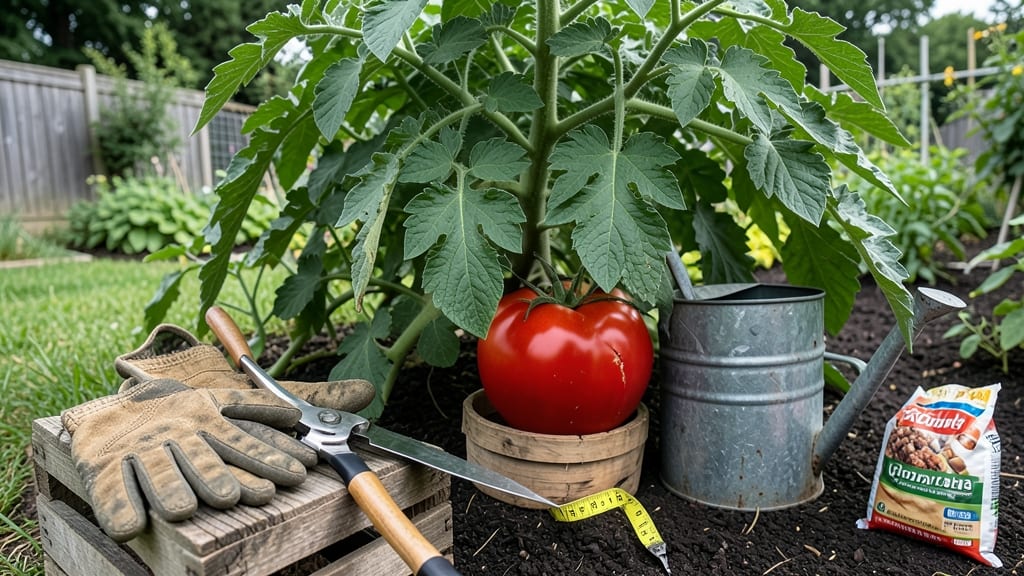
The largest tomato ever grown weighed 8.61 pounds (3.9 kg), a giant beefsteak variety named 'Giant Arizona' grown by Steve Judd in 1989. This record-holding tomato grew to nearly 2 feet in diameter and remains the official Guinness World Record holder for heaviest single tomato.
The 'Giant Arizona' tomato wasn't just a fluke—it was the result of years of selective breeding and precise growing conditions. 🌱 Judd's approach combined hybrid genetics with controlled environments, including greenhouse temperature regulation and specialized fertilizers.
What's fascinating is how these massive tomatoes require careful hand-pollination and sturdy support systems to prevent fruit rot or breakage. For home gardeners aiming for oversized tomatoes, focusing on nutrient-rich soil and consistent moisture proves just as critical as the right seed variety.
This record-setter wasn't just big—it was a game-changer for tomato enthusiasts worldwide. 💫 The 'Giant Arizona' variety's success inspired other growers to push boundaries, leading to modern giant tomato varieties that now regularly exceed 5 pounds in home gardens.
What makes this achievement even more impressive is that the tomato's size didn't compromise its flavor—many report a rich, beefsteak-like taste despite its enormous proportions.
💡 In This Article
- How Giant Tomatoes Like 'Giant Arizona' Are Cultivated
- Breaking Tomato Size Records: Varieties and Growing Tips
How giant tomatoes like 'Giant Arizona' are cultivated
Growing a tomato the size of 'Giant Arizona' requires more than just planting seeds—it demands a combination of genetic selection and precise horticultural techniques. The variety itself is a hybrid developed specifically for extreme size, combining traits from beefsteak tomatoes with disease-resistant genetics.
Judd's record-breaking specimen was nurtured in a controlled greenhouse environment where temperatures were maintained between 70-85°F—ideal for maximizing fruit development without stressing the plant.
The key to such massive growth lies in the plant's pollination process. Unlike smaller tomatoes that self-pollinate naturally, giant varieties often require manual cross-pollination between flowers using a small brush or cotton swab.
This ensures optimal fertilization and prevents uneven fruit development. 🌱 The soil used was a nutrient-rich blend with high potassium and phosphorus levels, essential for fruit expansion, while the pH was carefully balanced between 6.0-6.8 to maximize nutrient uptake.
Judd also employed a specialized pruning technique, removing side shoots to direct the plant's energy toward fewer, larger fruits rather than producing many smaller ones.
Support structures play a critical role in preventing fruit rot and breakage. The 'Giant Arizona' tomato was cradled in a custom-built basket weave support system that gently held the fruit as it grew.
Without proper support, the weight of the tomato could cause the stem to snap or the fruit to develop rot from sitting too close to the ground.
The irrigation system delivered consistent moisture without waterlogging, as excessive water can dilute soil nutrients and encourage fungal growth, both of which would hinder the tomato's development.
What's often overlooked is the role of light management. Judd used supplemental grow lights during shorter daylight hours to maintain 14-16 hours of light per day, mimicking the long summer days that tomatoes thrive in.
This extended light exposure boosts photosynthesis, providing the energy needed for such rapid and extensive growth. The combination of these controlled conditions created the perfect environment for the tomato to reach its record-breaking proportions.
Another critical factor was the timing of fertilization. Judd applied a balanced fertilizer every 2-3 weeks during the growing season, with a gradual increase in nitrogen early on to promote foliage growth, followed by higher phosphorus and potassium ratios as the fruit began to develop.
This phased approach prevented nutrient imbalances that could lead to stunted growth or poor fruit quality. The result was a tomato that not only achieved massive size but also maintained a dense, flavorful flesh despite its enormous scale.
For home gardeners, replicating these conditions is challenging but not impossible. Starting with a proven giant variety like 'Giant Arizona' or 'Beefmaster' provides a genetic foundation, while maintaining consistent soil moisture, proper pruning, and adequate support can yield tomatoes weighing 3-5 pounds—a remarkable achievement for backyard growers.
The key takeaway is that patience and precision in these horticultural practices are what transform ordinary tomatoes into giants.