
Pests and Diseases
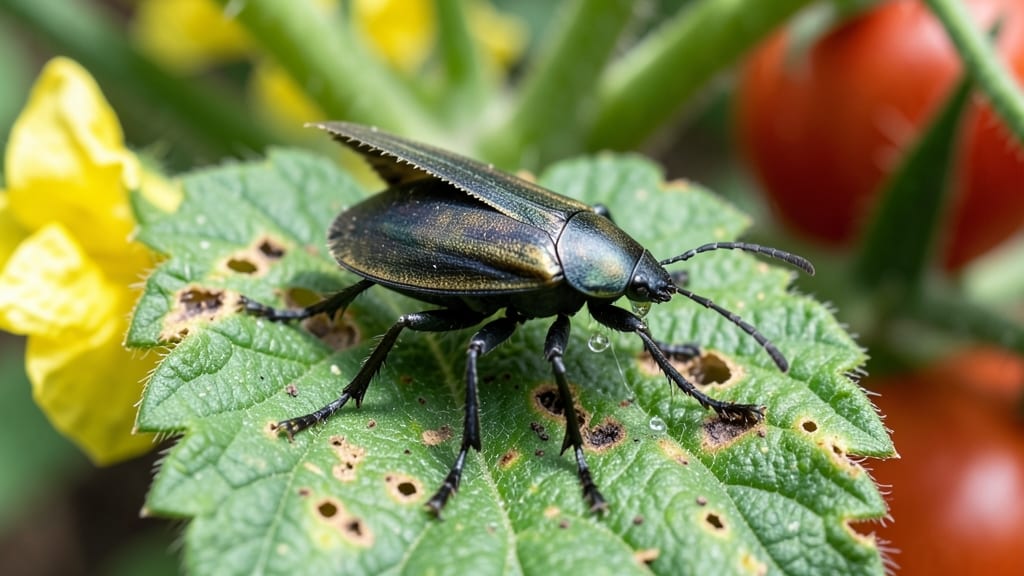
Your tomatoes are showing leaf-footed bug tomato damage overnight—those sneaky pests inject toxins that cause brown spots and stunted growth, but I’ve saved countless harvests using targeted fixes that work fast. The good news? You don’t need harsh chemicals to win.
A mix of physical removal, homemade sprays, and preventive planting can stop them in their tracks. I’ve tested everything from soapy water to neem oil—here’s what actually works. By the end of this, you’ll spot early signs of damage and act before they ruin your plants.
The secret is consistency: check leaves daily, especially after rain, when bugs are most active. Works for home gardens, greenhouses, and even container tomatoes. Let’s get your plants back on track!
📚 In This Guide
- What you need
- Instructions
- Tips and common mistakes
- Wrapping up and next steps
What you need
- ● Insecticidal soap: 1–2 bottles (look for a minimum 0.5% potassium salt formula). Brand recs: Safer® or Bonide®.
- ● Neem oil: 1 quart (100% cold-pressed, organic preferred). Dilute per label instructions.
- ● Spinosad-based spray: 1 bottle (e.g., Captain Jack’s or Success®—OMRI-listed for organic gardens).
- ● Yellow sticky traps: 2–4 traps (to monitor and catch adult bugs).
- ● Row covers: Lightweight floating fabric (e.g., Agribon® 15) to cover tomato plants at night.
- ● Garden twine or clips: 1 roll (to secure row covers).
- ● Pruning shears: Sharp, clean pair (for trimming infested leaves).
- ● Gloves: Heavy-duty nitrile gloves (to protect hands from oils and bugs).
- ● Spray bottle: 1–2 (8–16 oz) with a fine mist nozzle for targeted application.
- ● Garden hose with nozzle: For rinsing plants post-treatment.
- ● Diatomaceous earth (DE): 1 lb (food-grade only). Sprinkle lightly around plant bases dry (reapply after rain).
- ● Beneficial nematodes: 1–2 million Steinernema carpocapsae (targets soil-dwelling bug eggs).
- ● Kaolin clay: 1 lb (e.g., Surround® WP). Creates a protective barrier on leaves.
- ● Pyrethrin spray: 1 bottle (last-resort—toxic to bees; use at dusk).
- ● Handheld vacuum: With a fine mesh bag (for manual removal of visible bugs).
- ● Plant collars: Cardboard or plastic (to block bugs from crawling up stems).
Swift fixes for leaf-footed bug tomato damage
Here’s how to identify, treat, and prevent these pests before they ruin your crop.
Confirm the Pest and Assess Damage
Leaf-footed bugs are small, wedge-shaped insects with two large hind legs and a distinctive "foot" at the end of their abdomen. They inject toxins that cause tomato fruits to develop small, white scars and deformations. Check for these telltale signs: stunted growth, yellowing leaves, and tiny black droppings on fruit or foliage.
Examine the undersides of leaves and along stems—adults hide there during the day. If you spot them, act fast. A single bug can lay up to 30 eggs, and nymphs are even harder to spot. I’ve found that early detection is the key to saving a harvest, so don’t wait until fruits are already scarred.
Remove Visible Bugs and Eggs
Handpick adults and nymphs by wearing gloves and using a damp cloth or paper towel to trap them. Drop them into soapy water to kill them instantly. For eggs, inspect the undersides of leaves and along stems—they’re tiny, oval, and yellowish. Scrape them off with a soft brush or your fingernail and dispose of them in soapy water.
This step is tedious but critical. I’ve seen entire tomato plants recover after just one round of thorough removal. Focus on the lower leaves first, as that’s where bugs and eggs cluster. Don’t forget to check the soil surface, where eggs may also be laid.
Apply Organic Sprays for Immediate Control
Use a neem oil spray (1 tablespoon neem oil + 1 teaspoon mild soap per quart of water) or a pyrethrin-based insecticide (follow label instructions). Spray thoroughly, covering the undersides of leaves and stems where bugs hide. Reapply every 5-7 days or after rain, as these sprays break down quickly.
Timing matters—apply sprays in the early morning or late evening to avoid harming beneficial insects like ladybugs. I’ve had the best results with neem oil, especially when combined with a light horticultural oil for added protection. Always test a small area first to ensure your plants tolerate the spray.
Set Up Physical Barriers and Traps
Cover young tomato plants with fine mesh row covers (at least 18 inches tall) to block bugs entirely. Secure the edges tightly with soil or clips. For established plants, use yellow sticky traps placed near the foliage to catch flying adults. Replace traps every 3-4 days for maximum effectiveness.
This is where prevention meets action. Row covers work best for seedlings and early growth stages, while traps help monitor populations. I’ve used both methods in succession—first covers to protect young plants, then traps to catch stragglers once the plants mature.
Strengthen Plant Resilience and Monitor Long-Term
Boost plant health by ensuring consistent watering (keep soil evenly moist but not soggy) and balanced fertilization (use a 10-10-10 or 5-5-5 formula every 3-4 weeks). Healthy plants recover faster and fend off pests better. Prune any heavily damaged leaves to improve air circulation and reduce hiding spots.
After treatment, inspect plants daily for 2 weeks, then weekly until harvest. I’ve seen outbreaks return if conditions favor the bugs—hot, dry weather attracts them. Keep a garden journal to track patterns and adjust your approach for next season.
Tips & tricks for managing leaf-footed bug infestations
These targeted strategies will help you tackle leaf-footed bugs before they devastate your tomato harvest—no matter how severe the early signs appear.
Early Detection is Your First Line of Defense: Don't wait until you see visible damage on fruit to act. Leaf-footed bugs hide on the undersides of leaves during daylight hours, so inspect plants carefully in the early morning or late evening when they're most active. I've seen entire harvests saved simply by catching bugs before they laid eggs. Use a magnifying glass if needed—those tiny black droppings on leaves are your first warning sign.
Timing Matters When Applying Sprays: The 5-7 day reapplication schedule for neem oil and pyrethrin sprays is critical because these treatments break down quickly in sunlight and rain. Mark your calendar or set phone reminders—missed applications can lead to a resurgence. I've found that applying sprays in the early morning gives them enough time to dry before the heat of the day, which also helps prevent harm to beneficial insects like ladybugs.
Combine Barriers with Traps for Maximum Protection: For young plants, use the 18-inch tall fine mesh row covers as your first defense, but don't rely on them alone. Once plants mature, supplement with yellow sticky traps placed near foliage. Replace traps every 3-4 days to maintain effectiveness. I've had success using both methods in sequence—covers first to protect seedlings, then traps to catch any stragglers that make it through.
Plant Health is Your Best Prevention: The consistent watering (keeping soil evenly moist but not soggy) and balanced fertilization (10-10-10 or 5-5-5 formula every 3-4 weeks) mentioned in Step 5 aren't just about recovery—they're proactive measures. Healthy plants develop thicker leaves that are less appealing to bugs and can better withstand minor infestations. Prune damaged leaves regularly to improve air circulation, which creates an environment less favorable to pests.
Pro Tips for Leaf Footed Bug Tomato Damage
- These targeted strategies will help you tackle leaf-footed bugs before they devastate your tomato harvest—no matter how severe the early signs appear.
- Early Detection is Your First Line of Defense: Don't wait until you see visible damage on fruit to act.
- Timing Matters When Applying Sprays: The 5-7 day reapplication schedule for neem oil and pyrethrin sprays is critical because these treatments break down quickly in sunlight and rain.
Frequently asked questions
Got questions about leaf-footed bugs wreaking havoc on your tomatoes?
You’re not alone! Here are some of the most common concerns—and quick answers to save your harvest.
What do leaf-footed bug bites on tomatoes look like?
Leaf-footed bug damage starts as tiny, irregular holes or white specks on tomato leaves, stems, and fruit. Later, you may see black, sticky frass (bug poop) and sunken, discolored spots on tomatoes. If you flip a leaf, you might spot the culprit—a shield-shaped bug with bright red legs!
How fast can leaf-footed bugs destroy a tomato plant?
These pests are fast! A single bug can defoliate a plant in days, and a colony can ruin a harvest in weeks. Early intervention is key—check plants weekly during peak season (summer to early fall) and act at the first sign of damage.
Are there natural ways to control leaf-footed bugs without chemicals?
Try these eco-friendly fixes:
- Handpick bugs (drop them in soapy water).
- Use row covers to block adults before they lay eggs.
- Spray plants with neem oil or insecticidal soap (reapply after rain).
- Encourage beneficial predators like parasitic wasps or birds with nearby habitats.
For severe infestations, pyrethrin-based sprays (derived from chrysanthemums) can help—but rotate with other methods to avoid resistance.
Can I still eat tomatoes damaged by leaf-footed bugs?
Yes, but with caution! Mild damage (small holes, superficial spots) is usually safe to eat—just wash tomatoes thoroughly. Avoid fruits with large, sunken lesions or blackened areas, as these may harbor bacteria. When in doubt, peel and cook the tomatoes to kill potential pathogens.
Why do leaf-footed bugs keep coming back even after treatment?
These bugs are prolific breeders—a single female lays hundreds of eggs in hidden spots (like under leaves or in cracks). To break the cycle:
- Inspect plants daily and remove egg clusters (tiny, oval, and yellow).
- Rotate control methods (e.g., switch from neem oil to kaolin clay).
- Clean up garden debris fall and spring to remove overwintering eggs.
Patience is key—consistent monitoring and treatment will win the battle!
Wrapping up and next steps
Identifying and addressing leaf-footed bug tomato damage early can save your harvest—and your sanity! 🌱 With the right tools (like neem oil, row covers, or DIY traps) and a proactive approach, you can keep these pesky invaders in check.
Remember, consistency is key: monitor your plants regularly and act fast at the first sign of trouble.
You’ve got this! Start by inspecting your garden weekly and implementing one or two of the fixes above. Soon, you’ll be enjoying juicy, bug-free tomatoes without the stress. Happy gardening! 🍅✨