
Planting
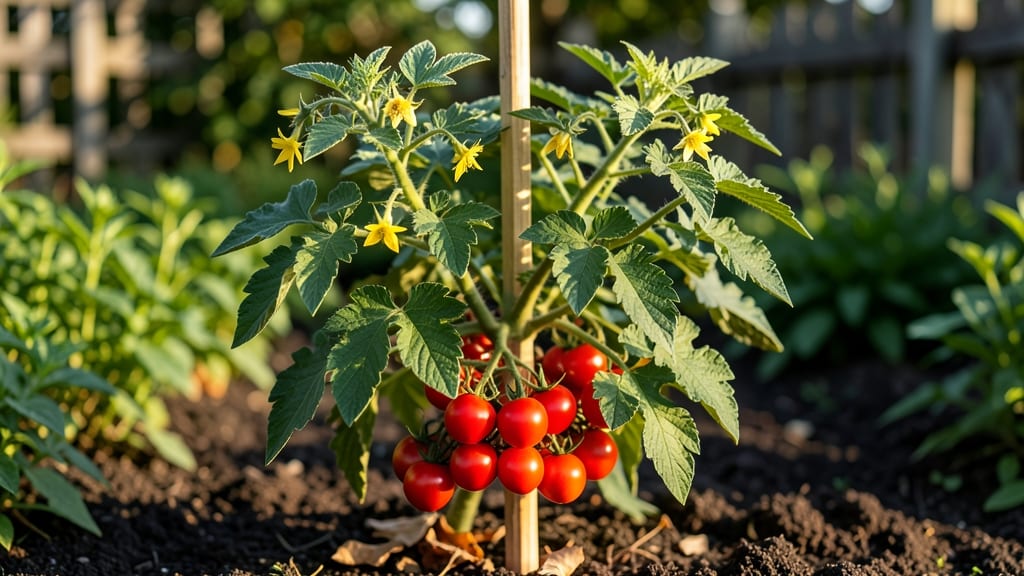
Matt’s Wild Cherry Tomato plant delivers sunburst flavors in a space-saving package. 🌱 I’ve grown this heirloom for three seasons now, and its sweet, tangy cherries outshine any store-bought tomato—plus, it thrives in pots, hanging baskets, or small garden corners where bigger varieties fail.
This compact vine tops out at 3-4 feet, making it perfect for balconies or windowsills. It loves 6+ hours of sunlight daily and well-draining soil—just mix in compost before planting. Water consistently but avoid soggy roots, and you’ll get hundreds of 1-inch fruits per plant by midsummer.
Prune regularly to encourage bushier growth, and watch for hornworms (they adore these tomatoes too). The real magic? Those deep red-orange cherries burst with smoky-sweet flavor—ideal for snacking, salads, or preserving. Even my black thumb can’t kill these.
Works in containers or ground, and its early maturity means harvests start in 55-60 days. For bigger yields, try a cage or trellis—just don’t let it sprawl. Here’s how to keep it thriving all season.
📚 In This Guide
- What you need
- Instructions
- Tips and common mistakes
- Wrapping up and next steps
What you need
- ● Matt’s Wild Cherry Tomato Seeds or Seedlings: 1–2 plants (or 4–6 seeds if starting from scratch)
- ● Look for Solanum lycopersicum ‘Matt’s Wild Cherry’ (compact, disease-resistant, and sweet!)
- ● Containers or Garden Plot: Containers: 5-gallon pots or larger (at least 12–18 inches deep)
- ● Garden Plot: Well-draining soil in a sunny spot (6+ hours of sunlight daily)
- ● High-Quality Potting Mix: 1–2 bags (sterile, well-draining mix with compost or worm castings)
- ● Fertilizer: Balanced organic fertilizer (10-10-10 or tomato-specific blend)
- ● Slow-release granules or liquid feed (follow package instructions)
- ● Support System: Cage, trellis, or stakes (3–4 feet tall for compact vines)
- ● Pruning shears (for trimming suckers)
- ● Garden trowel or transplanting spade
- ● Mulch (straw or shredded leaves to retain moisture)
- ● pH testing kit (ideal soil pH: 6.0–6.8)
- ● Drip irrigation or watering can (for consistent moisture)
Step-by-Step instructions for cultivating matt's Wild Cherry tomato
Here’s how to coax those sweet, compact cherry tomatoes into thriving vines—even in tight spaces.
🌱 Step 1: Start Seeds Indoors 6-8 Weeks Before Last Frost
Fill 2-3 inch deep seed-starting trays with moistened seed-starting mix, pressing it down lightly so the surface is firm but not compacted. Plant 1-2 seeds per cell at a depth of ¼ inch, then cover with a fine layer of soil. Mist gently until the surface is damp but not soggy.
Place the tray under a grow light or in a warm, bright spot—75-85°F is ideal for germination. Use a humidity dome or plastic wrap to retain moisture, but remove it once seedlings emerge to prevent damping-off. You’ll see sprouts in 7-14 days—watch for the first true leaves to appear before thinning to the strongest seedling per cell.
☀️ Step 2: Provide Strong Light and Fertilize Early
Once seedlings have 2-3 sets of true leaves, move them under 14-16 hours of grow light daily, keeping the light 2-4 inches above the plants. Without enough light, seedlings stretch and weaken—you’ll know they’re getting enough when they’re stocky with dark green leaves and 1-inch spacing between leaf nodes.
After 2 weeks, fertilize with a diluted balanced liquid fertilizer (10-10-10) at half-strength. Matt’s Wild Cherry thrives with regular feeding—switch to a tomato-specific fertilizer (5-10-10) once flowers appear. Water at the base to avoid wetting leaves, which can spread disease.
🪴 Step 3: Transplant After Last Frost When Soil Warms
Wait until nighttime temperatures stay above 55°F and the soil is at least 60°F before moving plants outdoors. Harden off seedlings by placing them in a sheltered spot for 1 hour daily, gradually increasing exposure over 7-10 days. Choose a location with 6-8 hours of full sun—Matt’s Wild Cherry produces sweeter fruit with more sunlight.
Dig a hole twice as wide as the root ball but no deeper, then loosen the soil around the edges to encourage root spread. Space plants 18-24 inches apart in rows 2 feet apart to allow airflow. Bury the stem slightly deeper than in the pot to promote stability. Water deeply after transplanting to settle the soil.
✂️ Step 4: Prune and Support for Compact Growth
Matt’s Wild Cherry grows determinately, meaning it stays compact without aggressive pruning, but removing suckers (shoots in the leaf axils) improves airflow and fruit production. Pinch off suckers when they’re 2-3 inches long—this redirects energy to fruit development. You’ll see fewer but sweeter cherries if you keep the plant open and airy.
Install a small tomato cage or stake at transplanting to support the plant as it grows. Gently tie the main stem to the support with soft plant ties, adjusting as the vine thickens. Avoid over-pruning—this variety thrives with minimal intervention, so focus on removing only diseased or crossing stems.
🍅 Step 5: Harvest and Encourage Continuous Production
Start harvesting when fruits reach ½ inch in diameter—they ripen quickly and sweeten more when picked at peak color. Pick regularly to encourage new blooms; overripe cherries on the vine can deter flowering. Use pruning shears for clean cuts, and harvest in the morning when sugars are highest.
After the first flush of fruit, feed with a low-nitrogen fertilizer (5-10-10) to support flowering and fruiting. Mulch with 2-3 inches of organic mulch to retain moisture and suppress weeds. If frost threatens, pick remaining green fruit and ripen indoors—it’ll develop full sweetness even off the vine.
Tips & tricks for perfect matt's Wild Cherry tomato cultivation
Here's what nobody tells you about growing these sweet, compact vines that'll make your small-space garden shine.
Lighting Strategy: That 14-16 hours of daily grow light in Step 2 is non-negotiable for stocky seedlings. I use a simple LED grow light on a timer—position it just 2-3 inches above the plants and adjust weekly as they grow. The key is keeping it close enough to prevent leggy, weak stems that'll never support those sweet cherries. If you notice seedlings stretching toward the light with long spaces between leaves, you're not providing enough intensity.
Temperature Nuances: The 75-85°F range for germination in Step 1 might seem broad, but it's critical—below 70°F and germination slows dramatically. I've used a seedling heat mat under my trays to maintain consistent warmth, especially in cooler basements. Once sprouts appear, remove the humidity dome immediately to prevent damping-off disease, which can wipe out your seedlings overnight. Watch for those first true leaves—they're your signal to start thinning.
Transplanting Timing: That 7-10 day hardening off period in Step 3 is where most beginners rush and regret it. Start with just 1 hour daily in a sheltered spot, then gradually increase exposure. I've seen plants shocked by sudden full sun exposure wilt dramatically—this gradual process toughens them up. And remember, nighttime temperatures must stay above 55°F consistently before transplanting, even if daytime temps feel warm enough.
Pruning Precision: When removing those 2-3 inch suckers in Step 4, use your fingernail to gently pinch them off at the base—don't tear the stem. I've found that removing suckers when they're just 1 inch long actually works better than waiting for 2-3 inches, as it gives the plant more time to redirect energy. The goal is to maintain an open center that allows sunlight to reach lower leaves, which keeps producing fruit throughout the season.
Pro Tips for Matt'S Wild Cherry Tomato Plant
- Here's what nobody tells you about growing these sweet, compact vines that'll make your small-space garden shine.
- Lighting Strategy: That 14-16 hours of daily grow light in Step 2 is non-negotiable for stocky seedlings. I use a sim...
- Temperature Nuances: The 75-85°F range for germination in Step 1 might seem broad, but it's critical—below 70°F and g...
Frequently asked questions
Got questions about growing Matt’s Wild cherry tomatoes?
You’re not alone! Here are some of the most common queries—plus quick, practical answers to help your tiny vine thrive.
How fast does Matt’s Wild cherry tomato plant grow?
This compact variety grows quickly—expect seedlings to reach 12–18 inches in their first 6–8 weeks! With warm soil and consistent water, you’ll see fruit in as little as 55–65 days from transplanting. Pro tip: Use a cage or trellis early to guide vines and prevent sprawling.
When is the best time to plant Matt’s Wild cherry tomatoes?
Start seeds indoors 6–8 weeks before your last frost date (use a heat mat for faster germination). Transplant outdoors only after soil temps hit 55°F+—cherry tomatoes hate cold and may rot. In warm climates, plant in early spring or fall to avoid summer heat stress.
Why aren’t my Matt’s Wild tomatoes ripening?
Blame heat, water stress, or poor pollination. If temps exceed 90°F, set up shade cloth to protect vines. Hand-pollinate by gently shaking plants (or use a small brush to transfer pollen). Check for:
- Underwatering (soil should stay consistently moist, not soggy).
- Nutrient deficiency (add balanced fertilizer every 3–4 weeks).
- Pests (aphids/slugs can stress plants—use neem oil if needed).
Can I grow Matt’s Wild cherry tomatoes in containers?
Absolutely! This variety thrives in 5-gallon pots or larger (depth matters more than width). Use a well-draining mix with compost, and place containers in full sun (6+ hours/day). Pro tip: Add a time-release fertilizer at planting for steady nutrients. Bonus: Containers make it easy to move plants if weather turns chilly.
How do I harvest and store Matt’s Wild cherry tomatoes?
Pick tomatoes when they’re fully colored and slightly soft to the touch (usually bright red, orange, or yellow). Use scissors or pruners to avoid damaging vines. Store at room temp for 2–3 days or refrigerate (up to 1 week) for longer shelf life. Freeze extras by blanching first for best texture.
What’s a good alternative if Matt’s Wild doesn’t work for me?
Try these compact, high-yielding cherry tomato varieties:
- Tiny Tim – Dwarf, bush-type, great for pots.
- Patio Princess – Determinate, heavy producer.
- Balcony Red – Disease-resistant, sweet flavor.
- Micro Tom – Fastest (50 days to fruit!) but smaller.
Wrapping up and next steps
Growing Matt’s Wild Cherry tomato plant is a rewarding way to bring vibrant, sweet flavors to your small-space garden—whether you’re a beginner or a seasoned green thumb! 🌱 These compact vines thrive with minimal fuss, offering big rewards in just a few months.
Now that you’re armed with the right tips and tricks, why not plant one this weekend? Start with a single pot or tuck it into your balcony garden, and enjoy the joy of harvesting your own homegrown tomatoes. Happy gardening!