
Planting
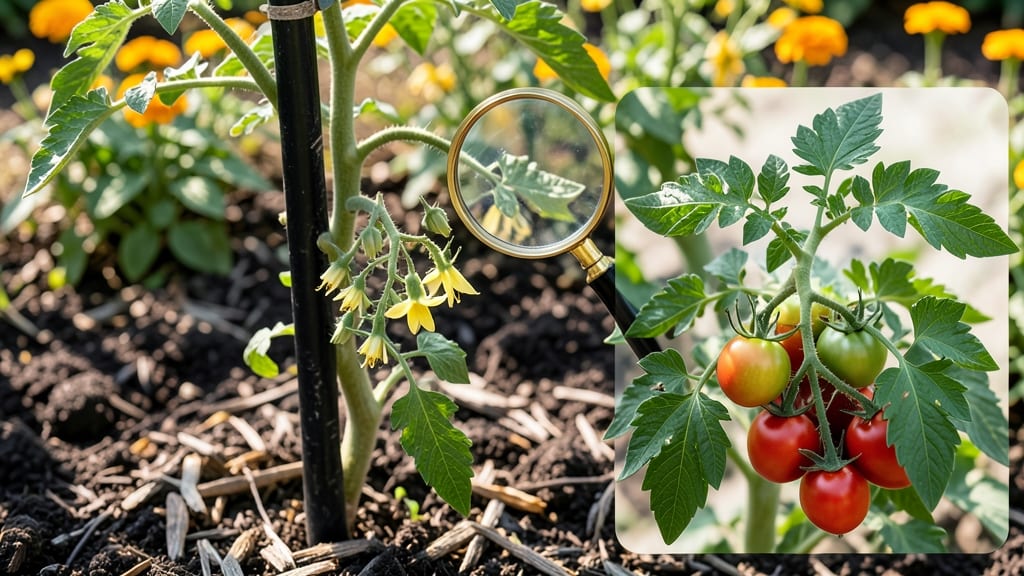
Your tomato plant is covered in blossoms but still shows no tomatoes on the tomato plant? 🌱 That’s happened to me three summers in a row—until I learned the real reason behind blossom drop.
Most gardeners assume it’s a pollination problem, but the truth is often simpler (and fixable) than you’d think.
The culprit is usually one of three things: temperature stress (too hot or cold), overwatering (drowning roots), or nutrient imbalance (too much nitrogen, not enough phosphorus). Even with perfect pollination, your plant won’t hold onto fruit if it’s fighting for survival.
The good news? Adjusting just one of these fixes can turn a barren plant into a fruit factory.
Start by checking your watering schedule—tomatoes hate soggy feet. Then, add a balanced fertilizer (5-10-10) to encourage flowering. If the weather’s extreme, provide afternoon shade or mulch to stabilize soil temps. Within 10-14 days, you’ll see fruit set where there was none before.
This method works for indeterminate and determinate varieties, whether you’re growing in pots or the ground. The key is patience—once you correct the root cause, your plant will reward you with heavy, consistent harvests all season. Let’s get those tomatoes growing!
Root Causes Behind Missing Tomatoes
Understanding why your tomato plant isn’t producing fruit starts with identifying the hidden triggers that sabotage blossom development. While some issues are obvious—like pests or poor sunlight—others lurk beneath the surface, quietly stealing your harvest.
Let’s break down the science-backed reasons your plant is dropping flowers before they turn into juicy tomatoes.
Tomatoes rely on pollinators (like bees, wind, or even gentle human intervention) to transfer pollen from the male anthers to the female pistil. Without this step, flowers wilt and drop before setting fruit.
- Why it happens:
- Lack of pollinators: If your garden is isolated or bees are scarce (common in urban areas or during early spring/late fall), pollen transfer fails.
- Overcast or rainy weather: Humidity >70% can prevent pollen from drying and sticking to the pistil.
- Self-pollinating varieties struggling: Even "self-pollinating" tomatoes (like cherry varieties) need a little help if conditions are too damp or still.
- Actionable fix:
- Hand-pollinate by gently shaking plants or using a small brush to transfer pollen between flowers.
- Plant pollinator-friendly flowers (like marigolds or basil) nearby to attract bees.
- Avoid overhead watering before pollination to keep flowers dry.
Tomatoes are sensitive divas—they’ll drop blossoms if they feel threatened by extreme conditions. Stress triggers hormonal shifts that prioritize survival over fruit production.
- Why it happens: - Temperature swings: Tomatoes thrive at 70–85°F (21–29°C). Below 55°F (13°C) or above 90°F (32°C), they shut down pollination. - Drought or overwatering: Both disrupt nutrient uptake.
Roots struggling to absorb water or oxygen send distress signals to the plant. - Transplant shock: Moving mature plants (even with care) can cause a 3–7 day "recovery mode" where flowers drop.
- Actionable fix:
- Mulch heavily to stabilize soil temperature and retain moisture.
- Water deeply but infrequently (1–2 inches per week) to avoid stress spikes.
- Use shade cloth in peak summer to protect from heat stress.
Tomatoes are nutrient hogs—they demand a precise balance of nitrogen (N), phosphorus (P), and potassium (K). Too much of one, too little of another, and your plant will abort blossoms to conserve energy.
- Why it happens: - Excess nitrogen (N): Lush green leaves but no flowers? Your plant is growing foliage instead of fruit. Common with fresh manure or over-fertilizing. - Phosphorus (P) deficiency: Flowers form but drop immediately—a sign the plant can’t support fruit development.
Soil tests often reveal low P in sandy or acidic soils. - Potassium (K) shortage: Weak stems and poor fruit set occur when K levels dip. Critical for pollination and fruit maturation.
- Actionable fix:
- Switch to a bloom-boosting fertilizer (like 5-10-10 or tomato-specific formula) once flowers appear.
- Side-dress with compost or bone meal (high in P) at planting and mid-season.
- Avoid synthetic fertilizers high in N (like lawn fertilizer) after flowering begins.
Some invaders chew blossoms, while others infect the plant, forcing it to redirect energy away from fruit production.
- Why it happens:
- Blossom end rot (BER): Caused by calcium deficiency (often from uneven watering), this disease turns flowers black and mushy before they can set fruit.
- Aphids or spider mites: These sap-suckers distort flowers and prevent pollen from forming.
- Fungal infections (early blight, powdery mildew): Stress from disease forces the plant to sacrifice flowers to fight survival.
- Actionable fix:
- Prevent BER with calcium-rich amendments (crushed eggshells, gypsum) and consistent watering.
- Spray neem oil or introduce ladybugs to control aphids/mites.
- Prune infected leaves immediately and apply copper fungicide at the first sign of mildew.
Ironically, aggressive gardening practices can backfire by confusing your tomato plant into thinking it’s not ready to fruit.
- Why it happens:
- Late nitrogen spikes: Adding fresh fertilizer after flowers appear triggers new leaf growth instead of fruit development.
- Heavy pruning: Removing too many suckers or leaves reduces photosynthesis, starving blossoms of energy.
- Root disturbance: Over-tilling or aggressive staking can damage feeder roots, limiting nutrient uptake.
- Actionable fix:
- Stop fertilizing once flowers form—switch to compost tea for gentle nutrients.
- Prune minimally: Remove only suckers larger than a pencil and leave lower leaves for energy.
- Use cage supports instead of staking to avoid root trauma.
Some varieties are prone to blossom drop due to their breeding or growth habits.
- Why it happens:
- Determinate varieties: These bush tomatoes set all their fruit at once, often overwhelming the plant if conditions aren’t perfect.
- Hybrid sensitivities: Some F1 hybrids (like early-season varieties) are more prone to stress-related drop if not pollinated quickly.
- Indeterminate sprawl: If vines grow too long without support, energy is wasted on foliage instead of fruit.
- Actionable fix:
- Choose heat-tolerant or disease-resistant varieties (like ‘Solar Fire’ or ‘Mountain Merit’) if your climate is extreme.
- Space plants properly (18–24 inches apart) to reduce competition.
- Use dwarf or determinate types in containers if your season is short.
Fixing Blossom Drop Problems
When your tomato plant refuses to produce fruit despite beautiful blossoms, the first step is identifying the root cause—whether it’s environmental stress, pollination issues, or nutrient imbalances. Below are practical, step-by-step solutions tailored to each common trigger, along with prevention tips to keep your plants thriving and loaded with tomatoes.
Cause: Extreme heat (above 90°F/32°C) or sudden temperature swings cause blossoms to drop before setting fruit.
How to Fix It:
- 🌿 Provide Shade Cloth: Install 30-50% shade cloth over plants during peak afternoon heat (12 PM–4 PM). This cools the plant without blocking light entirely.
- 💦 Increase Watering Frequency: Water deeply 2–3 times per week (morning is best) to keep soil consistently moist but not soggy. Mulch with straw or grass clippings to retain moisture.
- 🌱 Adjust Planting Timing: In hot climates, opt for heat-tolerant varieties like ‘Heatmaster’ or ‘Solar Fire’ and plant earlier in spring or later in summer to avoid the worst heat waves.
- 🌬️ Improve Airflow: Space plants 18–24 inches apart and prune lower leaves to reduce humidity around blossoms, which can worsen heat stress.
Prevention Tip: 💡 Monitor your local heat advisories and plan for temporary shade solutions during forecasted heatwaves.
Cause: Poor pollination (from wind, bees, or human interference) leads to dropped blossoms.
How to Fix It:
- 🐝 Attract Pollinators: Plant bee-friendly flowers (like marigolds, basil, or borage) near your tomatoes. Avoid pesticides—especially neonicotinoids—which harm bees.
- 👨🍳 Hand-Pollinate: On cloudy or windless days, gently shake plants or use a small paintbrush to transfer pollen from one blossom to another.
- 🌬️ Improve Air Circulation: Use a small fan on low speed near plants to mimic wind pollination. Aim for 3–5 minutes daily during blossom time (morning is ideal).
- 🌱 Choose Self-Pollinating Varieties: If bees are scarce, select determinate tomato types (like ‘Roma’ or ‘Celebrity’) that produce fruit more reliably without cross-pollination.
Prevention Tip: ✨ Plant tomatoes near aromatic herbs (like thyme or oregano) to naturally attract more pollinators.
Cause: Overwatering, underwatering, or nutrient deficiencies (especially calcium or boron) cause blossom end rot or drop.
How to Fix It:
- 💧 Adjust Watering Routine:
- Underwatering? Water slowly at the base (avoid wetting leaves) until moisture reaches 6 inches deep. Use a moisture meter to check soil levels.
- Overwatering? Let the top 1–2 inches of soil dry out between waterings. Improve drainage by amending soil with compost or perlite.
- 🌱 Boost Calcium & Boron:
- Crushed eggshells (baked & ground) or calcium nitrate (1 tbsp/gallon of water) can prevent blossom end rot.
- For boron deficiency, use borax (1/4 tsp/gallon) sparingly (too much is toxic).
- 🍽️ Balance Fertilizer Use:
- Stop high-nitrogen fertilizers (like lawn fertilizer) during flowering/fruiting—they promote leaves over fruit.
- Switch to a low-nitrogen, high-phosphorus fertilizer (e.g., 5-10-10) to support flowering.
Prevention Tip: 🌡️ Test your soil every 2–3 years to check for deficiencies. Adjust amendments based on results.
Cause: Root-bound plants, pests (like aphids or whiteflies), or fungal diseases stress the plant, leading to dropped blossoms.
How to Fix It:
- 🌱 Repot or Prune Roots: If roots are circling in containers, transplant into a larger pot (1–2 inches bigger in diameter) with fresh potting mix.
- 🐜 Control Pests Naturally:
- Aphids/Whiteflies: Spray with neem oil or soapy water (1 tsp mild soap + 1 quart water).
- Hornworms: Handpick them (they’re easy to spot!) or introduce parasitic wasps (like Cotesia congregata).
- 🍄 Prevent Fungal Issues:
- Space plants properly (18–24 inches apart) for airflow.
- Avoid overhead watering—use a drip irrigation system instead.
- Remove diseased leaves immediately and disinfect pruners with rubbing alcohol.
Prevention Tip: 🔥 Rotate crops annually to prevent soil-borne diseases from building up.
For All Causes:
- 🍅 Prune Wisely: Remove suckers (side shoots) to redirect energy to fruit production, but leave 3–5 main stems for support.
- 🪴 Support Heavy Plants: Use cages or stakes to prevent stress from drooping branches.
- 🌿 Rotate Varieties: If one type fails, try different tomato varieties (e.g., switch from heirloom to hybrid for better reliability).
Final Pro Tip: 🎯 Keep a garden journal to track watering, fertilizing, and weather patterns. This helps you spot patterns and adjust next season!
Frequently asked questions
Why do my tomato flowers keep falling off before turning into fruit?
The most common reasons are temperature stress (above 90°F or below 55°F), poor pollination (no bees or wind), or nutrient imbalances (too much nitrogen, not enough phosphorus). Even with perfect flowers, your plant won’t hold fruit if it’s fighting survival. Check soil moisture and fertilizer ratios first!
Can I still save my tomato plant if it’s already dropped all its blossoms?
Yes! Focus on stabilizing conditions—adjust watering to 1-2 inches per week, switch to a low-nitrogen fertilizer (like 5-10-10), and protect from extreme heat with shade cloth. New flowers should appear within 7-10 days if the plant isn’t severely stressed.
How do I know if my tomato plant needs more phosphorus for fruiting?
Look for these signs: dark green leaves with purple stems, small or no flowers, or blossoms that drop immediately. Test your soil—if phosphorus levels are low (20 ppm), add bone meal or a phosphorus-rich fertilizer. Avoid high-nitrogen options during flowering!
Will hand-pollinating my tomato flowers actually work?
On cloudy or windless days, gently shake the plant or use a small paintbrush to transfer pollen between flowers. Do this in the morning when blossoms are dry. This works especially well for cherry tomatoes or in urban gardens where bees are scarce.
Could my tomato plant be getting too much water?
Yes—overwatering causes root suffocation, preventing nutrient uptake. Check soil moisture by sticking your finger 1-2 inches deep. If it’s damp, reduce watering. Use well-draining soil with compost and water only when the top layer feels dry. Yellowing leaves or wilting despite wet soil are red flags!