
Companion Plants
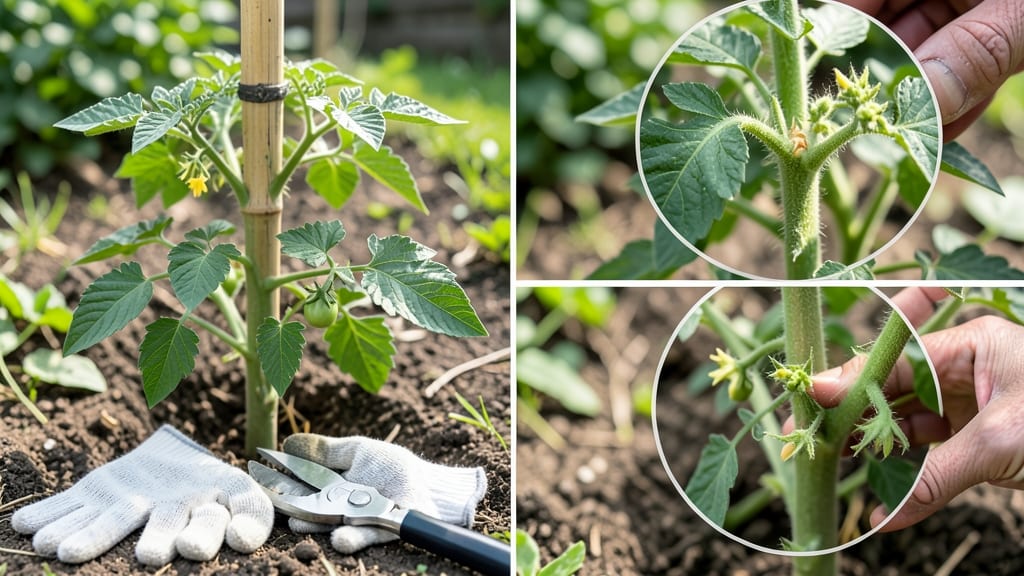
Pinching tomato plants transforms leggy seedlings into sturdy, fruit-loaded bushes. ✂️ I’ve watched my own plants go from scraggly to bursting with tomatoes just by removing a few leaves—here’s exactly how to do it right, when to stop, and which varieties respond best.
The goal is to redirect energy from leafy growth to fruit production by removing suckers (those little shoots between stems) when they’re 2-3 inches tall. Indeterminate tomatoes (like Roma or Beefsteak) benefit most, but even determinate varieties see stronger stems.
Timing matters: start when plants hit 12-18 inches tall, and avoid pinching after flowering begins.
You’ll end up with thicker stems, better airflow (fewer diseases), and more clusters of tomatoes than you’d get without pinching. The first harvest arrives just as confidently as the second, and your plants handle rain and wind like pros.
No fancy tools needed—just clean pruners and 10 minutes of focus every few weeks.
Works for container tomatoes too—just scale back the pruning to avoid over-stressing small plants. The key is consistency: skip a season, and you’ll miss out on the explosion of fruit that comes from proper pinching. Let’s get those plants shaped for success!
📚 In This Guide
- What you need
- Instructions
- Tips and common mistakes
- Wrapping up and next steps
What you need
- ● Tomato plants: Healthy, young seedlings or transplants (ages 2–4 weeks old, with at least 4–6 true leaves). Pro tip: 🌱 Choose indeterminate varieties (like 'Cherry Tomatoes' or 'Beefsteak') for best results!
- ● Clean, sharp scissors or pruning shears: Must be sterilized (rubbing alcohol or bleach dip) to prevent disease. Spec: Small-handled, 3–4" blades for precision.
- ○ Gloves (optional but recommended): Nitrile or cotton gloves to protect hands from thorns and dirt.
- ● Watering can or hose with a gentle nozzle: For post-pinching hydration. Spec: Aim for a fine mist to avoid disturbing the plant.
- ○ Garden twine or stakes (optional): If your plants need support after pinching (e.g., for heavy fruit loads). Spec: 3–4 ft bamboo stakes or soft twine.
- ● Plant growth regulator (e.g., seaweed extract): A diluted spray (1 tsp/gal water) to reduce stress post-pinching. Spec: Look for products with auxins.
- ● Compost or fertilizer: A balanced 10-10-10 or tomato-specific feed to replenish nutrients after pruning.
- ● Notebook or app (e.g., Gardenate): To track pinching dates and plant progress. Pro tip: ✨ Label plants with stakes if you’re experimenting with multiple varieties!
How to pinch tomato plants for maximum yield
Here’s the method I’ve used for years to transform leggy tomato plants into sturdy, fruit-loaded bushes.
🌿 Step 1: Identify the Right Time to Pinch
Wait until your tomato plant has 5-7 true leaves—those are the second set of leaves after the initial seed leaves. This usually happens 3-4 weeks after transplanting, depending on your variety and growing conditions. Pinching too early stunts growth; too late means you’re missing the critical window for bushier development.
Look for a healthy, upright stem with no signs of disease. The plant should feel firm when you gently squeeze the stem—soft or mushy spots mean it’s stressed and not ready. If your tomatoes are already flowering, pinch only the suckers (side shoots) and leave the main stem intact.
✂️ Step 2: Locate and Remove the Suckers
Suckers are the small shoots that grow in the V-shaped junction between the main stem and a branch. They appear above the first flower cluster and below the next set of leaves. Use your thumb and forefinger to gently pinch the sucker off at its base—don’t tear it, or you’ll damage the plant.
If the sucker is too tough to pinch by hand, use clean, sharp pruning shears to snip just above the leaf node. Avoid leaving a stub, as it can rot. I always sterilize my shears with rubbing alcohol between plants to prevent spreading disease. You’ll know you’re doing it right when the plant’s energy redirects to the remaining branches instead of the removed shoot.
🌱 Step 3: Encourage Bushier Growth by Pinching Strategically
After removing the first sucker, wait 1-2 weeks before checking for new ones. Repeat the process, always targeting suckers above the first flower cluster but below the next set of leaves. This ensures the plant puts energy into fruit production rather than vertical growth. For indeterminate varieties (like Roma or Beefsteak), keep pinching suckers throughout the season to maintain a compact shape.
For determinate varieties (like Bush Early Girl), you can stop pinching once the plant starts flowering heavily. These types naturally bush out and don’t need as much pruning. Watch for yellowing leaves or stunted growth—these are signs you’ve pinched too aggressively. A well-pinched plant will have thick stems, dark green leaves, and a balanced shape.
☀️ Step 4: Support and Maintain the Plant Post-Pinching
After pinching, increase watering slightly to help the plant recover. Water at the base of the plant in the morning to reduce fungal risks. Use a tomato cage or stakes to support the remaining branches, especially if you’ve removed multiple suckers. The plant will redirect energy to leaf and fruit production, so it may look temporarily stressed but will rebound within 10-14 days.
Fertilize with a balanced, low-nitrogen formula (like 10-10-10) to support new growth. Avoid high-nitrogen feeds, which encourage leafy growth at the expense of fruit. I like to add compost tea every 2 weeks to boost root health and resilience. Keep an eye out for new suckers—they’ll appear in the same V-shaped junctions, so stay vigilant until the plant starts flowering heavily.
⏰ Step 5: Monitor for Fruit Set and Adjust as Needed
Once flowers appear, reduce pinching to allow fruit to develop. Focus on removing only the largest suckers to balance growth and yield. If your plant starts dropping flowers, it may be stressed—check for underwatering, overwatering, or temperature swings. Tomatoes thrive in 70-85°F and consistent moisture. If nights dip below 55°F, use row covers to protect blossoms from cold.
The goal is a bushy plant with 3-4 main stems, each bearing multiple fruit clusters. You’ll know you’ve succeeded when your plant looks full and sturdy, not leggy, and when you’re harvesting more tomatoes than you can eat. Pinching isn’t just about looks—it’s about maximizing your harvest and keeping plants healthy through the season.
Tips & tricks for pinching tomato plants like a pro
Transforming leggy tomato plants into productive bushes isn't just about timing—it's about understanding the plant's growth patterns and responding to its needs. Here's what I've learned after years of trial and error in the garden.
Timing is Everything: The 3-4 week window after transplanting is your best opportunity to shape your tomato plants. This is when your plant has developed its first set of true leaves but hasn't yet committed to flowering. If you're working with indeterminate varieties like Roma or Beefsteak, keep pinching throughout the season to maintain that compact shape. For determinate types like Bush Early Girl, you can ease up once flowering begins since they naturally bush out on their own.
Visual Cues Over Guessing: When identifying suckers in Step 2, look for that classic V-shaped junction between the main stem and branch. The sucker should be located above the first flower cluster but below the next set of leaves. This positioning is crucial because it redirects energy to fruit production rather than vertical growth. If you're unsure, snap off a small piece of the sucker and observe the growth pattern—it should have the same leaf structure as the main plant.
Tool Selection Matters: While thumb and forefinger work perfectly for most suckers, don't be afraid to reach for clean pruning shears when needed. Sterilize your tools between plants with rubbing alcohol to prevent disease spread, which is especially important if you're working with multiple tomato varieties. The clean cut just above the leaf node ensures no stub remains that could rot. This might seem like a small detail, but it makes all the difference in plant recovery time.
Recovery Period is Critical: After pinching, give your plants that 10-14 day recovery window mentioned in Step 4. This is when the plant redirects its energy to the remaining branches. You'll notice the stems thickening and leaves becoming darker green as the plant adjusts. During this time, maintain consistent moisture—water at the base in the morning to prevent fungal issues. Think of it as giving your plant a spa day after the stress of pruning.
Pro Tips for Pinching Tomato Plants
- Transforming leggy tomato plants into productive bushes isn't just about timing—it's about understanding the plant's growth patterns and responding to its needs.
- Timing is Everything: The 3-4 week window after transplanting is your best opportunity to shape your tomato plants.
- Visual Cues Over Guessing: When identifying suckers in Step 2, look for that classic V-shaped junction between the main stem and branch.
Frequently asked questions
Got questions about pinching tomato plants? You’re not alone!
Here are the most common concerns—plus expert answers to help you grow like a pro.
When is the best time to pinch tomato plants?
Pinch your tomato plants when they’re young and healthy—typically 4–6 weeks after transplanting or when they reach 12–18 inches tall. For indeterminate varieties (like cherry tomatoes), keep pinching suckers (side shoots) throughout the growing season. Determinate tomatoes (bush types) usually don’t need pinching, but you can remove lower leaves for airflow.
How do I know which suckers to pinch?
Suckers grow in the V-shaped junction between the main stem and a branch. Look for small shoots in the axils (leaf joints)—these are the ones to remove. Leave suckers below the first flower cluster on indeterminate plants to encourage bushiness. Pro tip: Use clean, sharp scissors or your fingers to avoid damaging the plant!
Will pinching reduce my tomato harvest?
Not if done right! Pinching encourages stronger growth by redirecting energy to the main stem and fruit. However, over-pinching can stress the plant. Focus on removing only the suckers—never the main stem or flowers. Indeterminate tomatoes may take longer to fruit but produce more and larger tomatoes over time.
Can I pinch tomato plants too late in the season?
Late pinching (after flowering) can delay fruit production or stress the plant, especially in cooler climates. Aim to finish pinching by mid-summer (around 6–8 weeks before your first frost). If you miss the window, focus on pruning diseased leaves and supporting the plant instead.
What if my tomato plant looks sad after pinching?
Don’t panic! A little wilting is normal as the plant adjusts. To help recovery:
- Water deeply but avoid soggy soil.
- Fertilize with a balanced tomato feed (10-10-10 or compost tea).
- Provide morning sun and afternoon shade if temps exceed 90°F.
Wrapping up and next steps
Pinching tomato plants is a simple yet powerful technique to boost your harvest—thicker vines, more flowers, and bigger fruit are just a few rewards! Whether you’re a seasoned gardener or a curious beginner, this method takes minutes and pays off all season. 🌱✨
Ready to put your new skills to work? Grab your pruners, head to the garden, and give your tomato plants the care they deserve. Happy pinching—and even happier harvesting! 🍅🌿