
Pruning
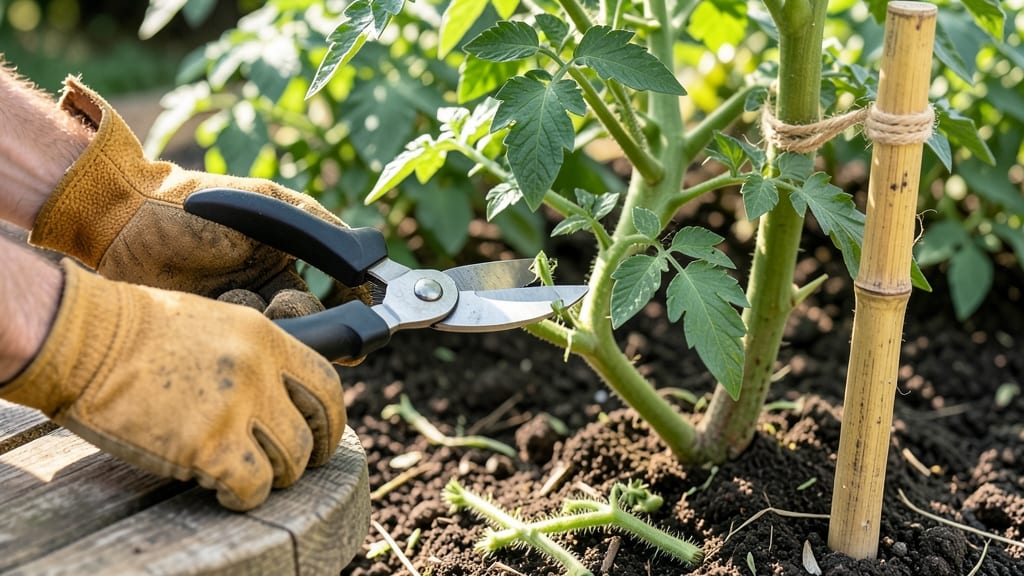
Watch prune tomato plants on YouTube and unlock the secret to year-round growth and harvests that make your neighbors jealous. 🌱 I’ve spent years perfecting this technique, and the difference in my plants is night-and-day: fewer diseases, bigger fruit, and vines that keep producing well into fall.
The key is knowing when and how—and trust me, it’s simpler than it looks.
You’ll need just a few basic tools: sharp pruning shears (dull blades tear stems), gloves (tomato sap is no joke), and a bucket for clippings.
The real magic happens in the timing: prune suckers (those little shoots between stems) weekly when they’re pencil-sized, and remove any yellow or diseased leaves immediately. Think of it like giving your plant a spa day—better airflow, more energy for fruit, and fewer pests.
By following these steps, you’ll end up with stronger stems, heavier fruit, and plants that keep growing even when others are done for the season. The first time I saw my tomatoes still producing in October, I knew I’d cracked the code.
And the best part? You can start pruning as soon as your plants hit 12 inches tall—no waiting, no guesswork.
Whether you’re a first-timer or a seasoned grower, these hacks work for determinate (bush) and indeterminate (vining) tomatoes. The only rule? Don’t overdo it—prune too much, and you’ll stunt growth. Now grab those shears, and let’s get those vines climbing!
📚 In This Guide
- What you need
- Instructions
- Tips and common mistakes
- Wrapping up and next steps
What you need
- ● Pruning shears or sharp bypass pruners – Choose sterilized, sharp shears (avoid dull tools that crush stems). A 5-inch to 7-inch blade works best for tomato plants.
- ● Gloves – Wear cut-resistant, breathable gloves (e.g., leather or heavy-duty gardening gloves) to protect your hands from thorns and dirt.
- ● Disinfectant (rubbing alcohol or bleach solution) – Mix 1 part bleach to 9 parts water to sterilize tools before and after pruning to prevent disease spread.
- ● Garden twine or soft plant ties – Use 1/8-inch to 1/4-inch wide twine (jute or plastic) to support stems after pruning.
- ○ Stakes or cages (optional but recommended) – 5- to 6-foot wooden stakes or cages (3-4 feet tall) for indeterminate varieties to guide growth.
- ● Compost or mulch – A 2- to 3-inch layer of organic mulch (straw, wood chips, or compost) to retain moisture and suppress weeds.
- ● Watering can or hose with a gentle spray nozzle – Keep plants hydrated, especially after pruning (1-2 gallons per plant if soil is dry).
- ● Hand lens or magnifying glass – Helps spot pests or diseases early.
- ○ Plant growth regulator (optional) – Products like seaweed extract or hydrogen peroxide (3%) can promote faster healing.
- ● Labeling tags – Mark pruned sections or varieties if you’re experimenting with different techniques.
- ● Sun hat and sunscreen – Because pruning sessions can turn into sunny-day gardening marathons!
Step-by-step guide to pruning tomato plants for maximum yield
Here’s the method I’ve used for years to keep tomato plants productive and healthy—no guesswork, just proven techniques.
✂️ Step 1: Identify and Remove Suckers Early
Suckers are the small shoots that grow in the crotch between the main stem and a branch. These compete with your fruit for energy, so pinching them out early keeps your plant focused on producing tomatoes. Start checking for suckers when your plant reaches 12-18 inches tall—that’s when they begin appearing.
Use clean, sharp pruning shears or your fingers to pinch suckers off just above the leaf where they emerge. If you leave even a tiny stub, it’ll grow back. I like to do this in the morning so any wounds have time to heal before evening moisture sets in. Avoid tearing the stem—this can invite disease.
☀️ Step 2: Prune for Airflow and Sun Exposure
Tomatoes need 6-8 hours of direct sunlight daily, and proper pruning ensures leaves aren’t blocking light from reaching the fruit. Once your plant has 3-4 main stems, focus on removing lower leaves that touch the soil. These are the first to rot from moisture and can harbor pests.
Trim leaves within 12 inches of the ground and any yellow or diseased foliage. You’ll also want to thin out crowded branches to improve airflow—this reduces humidity around the plant, cutting down on fungal issues like blight. Aim for 18-24 inches of space between branches so light and air can circulate freely.
🌱 Step 3: Support and Train the Main Stem
As your tomato plant grows, it’ll need support to keep stems upright and prevent breakage. Install a strong stake or cage early—3-4 feet tall for indeterminate varieties, 2-3 feet for determinate. Gently tie the main stem to the stake with soft plant ties or old fabric strips, leaving room to grow.
For indeterminate tomatoes, let 1-2 main stems grow vertically while pruning side shoots. For determinate varieties, you can prune more aggressively since they grow in a bushier form. The goal is to direct the plant’s energy into fruit production, not excessive foliage. You’ll know you’re doing it right when you see more flowers and fewer suckers.
⏰ Step 4: Maintain Through the Season
Pruning isn’t a one-time task—check your plants weekly for new suckers, especially after heavy rains or wind. In hot climates, prune more aggressively to reduce stress on the plant. In cooler areas, be gentler to encourage longer growth.
As fruit sets, focus on removing leaves above the lowest cluster of tomatoes. This improves airflow and sunlight to the developing fruit, which ripens faster and more evenly. Stop pruning 4-6 weeks before your first frost to let the plant harden off and mature its remaining fruit.
🌿 Step 5: Clean Up After Harvest
Once the growing season winds down, remove all remaining foliage and fruit that hasn’t ripened. This clears out potential disease sources and pests for next year. If you’re growing in containers, you can compost the pruned material—just avoid adding it to garden beds if disease was present.
Disinfect your pruning tools with rubbing alcohol or a 10% bleach solution to prevent spreading pathogens. Store tools in a dry place until next season. A little cleanup now means stronger, healthier plants—and bigger harvests—next year.
Tips & tricks for pruning tomato plants for maximum yield
Here's what nobody tells you about pruning—these are the details that separate a decent harvest from an absolutely stellar one.
Timing Secret: The morning after a light rain is the perfect time to prune. The plant's leaves will be slightly damp, making them easier to handle, and the humidity helps the wounds heal faster. I always prune between 8-10 AM when the plants are actively photosynthesizing—this minimizes stress on the plant.
Tool Technique: Never use dull shears—they crush stems instead of cleanly cutting. Invest in a pair of sharp bypass pruners (like Felco F-2) and always sterilize them between plants with rubbing alcohol. For suckers smaller than a pencil, your fingers work just fine—just pinch cleanly above the leaf node. The cleaner the cut, the faster the plant recovers.
Variety-Specific Strategy: Indeterminate varieties (like Roma or Beefsteak) need more aggressive pruning to maintain their vertical growth, while determinate types (like Celebrity or Bush Early Girl) can handle less. For indeterminates, aim to keep just 1-2 main stems—this directs all energy to fruit production. For determinates, focus on removing only the lowest leaves and any diseased foliage to maintain that bushy shape.
Seasonal Adjustments: In hot climates, prune more aggressively to reduce foliage and prevent heat stress. In cooler regions, be more conservative—too much pruning can delay fruit set. The key is always watching the plant's response: if it's producing more flowers than you can handle, you're doing it right. If it looks stressed (yellowing leaves, wilting), you've pruned too much.
Pro Tips for Prune Tomato Plants Youtube
- Here's what nobody tells you about pruning—these are the details that separate a decent harvest from an absolutely stellar one.
- Timing Secret: The morning after a light rain is the perfect time to prune.
- Tool Technique: Never use dull shears—they crush stems instead of cleanly cutting.
Frequently asked questions
Got questions about pruning tomato plants? You’re not alone! Here are some of the most common queries—plus quick, actionable answers to keep your plants thriving.
When is the best time to prune tomato plants?
Prune determinate tomatoes (bush varieties) minimally, only to remove diseased leaves. For indeterminate tomatoes (vining types), prune in the morning on warm, dry days. Start when plants are 12–18 inches tall and continue weekly, focusing on suckers (side shoots) and lower leaves. Avoid pruning during flowering or fruiting peaks to prevent stress.
How often should I prune my tomato plants?
For indeterminate tomatoes, aim for weekly pruning sessions during the growing season (spring to fall). Remove suckers (the small shoots in the leaf axils) as soon as they’re 2–3 inches long. Determinate tomatoes need little to no pruning—just snip off any yellow or diseased leaves. Pro tip: Use sharp pruners to avoid damaging stems!
Can I prune tomato plants in hot or cold weather?
Prune only when temperatures are mild (60–85°F). Avoid pruning in extreme heat (above 90°F) or cold (below 50°F), as it stresses plants and slows recovery. Early morning or late afternoon are ideal times. If you must prune in heat, do it lightly and water thoroughly afterward to help plants recover.
Will pruning reduce my tomato harvest?
Not if done correctly! Pruning indeterminate tomatoes actually boosts fruit size and yield by directing energy to fewer, larger tomatoes. Determinate varieties may see a slight reduction in total fruit count but produce bigger, healthier tomatoes. The key is balance—never remove more than 20–30% of the plant’s foliage at once.
What should I do with the pruned branches?
Remove pruned branches immediately to prevent pests or diseases from spreading. Toss them in the trash (not compost) if they show signs of disease. Healthy prunings can be chopped into mulch for garden beds or used as free fertilizer in compost piles. Just avoid piling them near your tomato plants!
What if my tomato plant looks stressed after pruning?
If leaves wilt or yellow post-pruning, your plant may be shocked. Act fast:
- Water deeply to rehydrate roots.
- Avoid fertilizing for 1–2 weeks to reduce stress.
- Provide shade if temperatures are high.
- Monitor for pests (like aphids) that thrive on stressed plants.
Wrapping up and next steps
Pruning your tomato plants is the secret sauce to bigger, healthier harvests—and with the right techniques, you’re well on your way! 🌱 Whether you’re a seasoned gardener or just starting, consistent care and a little patience will pay off in juicy, vine-ripened tomatoes all season long.
Now that you’re armed with the knowledge, grab those shears and get pruning!
Ready to take it further? Check out our YouTube channel for step-by-step video guides, or join gardening communities to swap tips with fellow green thumbs. Your next bountiful harvest starts with one snip at a time—happy gardening! 🍅✨