
Pests and Diseases
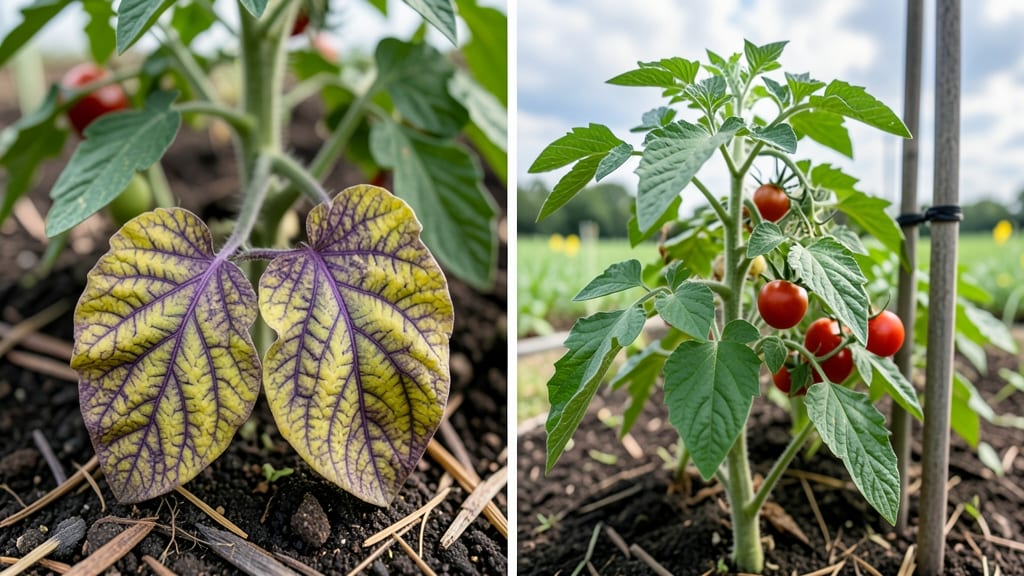
Purple veins on tomato leaves mean your plants are sending an SOS—whether from hidden viruses, nutrient starvation, or environmental stress. 🌱 I’ve seen this turn into a full-blown crisis when ignored, but with the right diagnosis, you can often save the harvest (and your sanity).
The first step is figuring out if it’s phosphorus deficiency, a viral infection, or something else entirely.
Most gardeners assume it’s always a disease, but phosphorus deficiency is the #1 culprit—especially in sandy soils. Look for dark purple stems and undersides of leaves too. If the veins are crisp and the plant looks stunted, it’s likely a nutrient issue.
But if the leaves yellow between veins or you see stunted growth, a virus might be lurking.
Here’s the good news: organic fixes work. For nutrient issues, switch to a balanced fertilizer (5-5-5) and add compost. For suspected viruses, remove infected plants immediately and sterilize tools. Prevention? Crop rotation, healthy soil, and keeping pests at bay—because many viruses hitch rides on aphids.
This isn’t just about saving a plant—it’s about protecting your entire garden. Once you spot the pattern, you’ll catch it early next time. Let’s get those tomatoes back to vibrant green in no time.
Understanding root causes
When your tomato plants start showing purple veins on their leaves, it’s usually a sign that something is disrupting their normal growth. These discolorations don’t happen by accident—they’re your plants’ way of signaling stress or infection.
Let’s break down the most common reasons behind this issue, so you can diagnose the problem accurately and take action.
Tomatoes are heavy feeders, and when their soil lacks essential nutrients, they may develop purple or reddish veins as a stress response. The most critical nutrient deficiencies linked to this issue include:
- Phosphorus Deficiency 🌱 - Why it happens: Phosphorus is vital for energy transfer and root development. When soil phosphorus levels drop, tomatoes may show purple veins, especially on younger leaves.
This often occurs in sandy or acidic soils where phosphorus binds tightly and becomes unavailable. - How to fix: Add bone meal or rock phosphate to the soil before planting. A soil test can confirm if phosphorus is the issue.
- Potassium Deficiency ⚡ - Why it happens: Potassium regulates water movement and disease resistance. A lack of it can cause purple or brown veins, particularly under heat stress or drought.
Overwatering or leaching nutrients from the soil can also deplete potassium levels. - How to fix: Use potassium sulfate or wood ash (sparingly) to replenish supplies. Avoid overwatering, as excess moisture washes away potassium.
- Magnesium Deficiency 💎 - Why it happens: Magnesium is a key component of chlorophyll. When levels drop, veins may turn purple or yellowish, while the leaf tissue between veins stays green.
This is common in highly acidic or over-fertilized soils. - How to fix: Apply Epsom salt (magnesium sulfate) as a foliar spray or soil drench (1 tablespoon per gallon of water). Test soil pH and aim for a range of 6.0–6.8.
If nutrient deficiencies are ruled out, viral infections like Tomato Leaf Curl Virus (ToLCV) or Tomato Yellow Leaf Curl Virus (TYLCV) could be the culprit.
These viruses are spread by insects (e.g., whiteflies) and cause: - Purple or reddish veins spreading across leaves - Cupped or distorted leaf growth - Stunted plant development
Why it happens:
- Viruses hijack the plant’s cellular machinery, disrupting nutrient transport and causing phyllody (flower-to-leaf transformation) and vein discoloration.
- Weakened or stressed plants are more susceptible to infection.
How to confirm:
- Look for whiteflies on the undersides of leaves.
- Check for yellowing or curling on new growth.
- Send a sample to a local agricultural extension office for testing.
How to manage:
- Remove infected plants immediately to prevent spread.
- Use reflective mulch or yellow sticky traps to deter whiteflies.
- Plant virus-resistant varieties (e.g., 'Solar Fire' or 'Mountain Merit' tomatoes).
Sometimes, the issue isn’t biological but environmental. Tomato plants are sensitive to extreme conditions, and stress from their surroundings can trigger vein discoloration.
- Temperature Fluctuations ❄️☀️ - Why it happens: Sudden drops below 50°F (10°C) or heatwaves above 90°F (32°C) can cause purple veins as a survival response.
Cold stress also disrupts nutrient uptake. - How to fix: - Use row covers for early-season protection. - Provide shade cloth (30–50%) during heatwaves. - Mulch heavily to regulate soil temperature.
- Water Stress (Over or Under) 💦🌧️
- Why it happens:
- Why it happens:
- Overwatering leads to root rot, which blocks nutrient absorption and turns veins purple.
- Water deeply 1–2 times per week (depending on climate), ensuring the top 1–2 inches of soil are dry before watering.
- Improve drainage with organic matter (compost) or raised beds.
Tomatoes need 6–8 hours of direct sunlight daily. - How to fix: - Prune nearby plants to increase airflow and light exposure. - Rotate containers if growing indoors to ensure even light distribution.
While less common than viruses, certain pathogens can also cause vein discoloration:
- Early Blight (Alternaria solani) 🍄 - Why it happens: This fungus thrives in humid, wet conditions and causes purple or brown concentric rings on leaves.
It clogs vascular tissue, disrupting nutrient flow. - How to fix: - Apply copper fungicide or a baking soda spray (1 tbsp baking soda + 1 tsp soap per gallon of water). - Space plants 18–24 inches apart for better airflow.
- Bacterial Wilt (Ralstonia solanacearum) 🦠 - Why it happens: This soil-borne bacterium blocks water transport, causing wilting and purple veins before the plant collapses.
It’s often spread via contaminated tools or infected plant debris. - How to fix: - Remove and destroy infected plants immediately. - Solarize soil in hot climates (cover with clear plastic for 4–6 weeks) to kill bacteria. - Avoid overhead watering to prevent splashing bacteria onto leaves.
Pro Tip: 💡 Keep a garden journal to track when symptoms appear, soil conditions, and weather patterns. This helps pinpoint whether the issue is nutritional, environmental, or pathological—saving time and guesswork!
Fixing Purple Veins Naturally
Now that you’ve identified the root cause of those unsightly purple veins on your tomato leaves—whether it’s a fungal infection, nutrient imbalance, or environmental stress—it’s time to take action!
Below are practical, organic solutions tailored to each issue, plus prevention tips to keep your plants thriving. Let’s get your tomatoes back to their vibrant, disease-free selves! 🌱💜
If your tomatoes are battling a fungal foe, act fast with these copper-free (or low-toxicity) remedies:
1. 🔥 Remove and Destroy Infected Leaves
- How: Snip off leaves with purple veins at the base (don’t toss them in compost—they’ll spread spores).
Use sterilized pruners (wipe with rubbing alcohol between cuts). - Pro Tip: 💡 Bag the infected leaves in a sealed plastic bag and freeze for 48 hours before disposal to kill spores.
2. 🍳 Homemade Copper Fungicide Spray (Safe & Effective)
- Ingredients:
- 1 tsp copper sulfate (or 1 tbsp baking soda + 1 tsp dish soap)
- 1 quart water
- 1 tbsp neem oil (optional, for extra antifungal power)
- How to Apply:
- Mix in a spray bottle and shake well before use.
- Spray undersides of leaves (where spores hide) and stems at dawn or dusk (avoids burning leaves in sunlight).
- Reapply every 7–10 days or after rain.
3. 🌡️ Improve Air Circulation & Reduce Moisture
- Fix: Space plants 18–24 inches apart and prune lower leaves to allow airflow.
- Prevent: Water early in the morning (so leaves dry by evening) and avoid overhead sprinkling.
4. 🎯 Soil Drench with Hydrogen Peroxide (3%)
- How: Mix 1 tbsp 3% hydrogen peroxide per gallon of water and pour directly into the soil around the base of the plant. Repeat weekly for 2 weeks.
Purple veins can signal a mineral imbalance—here’s how to correct it:
1. 💪 Magnesium Deficiency (Interveinal Chlorosis)
- Fix: Apply Epsom salt (magnesium sulfate):
- Method 1: Dissolve 1 tbsp Epsom salt per gallon of water and spray on leaves.
- Method 2: Work 1 cup Epsom salt into the soil around the plant base.
- Prevent: Test soil pH (ideal: 6.0–6.8)—magnesium absorbs better in slightly acidic soil.
2. ⚡ Potassium Deficiency (Weak Growth, Purple Edges)
- Fix: Use banana peel tea or wood ash:
- Banana Peel Tea: Simmer 2–3 peels in 4 cups water for 30 mins, cool, and water plants.
- Wood Ash: Sprinkle 1/4 cup per plant (avoid overuse—can raise pH too high).
- Prevent: Add compost or well-rotted manure to soil before planting.
3. 🥛 Calcium Deficiency (Blossom End Rot + Purple Veins)
- Fix: Boost calcium with:
- Crushed eggshells: Dry and grind shells, then mix into soil.
- Calcium nitrate: Follow package instructions for a foliar spray or soil drench.
- Prevent: Avoid overwatering (calcium leaches away in soggy soil) and mulch to retain moisture.
When purple veins stem from environmental factors, adjust your growing conditions:
1. 🔥 Heat Stress (Wilting + Purple Undersides)
- Fix:
- Shade cloth: Use 30–50% shade fabric during peak afternoon sun.
- Mulch: Apply 2–3 inches of straw or grass clippings to keep roots cool.
- Water deeply in the early morning (1–1.5 inches per week).
2. ❄️ Cold Stress (Purple Discoloration After Chill)
- Fix:
- Row covers: Use frost blankets for young plants or overnight protection.
- Avoid late planting: Wait until after the last frost date in your zone.
- Hardening off: Gradually acclimate seedlings to outdoor temps over 7–10 days.
3. 💧 Overwatering (Root Rot + Purple Spots)
- Fix:
- Check soil moisture: Stick your finger 1 inch deep—water only if dry.
- Improve drainage: Amend soil with perlite or coarse sand if it’s clay-heavy.
- Pot size matters: Use containers with drainage holes and avoid saucers that trap water.
Stop purple veins before they start with these proactive steps:
- 🌱 Rotate crops: Avoid planting tomatoes (or nightshades) in the same spot yearly—fungi and pests build up.
- 🍅 Start strong: Use disease-resistant varieties (e.g., ‘Mountain Merit’, ‘Celebrity’).
- 🔄 Feed regularly: Side-dress with compost or balanced organic fertilizer (10-10-10) every 4–6 weeks.
- 🕵️ Monitor daily: Check undersides of leaves weekly for early signs of purple veins or spots.
- 🌿 Companion plants: Interplant with basil, marigolds, or onions to deter pests and improve health.
Remember: Consistency is key! Some fixes (like nutrient adjustments) take 1–2 weeks to show results. If purple veins persist after 2 weeks, re-evaluate—it may be time for a soil test or a different approach. Happy growing! 🍅✨
Frequently asked questions
Are purple veins on tomato leaves always a sign of disease?
Not necessarily! While viral infections like Tomato Leaf Curl Virus can cause purple veins, nutrient deficiencies (especially phosphorus or potassium) are far more common culprits. Check for other symptoms: if leaves are small and dark purple, it's likely a nutrient issue. If you see curling or yellowing between veins, a virus may be the problem.
Can I still harvest tomatoes if the leaves have purple veins?
It depends on the cause. If the issue is nutrient-related, your tomatoes may still be safe to eat—just focus on fixing the soil. However, if it's a viral infection, remove infected plants immediately to prevent spread. Always wash tomatoes thoroughly before eating, regardless of leaf symptoms.
How can I tell if my tomato plants have phosphorus deficiency?
Look for these key signs: dark purple or reddish veins on younger leaves, stunted growth, and sometimes delayed flowering. The undersides of leaves may also show purple coloring. Test your soil—phosphorus deficiency is common in sandy soils where nutrients wash away quickly.
Will Epsom salt help if my tomato leaves have purple veins?
Only if the issue is magnesium deficiency. Mix 1 tablespoon Epsom salt per gallon of water and spray on leaves weekly. However, if the problem is phosphorus or potassium, Epsom salt won't help—you'll need bone meal or wood ash instead. Always test soil first!
Can I save my tomato plants if they have viral purple veins?
Unfortunately, no. Viral infections like Tomato Leaf Curl Virus have no cure. Remove infected plants immediately and sterilize your tools with rubbing alcohol. To prevent future outbreaks, use reflective mulch, plant virus-resistant varieties, and control whiteflies with yellow sticky traps.