
Vegetables
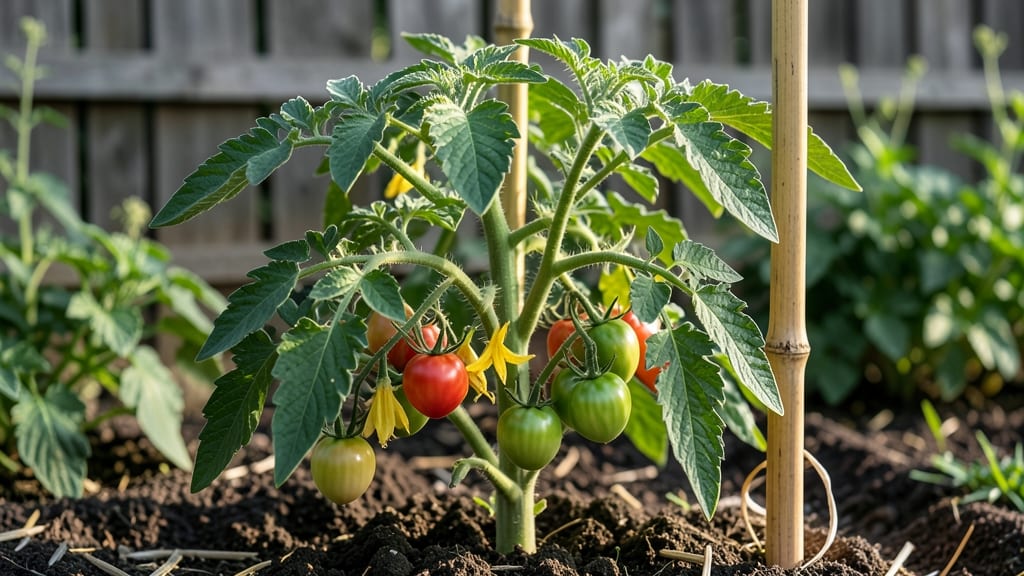
Your Roma tomato growth could be plump and ready for sauce by late summer—if you plant them at the right time. 🌱 I’ve grown Roma tomatoes for years, and the difference between a meager harvest and a bountiful one often comes down to timing.
The zero-frost timeline isn’t just about avoiding cold snaps; it’s about syncing growth with your climate so every plant thrives.
Start indoors 6-8 weeks before your last frost date—this gives seedlings a head start before transplanting. Roma tomatoes love warmth, so wait until nighttime temps stay above 55°F before moving them outside.
A well-draining soil mix with compost and a sunny spot (6+ hours of light daily) sets the stage for strong, productive vines. Prune suckers regularly to focus energy on fruit production, and stake or cage plants early to avoid flopping.
By mid-summer, you’ll see glossy, 2-inch fruits forming—each one packed with sweet, meaty flavor. With proper care, a single plant can yield 20+ pounds of tomatoes, perfect for canning, sauces, or fresh eating.
The key is consistency: water deeply 1-2 times per week, mulch to retain moisture, and watch for pests like hornworms or early blight.
Adjust your timeline based on your USDA zone—Zone 5 gardeners start earlier, while Zone 10 might plant directly in the ground by early spring. Whether you’re a first-timer or a seasoned grower, mastering this schedule turns Roma tomatoes from a gamble into a reliable, high-yield crop.
Let’s get those seeds going!
📚 In This Guide
- What you need
- Instructions
- Tips and common mistakes
- Wrapping up and next steps
What you need
- ● Roma tomato seeds or seedlings: Choose Solanum lycopersicum var. 'Roma' (plum tomatoes). Buy 4–6 plants for a family-sized harvest.
- ● Well-draining potting mix or garden soil: Aim for 10–20 lbs (or enough to fill containers if growing in pots). Amend garden soil with compost (2–3 lbs per sq ft) for fertility.
- ● Fertilizer: Balanced organic fertilizer (5-5-5 or 10-10-10): 1–2 lbs per 10 sq ft of garden bed.
- ○ Tomato-specific fertilizer (high in phosphorus/potassium): Optional but helpful for fruiting (1 lb per plant mid-season).
- ● Mulch: 2–3 inches of straw, wood chips, or black plastic to retain moisture and suppress weeds.
- ● Stakes or cages: 6–8 ft tall (tomatoes grow vertically!). Use 2–3 stakes per plant or 1–2 cages.
- ● Garden trowel or transplant spade (for digging holes).
- ● Watering can or hose with adjustable nozzle (deep watering is key!).
- ● Pruning shears (for removing suckers and dead leaves).
- ○ pH testing kit (optional but helpful—aim for 6.2–6.8).
- ● Gloves and knee pads (because gardening is hard work!).
- ● Frost-free timeline: Plant after the last frost date for your zone (check USDA Zone Map). Roma tomatoes hate cold!
- ● Sunlight: 6–8+ hours of full sun daily. No shade-loving here!
- ● Warm soil: Wait until soil temps reach 60°F (15°C) before planting.
- ● Space: 18–24 inches apart in rows 3 ft apart (or 12–18 inches in containers).
- ● Drip irrigation system (to keep leaves dry and prevent disease).
- ● Row covers or cloches (for early-season protection if frost lingers).
- ● Epsom salt (magnesium sulfate) (1 tbsp per plant every 2 weeks for greener leaves).
- ● Companion plants like basil or marigolds (to deter pests).
Step-by-step instructions for Roma tomato growth by USDA zone
Here's the foolproof timeline I use to grow Roma tomatoes from seed to harvest across any climate.
🌱 Step 1: Start Seeds Indoors 6-8 Weeks Before Last Frost
Plant Roma tomato seeds in 2-3 inch deep containers filled with sterile seed-starting mix. The key is timing—shoot for 6-8 weeks before your last frost date (check your USDA zone). I like to mark my calendar with the target transplant date, then count backward. Roma seeds germinate best at 75-85°F, so use a heat mat if your home runs cooler.
Sow seeds ¼ inch deep—any deeper and they'll struggle to reach light. Cover lightly with mix, then mist until evenly damp. Place containers in a warm, dark spot until sprouts appear (7-14 days). Once seedlings emerge, move them to bright light immediately—without this, they'll stretch weakly toward any available light source.
☀️ Step 2: Harden Off Seedlings 2 Weeks Before Transplanting
Two weeks before your last frost date, begin hardening off seedlings by placing them outside in a sheltered spot for 1-2 hours the first day. Gradually increase exposure by 1 hour daily until they can handle a full day outside. Roma tomatoes are sensitive to cold, so I always wait until nighttime temperatures stay above 50°F—any colder and you risk stunted growth or even plant death.
Watch for signs of stress like wilting or yellowing leaves. If you see this, extend the hardening period by another day. The goal is to toughen stems and leaves so they can handle wind, sun, and temperature swings once planted. I like to do this in the morning so plants have time to recover if afternoon heat arrives unexpectedly.
🪴 Step 3: Transplant After All Frost Risk Has Passed
Plant Roma tomatoes in full sun locations with well-draining soil, spacing them 24-36 inches apart in rows 3 feet apart. The soil temperature should be at least 60°F—use a soil thermometer if you're unsure. Dig holes slightly deeper than the root ball to encourage strong root development below the graft union (if using grafted plants). Roma tomatoes thrive in slightly acidic soil (pH 6.2-6.8), so test your soil and amend if needed.
Water deeply at planting to settle the soil around roots, then maintain 1-2 inches of water weekly (more in extreme heat). Mulch around plants with 2-3 inches of organic mulch to retain moisture and regulate soil temperature. The first true leaves will appear within 2-3 weeks after transplanting—this is your signal that roots have established.
✂️ Step 4: Prune and Support for Maximum Yield
Roma tomatoes benefit from pruning to direct energy into fruit production. Remove suckers (the small shoots that form in the leaf axils) regularly throughout the growing season. I prune mine when suckers reach 2-3 inches long—removing them earlier encourages more vigorous growth. Leave only the main stem and primary branches to maintain airflow and reduce disease risk.
Install sturdy cages or stakes at planting time—Roma tomatoes can grow 3-5 feet tall and need support to prevent sprawling. As plants grow, gently weave stems through the cage or tie them to stakes with soft plant ties. This prevents stem breakage from wind or fruit weight. Harvest fruits when they reach 2-3 inches long and turn deep red—waiting too long reduces flavor and makes them mealy.
Tips & tricks for thriving Roma tomatoes
These game-changing strategies will help you navigate the growing season like a pro, ensuring your Roma tomatoes reach their full potential from seed to harvest.
Heat Mat Hack: If your home stays below 75°F, invest in a seedling heat mat—it’s the difference between reliable germination and waiting weeks for stubborn seeds. I’ve seen germination rates jump from 50% to 90% just by keeping that soil at 80-85°F. Place your containers directly on the mat, and cover them with a clear plastic dome or plastic wrap to trap heat and humidity until sprouts appear.
Lighting Solution: Roma seedlings need 12-16 hours of light daily to prevent leggy growth, but most homes don’t get enough natural light. I use a simple LED grow light on a timer—just 12 inches above the seedlings—for 14 hours a day. If you’re short on space, a sunny windowsill works, but rotate containers daily so all sides get equal light exposure. The moment you see seedlings stretching toward the light, it’s time to intervene.
Harden Off Strategically: The 1-2 hour initial hardening period in Step 2 is your chance to test your seedlings’ readiness. Place them in a spot with morning sun and afternoon shade, then monitor closely. If leaves start curling or turning yellow after just 1 hour, they’re not ready—extend the process by 30 minutes daily instead of the full 1 hour increment. Remember, Roma tomatoes are tropical plants at heart; they’ll thank you for gradual acclimation.
Soil Temperature Secret: That 60°F soil temperature threshold in Step 3 isn’t just a number—it’s your green light to plant. Use a soil thermometer for 3 consecutive days to confirm consistency. If temps dip below 60°F at night, wait or use black plastic mulch to warm the soil 5-10°F. Pro tip: Plant in the afternoon when soil has absorbed daytime heat—your tomatoes will establish roots faster.
Pro Tips for Roma Tomato Growth
- These game-changing strategies will help you navigate the growing season like a pro, ensuring your Roma tomatoes reach their full potential from seed to harvest.
- Heat Mat Hack: If your home stays below 75°F, invest in a seedling heat mat—it’s the difference between reliable germination and waiting weeks for stubborn seeds.
- Lighting Solution: Roma seedlings need 12-16 hours of light daily to prevent leggy growth, but most homes don’t get enough natural light.
Frequently asked questions
Got questions about growing Roma tomatoes? You’re not alone! Here’s a quick rundown of the most common concerns—plus expert tips to keep your plants thriving.
How long does it take for Roma tomatoes to grow from seed?
Roma tomatoes typically take 60–85 days to mature from seed, depending on your USDA zone and growing conditions. Start seeds indoors 6–8 weeks before your last frost date for a head start. In warmer zones (like 9–11), you can direct-sow seeds 2–3 weeks after frost risk passes.
Can Roma tomatoes survive a light frost?
Nope! Roma tomatoes are frost-sensitive—even a light freeze (32°F/0°C) can kill plants. Use row covers or move pots indoors if frost is forecasted. For zero-frost growth, align planting with your zone’s USDA timeline to avoid chilly surprises.
Why are my Roma tomato plants flowering but not fruiting?
This usually happens due to temperature stress, poor pollination, or over-fertilizing with nitrogen. Roma tomatoes thrive in 70–85°F (21–29°C) day temps—hotter or cooler weather can stunt fruit set. Hand-pollinate flowers with a small brush, and switch to a balanced fertilizer (10-10-10) to encourage blooms.
What’s the best companion plant for Roma tomatoes?
Pair Roma tomatoes with basil, marigolds, or onions to deter pests and improve growth. Avoid planting near corn, fennel, or brinjals (eggplants), as they compete for nutrients. For container gardens, mix in dwarf basil or lettuce to maximize space efficiently.
Can I grow Roma tomatoes in containers?
Choose a 5-gallon pot or larger with drainage holes and use a lightweight potting mix. Dwarf or determinate Roma varieties (like ‘Roma VF’) work best. Place containers in full sun (6+ hours/day) and water consistently—containers dry out faster than garden beds.
Wrapping up and next steps
Growing Roma tomatoes successfully is all about timing, patience, and a little know-how! By following the USDA zone guidelines and paying attention to frost dates, you’ll be well on your way to a bountiful harvest.
Whether you’re a seasoned gardener or just starting out, every seed planted is a step toward fresh, homegrown flavor—so grab those gloves and get ready to enjoy the rewards of your hard work! 🌱
Ready to take the next step? Start planning your garden layout or check out our guide on transplanting seedlings to maximize your yield. Happy growing! 🍅✨