
Vegetables
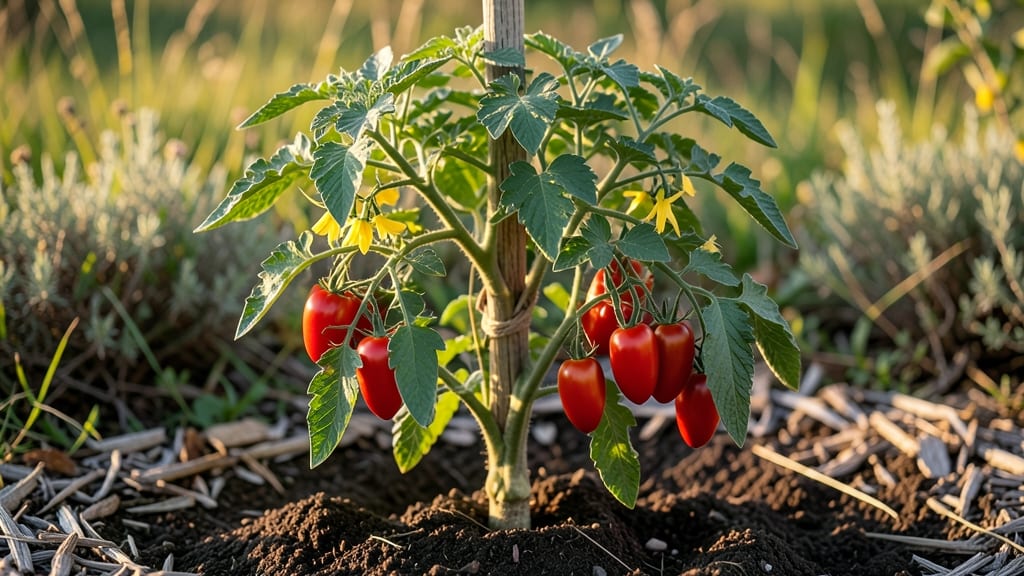
Growing Roma tomatoes 🍅 to a manageable 3-foot height is easier than you think—and it’s the key to maximizing your harvest without sacrificing space.
If your Roma tomatoes are reaching for the sky instead of staying compact, you’re not alone—many gardeners struggle with unruly growth that takes up space and weakens harvests.
The secret lies in knowing when to prune, how to support them, and which simple tricks keep them at the ideal height without stunting productivity.
In this guide, I’ll walk you through pruning techniques, the best supports for small spaces, and how to avoid common mistakes that send your plants skyward.

How to control Roma tomato height with pruning techniques
Roma tomatoes naturally grow 4-6 feet tall, but with the right pruning techniques, you can keep them at a manageable 3-foot height without sacrificing yield. The key is understanding how to direct energy toward fruit production rather than vertical growth.
Pruning isn't just about cutting back—it's about shaping the plant to maximize airflow, sunlight exposure, and structural integrity. When done correctly, your Roma plants will stay compact, produce more efficiently, and resist common diseases like blight.
Most gardeners make the mistake of pruning too late in the season or removing too much foliage at once. This shocks the plant and can actually encourage sprouting of new, unchecked growth.
Instead, we'll focus on gradual, strategic pruning that maintains a 3-foot height limit while keeping your plants healthy and productive. The best time to start pruning is when plants reach 18-24 inches tall, which typically happens 4-6 weeks after transplanting.
Here's the science behind why pruning works: When you remove suckers (those small shoots that grow between the main stem and branches), you prevent the plant from wasting energy on unnecessary growth. By keeping only the strongest primary stems, you ensure that energy flows directly to fruit production.
Additionally, pruning lower leaves improves airflow, reducing humidity around the plant and lowering disease risk. This method also encourages shorter internodes (the spaces between leaves), which naturally keeps the plant more compact.
Step-by-Step Pruning Guide for 3-Foot Roma Tomatoes
-
Step 1: Identify and Remove Suckers
Pinch off suckers (small shoots in leaf axils) when they're 1-2 inches long to prevent them from growing into thick, unmanageable stems. Use your fingers or clean pruners.
-
Step 2: Prune Lower Leaves
Remove leaves on the lower 12-18 inches of the plant to improve airflow and sunlight penetration. Focus on yellow or diseased leaves first.
-
Step 3: Limit Main Stem Growth
When the main stem reaches 3 feet, pinch off the top growth to signal the plant to stop vertical expansion. This encourages lateral branching instead.
-
Step 4: Thin Fruit Clusters
Leave 1-2 tomatoes per cluster to prevent overloading the plant. Remove smaller or deformed fruits to redirect energy to healthier ones.
-
Step 5: Weekly Maintenance
Inspect your plants weekly and repeat Steps 1-4 as needed. Focus on removing any new suckers or overly crowded foliage that could block sunlight.
One common misconception is that pruning will reduce your harvest. In reality, well-pruned Roma tomatoes often produce 20-30% more fruit because the plant isn't wasting energy on excessive growth. The key is balance—remove enough foliage to improve airflow and sunlight, but leave enough leaves to photosynthesize.
Aim to keep 6-8 strong leaves per foot of plant height to maintain productivity while controlling growth.
For best results, prune on mild, overcast days to reduce stress on the plant. Avoid pruning during peak heat or after heavy rain, as this can increase the risk of disease entry through fresh cuts.
If you notice new growth sprouting from the base of the plant (called "basal breaks"), remove them immediately—they can divert energy away from your main fruit clusters. These shoots often appear when the plant is overcrowded or receiving too much nitrogen fertilizer.
Another critical aspect of height control is support structure. Even with pruning, Roma tomatoes need sturdy stakes or cages to prevent them from flopping over as they fill with fruit.
Install supports early (within the first 2 weeks after transplanting) and tie the main stem to the support with soft plant ties every 12 inches. This vertical guidance helps maintain the 3-foot height goal while keeping the plant upright and accessible for pruning.
If you're growing Roma tomatoes in containers, pruning becomes even more important for height control. Container-grown plants often grow wilder due to limited root space, so monitor them closely and prune more aggressively to prevent them from outgrowing their pots.
In containers, aim to prune every 5-7 days during the peak growing season (June-August) to keep the plant within its 3-foot target. Remember, container plants have less stability, so use smaller cages or individual stakes to support their weight.
Finally, pay attention to your Roma plants' growth patterns throughout the season. In early summer, you may need to prune more frequently to control rapid growth, while in late summer, focus shifts to fruit thinning and leaf removal to prepare for harvest.
By late August, reduce pruning to allow the plant to ripen existing fruits before the first frost. This seasonal adjustment ensures your plants stay at the ideal 3-foot height while maximizing your harvest.
Best supports for keeping Roma tomatoes under 3 feet tall
Keeping your Roma tomatoes at a manageable 3-foot height isn't just about pruning—it's also about choosing the right support system. The wrong structure can encourage vertical growth or create airflow problems, while the perfect one will limit height while maximizing sunlight exposure and fruit production.
Let's explore the best options to keep your plants compact and productive.
When selecting a support, prioritize durability, airflow, and easy access for pruning. Roma tomatoes need space between branches to prevent disease, so avoid tight cages that trap moisture. The ideal support will gently guide growth downward while keeping stems sturdy enough to hold heavy fruit loads.
For Roma tomatoes, I recommend either a 3-foot bamboo stake system or a DIY wooden trellis with horizontal slats spaced 12 inches apart. These options give you the most control over height while ensuring proper airflow.
Avoid traditional 5-foot cages—they encourage vertical growth and create humidity pockets that invite disease.
If you're working with limited space, consider a flower pot cage designed specifically for compact varieties. These lightweight cages fit neatly into containers and allow you to prune suckers easily.
For larger gardens, a combination of stakes and twine gives you the flexibility to adjust height as the plant grows, while still maintaining that crucial 3-foot limit.
Remember to install supports early—within the first 2 weeks after transplanting. This gives the plant time to adapt to the structure before it gets too tall. Combine your support system with regular pruning of suckers and lower leaves to maintain that perfect compact shape while maximizing your harvest.
With the right support, your Roma tomatoes will stay at an ideal height without sacrificing productivity—giving you more space in your garden and healthier plants all season long. 🌱