
Pruning
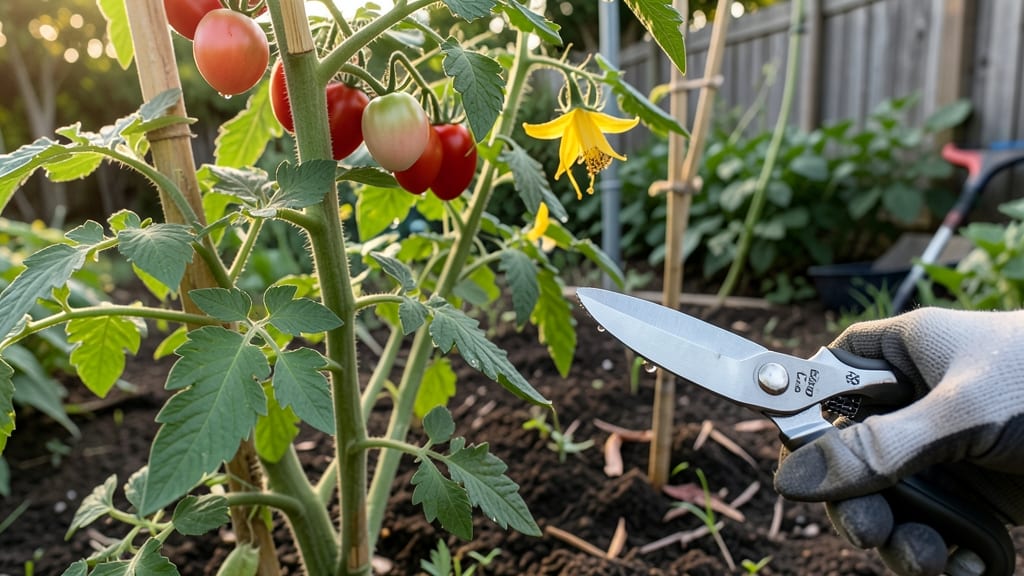
Trimming tomato plants isn’t optional—it’s the secret to bigger harvests and healthier vines. 🌱 I’ve learned the hard way that skipping this step means fewer tomatoes and more diseases creeping in. The right cuts redirect energy to fruit production, while the wrong ones can stunt growth or invite pests.
Determinate tomatoes (the bushy ones) need minimal pruning—just remove damaged leaves—but indeterminate varieties (the vining giants) thrive when you pinch off suckers (those little shoots between the stem and branches). Aim to keep the main stem sturdy, with branches spaced 12-18 inches apart for airflow.
You’ll notice a difference within 2-3 weeks: stronger stems, more flowers, and fruit that ripens faster. The key is timing—prune early in the season to shape the plant, but avoid heavy cuts after mid-July when tomatoes need all their energy to mature.
Over-pruning is the biggest mistake, but so is leaving too many leaves. Strike a balance: remove only what’s blocking sunlight or showing signs of disease. Your tomatoes will thank you with a bountiful, pest-resistant harvest.
📚 In This Guide
- What you need
- Instructions
- Tips and common mistakes
- Wrapping up and next steps
What you need
- ● Bypass pruning shears – Sharp, clean, and sterilized (avoid dull tools that crush stems). Quantity: 1 pair.
- ● Gloves – Garden gloves (nitrile or leather) to protect hands from thorns and dirt. Quantity: 1 pair.
- ○ Disinfectant (optional but recommended) – Rubbing alcohol (70% isopropyl) or a 10% bleach solution to sterilize tools between cuts and prevent disease. Quantity: Small bottle or spray.
- ● Pruning saw (for thick stems) – Only needed if dealing with large, woody tomato plants (e.g., heirloom varieties). Quantity: 1 (if required).
- ● Plant ties or soft twine – For securing stems to stakes or cages after pruning. Quantity: 1-2 rolls.
- ● Stakes or cages – If your plants aren’t already supported (4-6 ft tall for indeterminate varieties). Quantity: 1-2 per plant.
- ● Mulch (straw or grass clippings) – To retain moisture and reduce weeds after pruning. Quantity: Enough to cover the base (2-3 inches).
- ● Garden twine or rubber bands – For temporary support while plants recover from heavy pruning.
Key steps for pruning tomato plants the right way
Here's how to prune tomato plants for stronger growth and bigger harvests—no guesswork involved.
🌿 Step 1: Wait Until Plants Are Established
Hold off on pruning until your tomato plants have 4-6 sets of true leaves and are at least 18-24 inches tall. This ensures they have enough energy to support new growth after cutting. I always check for strong stems and healthy foliage before touching the shears—weak plants can't recover from pruning.
Pruning too early stresses young plants and slows their development. If you see new leaves emerging every 2-3 days, your plant is ready. This is also the time to scout for pests—remove any damaged or diseased leaves immediately, even if it means light pruning before full size.
✂️ Step 2: Remove Suckers Properly
Suckers are the small shoots that grow in the V-shaped junction between the main stem and a branch. Pinch them off with your fingers or clean shears below the sucker—never leave a stub. I like to do this on dry mornings when the plants are firm, making it easier to spot the tiny shoots.
For indeterminate varieties (the ones that keep growing all season), I prune suckers weekly during peak growth. Determinate tomatoes (bush types) rarely need pruning—just remove any leaves touching the soil to prevent rot. The goal is to direct energy to fruit production, not leafy growth.
☀️ Step 3: Thin Foliage for Better Airflow
Once your plant has 5-6 main branches, remove every other leaf along the main stem, starting from the bottom. This opens up the plant to sunlight and airflow, which reduces disease risk and helps fruit ripen faster. I always leave one leaf above each fruit cluster—this leaf feeds the developing tomatoes.
Watch for yellowing leaves—these are often lower leaves that aren’t getting enough light. Remove them completely, but if they’re still green but crowded, simply trim them back to expose the stem. The more sunlight your plant gets, the sweeter and larger your tomatoes will grow.
🌱 Step 4: Prune for Support and Structure
If you’re growing indeterminate tomatoes, tie the main stem to your trellis or cage every 6-8 inches as it grows. This prevents the plant from flopping over and makes it easier to spot suckers. I use soft plant ties or old t-shirts to avoid damaging the stem.
For heavy fruit loads, prune one-third of the lower branches once the plant reaches the top of your support. This shifts energy to the upper fruit clusters. Always prune just above a leaf node—never leave a bare stem, or it’ll rot.
⏰ Step 5: Adjust Pruning as the Season Progresses
By late summer, when your plant is flowering heavily, reduce pruning to only remove diseased or damaged leaves. The plant needs all its energy for fruit development now. I stop pruning suckers entirely once the first flowers appear—too much pruning late in the season can delay ripening.
If your tomatoes are overloaded with fruit, prune back some of the smallest flowers to let the remaining ones grow larger. This is especially important in hot climates where too many tomatoes can stress the plant. A good rule: never have more than 2-3 large tomatoes per cluster at any time.
Tips & tricks for pruning tomato plants the right way
Here's what nobody tells you about getting the most out of your tomato plants—these tricks make all the difference.
Timing is Everything: I learned this the hard way after ruining three batches of plants by pruning too early. Wait until your indeterminate varieties have 5-6 main branches (Step 3) before doing serious thinning—this ensures they have enough energy reserves to recover. For determinate types, minimal pruning is key; focus only on removing leaves that touch the soil to prevent disease. The 4-6 sets of true leaves marker in Step 1 is your green light to start.
The Technique That Changed Everything: When removing suckers (Step 2), I now use a pair of clean, sharp scissors instead of my fingers. This gives me more precision, especially when dealing with those tiny shoots in the V-shaped junctions. Always cut below the sucker—never leave a stub, as this can attract pests and diseases. I also do this on dry mornings when the plants are firm, making suckers easier to spot against the stems.
Support Matters More Than You Think: For indeterminate varieties, I can't stress enough how important Step 4 is—tie your main stem every 6-8 inches as it grows. I use soft plant ties or even old t-shirts because anything too tight can damage the stem. This support prevents flopping and makes it easier to spot suckers. Pro tip: If your plant is top-heavy with fruit, prune back one-third of the lower branches once it reaches your support's top to redirect energy upward.
Late-Season Wisdom: By late summer (Step 5), I shift my focus entirely to disease prevention and fruit development. Once flowers appear, I stop pruning suckers completely—too much late-season pruning can delay ripening. Instead, I only remove diseased or damaged leaves and occasionally prune back the smallest flowers to let the remaining ones grow larger, especially in hot climates where plants can get overwhelmed.
Pro Tips for Should You Trim Tomato Plants
- Here's what nobody tells you about getting the most out of your tomato plants—these tricks make all the difference.
- Timing is Everything: I learned this the hard way after ruining three batches of plants by pruning too early.
- The Technique That Changed Everything: When removing suckers (Step 2), I now use a pair of clean, sharp scissors instead of my fingers.
Frequently asked questions
Got questions about trimming tomato plants? You’re not alone! Here are some of the most common concerns—plus straightforward answers to help you prune like a pro.
Why should I trim my tomato plants at all?
Trimming (or pruning) tomato plants directs energy toward fruit production instead of excessive foliage. It improves air circulation, reduces disease risk, and helps sunlight reach the lower branches—leading to bigger, healthier tomatoes. For indeterminate varieties, it’s a game-changer!
When is the best time to trim tomato plants?
Start trimming early and often—remove suckers (the small shoots between the stem and branches) when they’re about 2–3 inches long. For indeterminate tomatoes, prune throughout the growing season (spring to fall). For determinate varieties, minimal pruning is needed—focus on removing diseased leaves or overcrowded branches.
What’s the difference between pruning indeterminate vs. determinate tomatoes?
Indeterminate tomatoes (like cherry or beefsteak varieties) grow continuously and need regular pruning to shape the plant and boost yields. Determinate tomatoes (like Roma or bush varieties) stop growing at a certain height—prune only to remove dead or yellowing leaves and improve airflow. Over-pruning determinates can reduce fruit production.
What if I skip trimming—will my tomatoes still grow?
Yes, but you might see smaller yields and more issues like blight or blossom-end rot. Unpruned plants can become overcrowded, leading to poor air circulation and weaker stems. While some gardeners swear by the "no-prune" method, trimming often means healthier plants and more tomatoes—especially in humid or disease-prone climates.
Can I prune tomato plants too much?
Over-pruning removes too many leaves, reducing the plant’s ability to photosynthesize and support itself. Leave at least 3–4 main stems (for indeterminate varieties) and avoid cutting more than 1/3 of the foliage at once. If your plant looks stressed, hold off on trimming until it recovers.
Pro Tip:
Use sterilized pruners (wipe with rubbing alcohol) to prevent spreading disease. Prune on a dry, sunny morning so wounds heal faster. And if you’re unsure, less is more—you can always trim again next week!
Wrapping up and next steps
Trimming your tomato plants isn’t just about aesthetics—it’s a game-changer for bigger, healthier harvests! 🌱 Whether you’re pruning indeterminate vines or shaping determinate bushes, the key is balance: remove suckers, open airflow, and redirect energy to fruit production.
With the right tools and timing, you’ll turn your garden into a tomato powerhouse.
Ready to put your new skills to work? Grab your pruners, head outside, and give your plants the TLC they deserve. Your future salads (and bragging rights) will thank you! 🍅✨