
Pests and Diseases
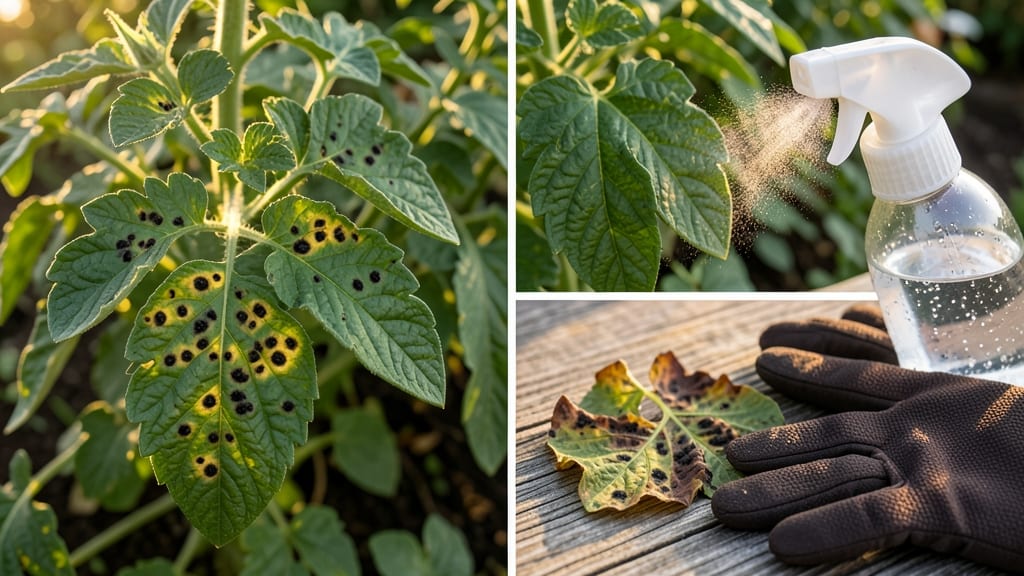
Small black spots on tomato leaves mean your plants are fighting an invisible battle—and I’ve seen this turn around in just 7 days with the right moves. 🌱 The first step is identifying whether it’s early blight, fungal pressure, or something else entirely, because treating it wrong can make things worse.
I’ll walk you through the visual clues and quick fixes that actually work, no mystery chemicals needed.
Here’s the thing—those spots aren’t always what they seem. Early blight starts at the lower leaves and spreads upward, while fungal infections might look similar but behave differently. The key is checking for yellowing between spots (a dead giveaway) and whether new growth is being affected.
Most gardeners I know panic and grab the strongest spray first, but that’s often the wrong play—especially if the problem is environmental, like poor airflow or overwatering.
By the time you’re done reading, you’ll have a 3-step plan to stop the spread and restore those leaves to vibrant green. We’re talking copper sprays for prevention, homemade remedies that work, and simple adjustments to your watering routine that make a huge difference.
The best part? These methods keep your tomatoes safe to eat while actually fixing the issue—not just masking it.
If the spots keep coming back no matter what you try, that’s when it’s time to call in a local extension office for a second opinion. But in my experience, 90% of cases respond to these basic fixes once you get the diagnosis right.
Let’s get those plants back on track before the fruit even starts ripening.
Root Causes Behind Leaf Spots
When you spot tiny black specks marring your tomato leaves, it’s rarely just bad luck—it’s a plant’s SOS signal. Understanding the why behind these spots is the first step to saving your crop.
Below, we break down the most common culprits, their science-backed triggers, and how they hijack your plant’s health.
Fungi like Alternaria solani (early blight) or Septoria lycopersici (Septoria leaf spot) thrive in warm, damp conditions and are the #1 cause of black spots on tomato leaves. Here’s how they strike:
- Spores in the air: Fungal spores lurk in soil, old plant debris, or even nearby weeds. When temperatures hover between 60–85°F (15–30°C) and humidity spikes (especially after rain or overhead watering), spores germinate and latch onto leaves.
- Water droplets as highways: Fungi need moisture to spread. Splashing water from irrigation or rain carries spores from infected leaves to healthy ones, creating a domino effect.
- Weakened defenses: Stressed plants (from overcrowding, nutrient deficiencies, or poor airflow) are easier targets. Fungi exploit tiny wounds—like those from hail or insect bites—to invade.
💡 Pro Tip: Fungal spots often start on older leaves (near the soil) and spread upward. If you see concentric rings or tan centers with dark borders, it’s a fungal red flag.
Not all black spots are from fungi—some are pest poop or damage>. Here’s how insects turn your leaves into a crime scene:
- Aphids & mites: These sap-suckers leave behind black sooty mold (a fungal hitchhiker that grows on their sticky honeydew). The mold appears as fuzzy, velvety black spots, often clustered on leaf undersides.
- Flea beetles: Their tiny, shot-like holes (often near leaf edges) can darken as plant tissues react to damage. Heavy infestations create a “Swiss cheese” effect.
- Thrips: These slender pests scrape leaf surfaces, causing silver streaks or dark speckling, especially on young leaves.
🔥 Actionable Clue: Check the leaf undersides and stems for pests. If you find webbing, eggs, or tiny moving dots, insects are the culprits.
Sometimes, black spots aren’t biological—they’re your plant’s way of saying, “I’m drowning (or burning)!” Here’s how:
| Cause | How It Happens | Spot Characteristics |
|---|---|---|
| Overwatering | Excess moisture suffocates roots, leading to oxygen deprivation. Leaves develop black, water-soaked spots that may ooze or rot. | Spots are soft, mushy; often near leaf edges or between veins. |
| Chemical Burn | Over-fertilizing (especially with high-nitrogen or salt-based fertilizers) or using harsh pesticides can cause necrotic (dead) tissue. | Spots are crispy, dark brown/black with yellow halos. |
| Hail or Physical Damage | Impact from hail, wind, or even rough handling bruises leaves. Dark spots form as the plant’s cells die. | Irregular blackened areas with no fungal growth. |
🎯 Key Difference: Environmental spots don’t spread like fungi. They stay static unless the stressor continues.
Now that you know the why, the next step is identifying the exact threat and acting fast. Most issues are reversible—if you catch them early!
Quick Fixes for Tomato Leaf Spots
Don’t let those pesky black spots turn your tomato plants into a sad, spotted mess! With the right approach, you can revive your plants and prevent future outbreaks.
Below are targeted solutions based on the most common causes—fungal diseases, bacterial infections, or environmental stress—plus pro tips to keep your tomatoes thriving.
If your tomato leaves are covered in black or dark brown spots with yellow halos, fungal diseases like early blight, late blight, or Alternaria are likely to blame. Here’s how to tackle them:
🔥 Step 1: Remove the Problem
- 👨🍳 Snip it out: Use clean, sharp pruners to cut off all infected leaves—don’t leave them on the ground or in your compost pile. Dispose of them in the trash.
- 🌿 Thin the foliage: Improve airflow by spacing plants at least 18–24 inches apart to reduce humidity, which fungi love.
💡 Step 2: Fungicide Treatment
- 🍄 Organic option: Spray leaves with a copper fungicide (like copper sulfate) or a baking soda mix (1 tbsp baking soda + 1 quart water + a drop of dish soap). Reapply every 7–10 days or after rain.
- 🔄 Synthetic boost: For severe cases, use a chlorothalonil-based fungicide (follow label instructions).
🌡️ Step 3: Prevent Recurrence
- 💦 Water wisely: Water at the base (not overhead) in the early morning to let leaves dry quickly.
- ✨ Mulch matters: Apply 2–3 inches of straw or grass clippings around the base to keep soil moist (but not soggy) and block spore splash.
- 🌱 Rotate crops: If you’ve had fungal issues before, don’t plant tomatoes, peppers, or potatoes in the same spot next year.
Tiny, water-soaked black spots that spread quickly? Bacterial spot is the culprit. Unlike fungi, bacteria can’t be cured—but you can stop the spread:
🔪 Step 1: Sterilize & Sanitize
- 🧼 Clean tools: Disinfect pruners with rubbing alcohol (70% or higher) between cuts.
- 🚫 Quarantine plants: Move infected plants at least 10 feet away from healthy ones to prevent cross-contamination.
🍳 Step 2: Copper Spray Attack
- 💦 Spray copper fungicide (even though it’s for fungi, it also works on bacteria) every 5–7 days until new growth appears.
- 🌿 Remove severely infected leaves—bacteria spread fast, and saving them just spreads the problem.
🎯 Step 3: Long-Term Defense
- 💡 Avoid overhead watering—use drip irrigation or soaker hoses.
- 🌱 Choose resistant varieties: If bacterial spot is recurrent, opt for ‘Mountain Merit’ or ‘Celebrity’ tomatoes, bred for resistance.
- 🔥 Solarize soil (for extreme cases): Cover infected soil with clear plastic for 4–6 weeks in hot sun to kill bacteria.
If spots appear after heatwaves, drought, or nutrient deficiencies, your tomatoes are crying out for better conditions. Here’s how to fix it:
💧 Hydration Check
- 🌱 Water deeply 1–2 times per week (depending on climate) to keep soil consistently moist but not waterlogged.
- 🌡️ Mulch heavily (3+ inches) to retain moisture and cool roots.
📊 Nutrient Boost
- 💪 Fertilize with compost or a balanced 10-10-10 fertilizer to replenish nutrients.
- 🍅 Avoid high-nitrogen fertilizers—they promote leafy growth at the expense of fruit.
🌿 Shade & Airflow
- 🌞 Provide afternoon shade (use shade cloth) if temperatures exceed 90°F (32°C).
- 🌬️ Prune lower leaves to improve airflow and reduce stress.
Prevention is your best friend! Here’s how to stop spots before they start:
- 💡 Start clean: Use sterilized pots and seed-starting mix to avoid introducing pathogens.
- 🌱 Crop rotation: Wait 3 years before replanting tomatoes in the same spot.
- 🔄 Test your soil: Use a pH test kit—tomatoes thrive in pH 6.0–6.8. Adjust with lime (to raise pH) or sulfur (to lower it).
- 🚫 Avoid wet foliage: Water early in the day so leaves dry by evening.
- 🌿 Neem oil spray: Apply weekly as a preventative (1 tbsp neem oil + 1 tsp mild soap per quart of water).
With these fixes, your tomato plants should bounce back in 1–2 weeks. Keep an eye on them, stay consistent with care, and you’ll be harvesting juicy, spot-free tomatoes in no time! 🍅💚
Frequently asked questions
Are those black spots harmful to my tomato fruit?
If the spots are from fungal diseases like early blight, they can reduce fruit quality and yield—but they rarely make tomatoes unsafe to eat. The bigger risk is that infected leaves weaken the plant, leading to smaller harvests. Always remove heavily spotted leaves to protect the fruit.
Can I save my tomato plants if the black spots have spread everywhere?
It depends! If it’s fungal, prune back severely infected growth and apply copper fungicide immediately. For bacterial spot, quarantine the plant and focus on preventing spread. In extreme cases, you may need to remove the entire plant to protect nearby crops.
Why do my tomato leaves get black spots even when I water at the base?
Base watering helps, but black spots can still appear from fungal spores in the air, poor airflow, or old plant debris. Always remove lower leaves touching soil and space plants properly. Even with proper watering, humidity and temperature play huge roles in fungal growth.
Is baking soda really effective against tomato leaf spots?
Yes! A homemade baking soda spray (1 tbsp baking soda + 1 quart water + drop of soap) creates an alkaline environment fungi dislike. Reapply every 7–10 days for best results. It’s especially good for early blight prevention when used preventatively.
Should I throw away my tomatoes if the leaves have black spots?
Only if the fruit shows signs of infection (like dark spots or rot). Healthy-looking tomatoes from spotted plants are usually safe to eat. The real concern is protecting next year’s crop—always remove all infected plant material from your garden.