
Companion Plants
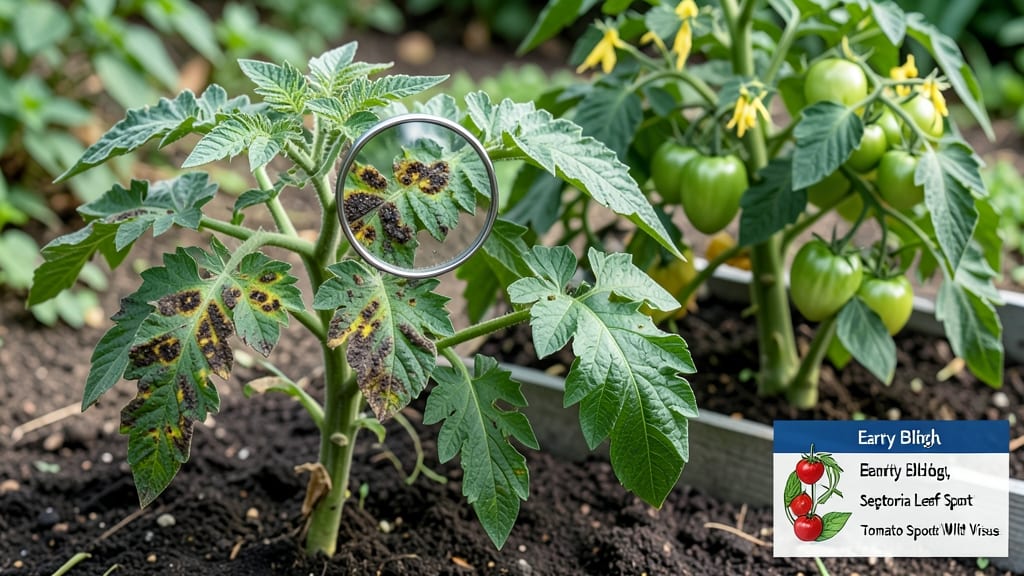
Speckled leaves on tomato plants mean your harvest is under attack—usually by fungal diseases like early blight or septoria leaf spot. 🌱 I’ve seen this ruin entire plants in just weeks, but the good news? Early action can save your tomatoes before the spots spread to the fruit.
The first step is identifying the culprit: early blight shows concentric rings on lower leaves, while septoria spots are tiny with dark centers. Spider mites cause speckling too, but they leave webbing and tiny yellow dots on leaf undersides. Grab a magnifying glass and check for these clues.
Once you know what’s wrong, act fast with organic fixes: copper fungicide for fungal spots, neem oil spray for mites, and prune infected leaves immediately. Space plants properly and water at the base to keep foliage dry—this cuts infection rates by half.
With the right approach, you’ll stop the spread and keep your plants productive. Here’s exactly how to tackle each cause before it ruins your crop.
Root Causes of Leaf Speckling
Speckled leaves on your tomato plants can feel like a mysterious code—each pattern hinting at a different underlying issue. Understanding the why behind these symptoms is the first step to saving your harvest.
Below, we break down the most common culprits, from fungal invaders to environmental stressors, with clear explanations and actionable insights.
---
Fungal diseases are the #1 cause of speckled leaves on tomato plants, thriving in warm, humid conditions. Here’s how to spot them and what’s really happening:
#### Early Blight (Alternaria solani) - What it looks like: Tiny, dark brown or black spots with concentric rings (like a bullseye) on older leaves.
The spots may turn yellow or tan as they age. - Why it happens: The fungus Alternaria solani survives in soil and plant debris, splashing onto leaves via water (rain, irrigation, or overhead watering).
High humidity and temperatures between 70–85°F (21–29°C) create the perfect breeding ground. - Key trigger: Poor air circulation (crowded plants) and wet foliage for prolonged periods. - Actionable fix: Space plants 18–24 inches apart, water at the base (never overhead), and remove infected leaves immediately.
#### Late Blight (Phytophthora infestans) - What it looks like: Irregular, greasy-looking spots that turn brown or black, often with a white or fuzzy mold on the undersides of leaves.
Stems may develop dark, sunken lesions. - Why it happens: This aggressive fungus spreads via spores carried by wind or water.
It thrives in cool (50–77°F / 10–25°C), wet conditions, making it a nightmare for gardeners in humid climates or after heavy rain. - Key trigger: Overhead irrigation or rain followed by stagnant air (e.g., greenhouses, shaded areas). - Actionable fix: Use copper fungicide (organic option) and improve drainage.
If possible, grow blight-resistant varieties like ‘Mountain Merit’ or ‘Defiant PhR.’
#### Septoria Leaf Spot (Septoria lycopersici) - What it looks like: Small, circular spots with dark borders and gray centers, often appearing on the lower leaves first.
Spots may have tiny black dots (fungal fruiting bodies). - Why it happens: The fungus overwinters in plant debris and spreads via splashing water or wind.
It’s most active in warm (70–80°F / 21–27°C), humid weather with frequent leaf wetness. - Key trigger: Poor sanitation (leaving infected leaves in the garden) or dense plantings. - Actionable fix: Rotate crops (don’t plant tomatoes in the same spot next year) and mulch with straw to reduce soil splashing.
---
Bacterial infections often mimic fungal spots but lack the fuzzy texture. Here’s how to tell them apart:
#### Bacterial Spot (Xanthomonas perforans or X. vesicatoria) - What it looks like: Tiny, water-soaked spots that turn dark brown to black with yellow halos.
Spots may merge and cause leaves to dry out or develop holes. - Why it happens: Bacteria enter through wounds (e.g., from hail, wind, or pruning) and spread via water, tools, or even your hands.
They thrive in warm (75–90°F / 24–32°C), wet conditions. - Key trigger: Overhead watering, contaminated pruners, or touching plants after handling infected ones. - Actionable fix: - Sterilize tools with rubbing alcohol between uses. - Avoid watering leaves; use drip irrigation instead. - Remove and dispose of infected leaves (don’t compost them).
---
Not all speckles are caused by pathogens—sometimes, it’s your garden’s microclimate acting up.
#### Sunscald or Heat Stress - What it looks like: Small, white or brown speckles on leaves exposed to intense sunlight, often with a papery or crispy texture.
Common in young plants or those suddenly moved to full sun. - Why it happens: Tomato leaves aren’t used to direct sun when young.
When exposed to >90°F (32°C) temperatures, cells overheat and rupture, causing localized damage. - Key trigger: Transplanting seedlings too early or placing plants in hot, reflective surfaces (e.g., black plastic mulch). - Actionable fix: - Provide shade cloth (30–50%) for young plants. - Use light-colored mulch (straw or white plastic) to reflect heat. - Water deeply in the morning to cool leaves.
#### Chemical Burns or Over-Fertilization - What it looks like: Yellow or white speckles along leaf edges or veins, often with crispy or curled areas.
May resemble nutrient deficiency but appears suddenly. - Why it happens: - Over-application of fertilizer (especially high-nitrogen or salt-based fertilizers) disrupts cellular function, causing osmotic stress. - Pesticide/herbicide drift or hard water minerals (e.g., chlorine, fluoride) can also scorch leaves. - Key trigger: Using synthetic fertilizers too frequently or spraying chemicals on hot, dry days. - Actionable fix: - Flush soil with water if you suspect fertilizer burn. - Switch to organic, slow-release fertilizers (e.g., compost or worm castings). - Test your water for hardness and adjust irrigation accordingly.
--- Some speckles aren’t from disease or stress—they’re pest damage in disguise.
#### Spider Mites (Tetranychus spp.) - What it looks like: Tiny yellow or white speckles (actually mite feeding scars) on the undersides of leaves, often with fine webbing.
Severe cases cause leaves to turn bronze or gray. - Why it happens: These microscopic pests thrive in dry, hot conditions (75–90°F / 24–32°C) and low humidity.
They suck sap, leaving stippled or speckled patterns. - Key trigger: Drought stress (plants produce more sugars, attracting mites) or lack of beneficial insects (e.g., ladybugs). - Actionable fix: - Blast leaves with water (disrupts their silk webs). - Introduce predatory mites or neem oil spray (organic option). - Increase humidity with mulch or shade cloth.
#### Flea Beetles (Epitrix spp.) - What it looks like: Tiny, shot-hole-like speckles (each is a beetle’s feeding puncture). Leaves may appear chewed or perforated. - Why it happens: These jumping pests target young tomato plants, especially in early spring or after transplanting.
They’re most active in warm (70–80°F / 21–27°C) weather. - Key trigger: Bare soil (they hide in debris) or lack of row covers. - Actionable fix: - Use floating row covers for young plants. - Apply kaolin clay (a natural repellent) or diatomaceous earth (food-grade only).
Quick Fixes for Tomato Leaf Spots
Now that you’ve identified the culprit behind those pesky speckled leaves, it’s time to act! Whether your tomatoes are battling early blight, septoria leaf spot, or bacterial speck, these practical solutions will help restore your plants to health—without harsh chemicals.
Below, we’ve mapped out targeted fixes for each common cause, plus prevention tips to keep your garden thriving.
---
#### 1. Prune & Remove Infected Foliage 🔪 Fungal spores thrive on dead or infected leaves, so cut them off immediately—don’t compost them! Use clean, sharp pruners and dispose of clippings in the trash (not your compost bin).
Focus on: - Lower leaves (where blight often starts). - Severely spotted leaves (even if just a few specks appear). - Stems with lesions (prune ½ inch below the spot to prevent spread).
> Pro Tip: 💡 Sterilize your pruners between cuts with rubbing alcohol or a 10% bleach solution to avoid cross-contamination.
#### 2. Boost Air Circulation 🌬️ Fungi love damp, crowded conditions. Space plants 18–24 inches apart and avoid overhead watering. If your tomatoes are in containers, ensure pots have drainage holes.
For garden beds: - Stake or cage plants to keep foliage upright. - Thin out suckers (side shoots) to improve airflow. - Mulch with straw or grass clippings (not wood chips, which retain moisture).
#### 3. Apply Fungicidal Sprays (Organic Options) 🛡️ Preventative sprays are key—start at the first sign of speckling and repeat every 7–10 days or after rain.
Try these DIY blends: - Baking Soda Spray: - 1 tsp baking soda + 1 tbsp vegetable oil + 1 tsp dish soap per quart of water. - Spray undersides of leaves (where spores hide). - Copper Fungicide: - Use a ready-made organic copper spray (like Bonide Copper Fungicide) as directed. - Neem Oil Solution: - 2 tbsp neem oil + 1 tsp mild soap per gallon of water.
Shake well and spray in the evening (avoids burning leaves).
> Pro Tip: 🌡️ Spray early in the morning or late afternoon to reduce leaf burn from evaporation.
#### 4. Soil & Water Adjustments 💧 - Water at the base (not overhead) to keep leaves dry. - Avoid late-day watering—wet foliage overnight invites fungi. - Improve soil drainage by amending with compost or sand if your garden stays soggy.
---
Bacterial speck spreads rapidly, so remove infected plants immediately if the infection is severe. For early stages:
#### 1. Copper-Based Bactericides 🛡️ - Use copper hydroxide (like Copper Soap) or fixed copper sprays. - Apply every 5–7 days until new growth appears. - Do NOT use baking soda or neem oil—they won’t kill bacteria.
#### 2. Sanitize Everything 🧼 Bacteria linger on tools and soil. Clean: - Pruners and gloves with bleach water (1 part bleach to 9 parts water). - Pot surfaces with a 10% bleach solution if repurposing containers. - Avoid composting infected plants—bag them and toss in the trash.
#### 3. Crop Rotation & Soil Health 🌱 - Plant tomatoes in a different spot next year (bacteria can survive in soil for years). - Add compost or aged manure to boost soil microbes that outcompete pathogens. - Avoid overhead irrigation—drip systems or soaker hoses reduce bacterial splash.
---
Stop speckled leaves before they start with these long-term strategies:
| Tactic | How to Do It | Why It Works | |--------------------------|------------------------------------------|------------------------------------------| | Choose resistant varieties | Pick tomato types like ‘Mountain Merit’ or ‘Defiant PhR’ (resistant to early blight). | Genetics reduce susceptibility. | | Plant companion crops | Interplant with basil, marigolds, or onions—they repel pests and improve airflow. | Disrupts fungal/bacterial cycles. | | Solarize soil | Cover beds with clear plastic for 4–6 weeks in summer to kill pathogens. | Starves fungi/bacteria of moisture. | | Test soil pH | Aim for 6.0–6.8—acidic soil (below 5.5) encourages fungi. | Optimal pH strengthens plant defenses. | | Use row covers | Lightweight fabric shields plants from spores until flowering. | Blocks spore dispersal. |
---
If more than 50% of leaves are infected or fruit shows lesions, it’s often best to: - Pull the plant (especially for bacterial speck). - Solarize the spot or plant a non-host crop (like beans) there next season. - Disinfect the area with a 3% hydrogen peroxide spray (1 part peroxide to 3 parts water).
--- Remember: Consistency is key! Fungal and bacterial diseases often return if you stop treatments too soon. With these fixes, your tomato plants should bounce back—and next year, you’ll be one step ahead. 🍅✨
Frequently asked questions
Why do my tomato leaves have speckles but no other symptoms?
Early-stage fungal infections like septoria leaf spot or bacterial speck often start as tiny speckles before spreading. Check leaf undersides for webbing (spider mites) or dark centers (fungus). If only speckles appear, it’s likely a mild case—act fast with copper spray or neem oil to prevent spread.
Can I still harvest tomatoes if the leaves have speckles?
Yes, but only if the fruit itself is healthy. Fungal/bacterial spots rarely spread to tomatoes, but remove infected leaves immediately. For bacterial speck, wash tomatoes thoroughly before eating. If fruit shows lesions, discard it—bacteria can contaminate the edible parts.
Will pruning speckled leaves make my tomato plant grow faster?
No, but it redirects energy to fruit production. Prune only infected leaves (never healthy ones) to improve airflow. Removing lower leaves also prevents soil-borne spores from splashing upward. The plant won’t grow faster, but it’ll focus resources on tomatoes instead of fighting disease.
How long until my tomato plants recover from speckled leaves?
With treatment, new growth appears in 2–4 weeks. For fungal issues, consistent copper sprays every 7–10 days are key. Bacterial speck may take longer—remove severely infected plants immediately. Healthy leaves will regrow if you stop the spread early.
Can I use the same fungicide spray on my tomatoes and other garden plants?
Check labels carefully! Copper fungicides are safe for most veggies, but neem oil can harm beneficial insects like bees. Avoid mixing sprays—some combinations (like copper + baking soda) reduce effectiveness. Always test on a small area first, especially for sensitive plants like peppers.