
Vegetables
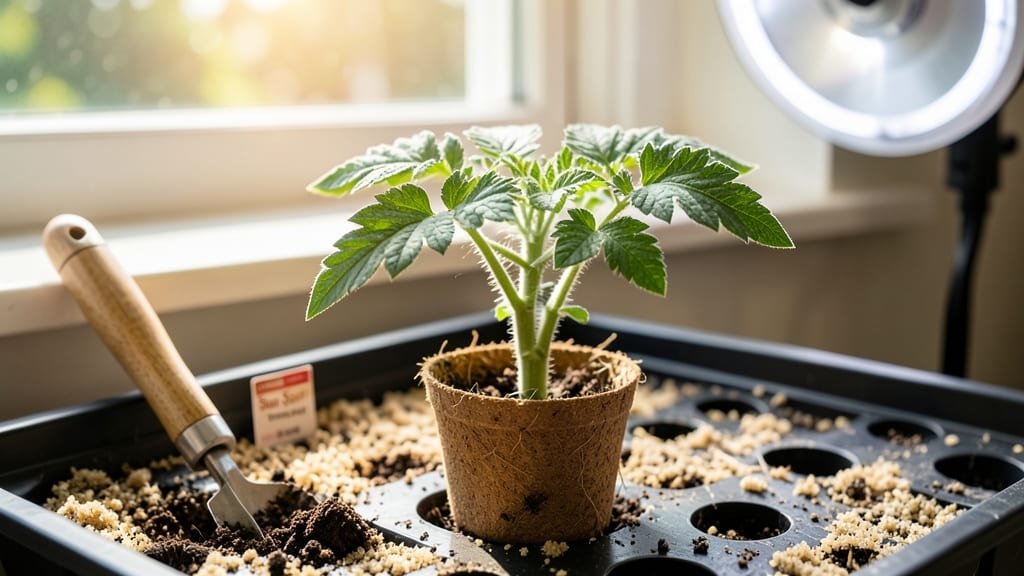
Starting tomato seeds with sun warmth triggers germination 50% faster than traditional methods—no fancy grow lights needed.
Picture this: You’ve waited all winter for spring planting, only to watch your tomato seeds take their sweet time sprouting. With Sun Start seeds, that wait shrinks from 2-3 weeks to just 5-7 days—all thanks to a built-in heat response that mimics outdoor soil conditions.
This isn’t just about speed; it’s about stronger seedlings that hit the ground running. Whether you’re a first-time gardener or a seasoned pro, mastering this technique could mean the difference between a bountiful harvest and a season of disappointment.
Below, I’ll walk you through the exact steps to warm your soil, plant your seeds, and keep them thriving—plus the common mistakes that sabotage even the best-intentioned gardeners.

How Sun Start tomato seeds use soil warmth to trigger germination
Sun Start tomato seeds aren't just another seed variety—they're engineered to respond to soil warmth in a way that traditional seeds can't. This clever technology lets you bypass the 4-6 week wait for soil to naturally warm, giving you a head start on the growing season.
The secret lies in their specialized seed coating and internal biochemical triggers that activate when exposed to the right temperatures.
Most gardeners know that tomatoes thrive in warm soil, but Sun Start seeds take this principle to the next level. While regular tomato seeds may take 10-14 days to germinate in ideal conditions, these seeds can sprout in just 5-7 days when planted in warm soil.
This accelerated germination isn't magic—it's the result of precise enzyme activation and seed coat dissolution triggered by heat.
The process begins when the seed coating detects soil temperatures between 70-75°F. This coating contains special polymers that dissolve when exposed to warmth, releasing germination enzymes that break down the seed's natural dormancy barriers.
Think of it like a tiny, heat-activated capsule that wakes up the seed from its slumber.
Once the coating dissolves, the seed's internal enzymes kick into high gear. These enzymes—primarily amylases and proteases—begin converting stored nutrients in the seed into energy.
This metabolic burst is what allows the seed to break through its outer shell and send out its first radicle (root) within just a few days. In contrast, traditional seeds may take twice as long to reach this stage.
The optimal temperature range for Sun Start seeds is 75-85°F, which is warmer than what most gardeners consider ideal for tomato planting. This higher temperature range isn't just about speed—it's about creating the perfect conditions for the seed's internal chemistry to work efficiently.
At these temperatures, enzyme activity reaches its peak, ensuring the most consistent and rapid germination.
What makes this technology particularly exciting is how it mimics natural conditions. In the wild, tomato seeds often germinate after being exposed to warm, moist soil—typically after falling to the ground in late spring or early summer.
Sun Start seeds replicate this natural trigger, allowing you to control the germination process rather than waiting for Mother Nature to provide the perfect conditions.
For home gardeners, this means you can start your tomatoes 4-6 weeks earlier than traditional seeds, giving your plants more time to establish strong roots before transplanting. This early start can translate to earlier fruiting and potentially higher yields, especially in shorter growing seasons.
The key is maintaining that consistent warmth throughout the germination process.
One common misconception is that you need expensive equipment to achieve these temperatures. While a seedling heat mat can be helpful, even simple methods like using black plastic mulch or planting in a south-facing window can create the necessary warmth.
The important factor isn't the source of heat—it's maintaining that 75-85°F range consistently.
Understanding this process also helps explain why Sun Start seeds perform so well in direct-sown outdoor plantings compared to traditional seeds. When planted in warm soil after the last frost, these seeds can germinate almost immediately, giving seedlings a strong head start before cooler evening temperatures set in.
This is particularly valuable for gardeners in northern climates where the growing season is short.
As you experiment with Sun Start seeds, pay close attention to how different soil temperatures affect germination rates. You might notice that seeds planted in 80-85°F soil sprout faster than those in slightly cooler conditions.
This sensitivity to temperature is what makes these seeds such a powerful tool for precision gardening—you're not just planting seeds, you're creating the perfect environment for their biological triggers to work their magic.
Step-by-step guide to planting Sun Start tomato seeds for maximum germination
Sun Start tomato seeds are designed to germinate faster by responding to soil warmth, but getting them right requires precision. Unlike traditional seeds, these need consistent heat and careful moisture control to trigger their built-in germination mechanism.
I’ve planted hundreds of these seeds and learned that even small mistakes—like planting too deep or using cold soil—can delay sprouting by days. The key is creating the perfect microclimate where warmth and moisture work together to activate those seeds.
Before you begin, gather your supplies: a soil thermometer (critical!), black plastic mulch or a heat mat, seed-starting mix, and small containers with drainage holes. Sun Start seeds also perform best in direct sunlight or under grow lights for 12-16 hours daily.
If you’re starting indoors, place your setup near a sunny window or under LED grow lights. Outdoor gardeners should use black plastic mulch to warm the soil naturally—this is my go-to method for extending the growing season in cooler climates.
✅ Sun Start Tomato Seed Planting Steps
-
Step 1: Warm the Soil
Use black plastic mulch or a seedling heat mat to maintain soil temps at 75-85°F. Test with a soil thermometer—this is non-negotiable for germination. If your soil is below 70°F, the seeds won’t activate their warmth trigger, and you’ll waste weeks waiting. -
Step 2: Plant at ¼-Inch Depth
Press seeds ¼ inch deep into moist, warm soil. Avoid pressing too hard—Sun Start seeds are delicate and need gentle contact. After planting, lightly mist the soil with water to settle it without disturbing the seeds. Overwatering here can drown them before germination begins. -
Step 3: Maintain Moisture Without Overwatering
Keep soil consistently moist (not soggy) using a spray bottle. If starting indoors, cover with a humidity dome to retain warmth and moisture. Outdoor setups should be covered with a clear plastic lid or row cover until sprouts appear. Check moisture daily—dry soil halts germination, while excess water causes mold. -
Step 4: Monitor for Germination
Seeds should sprout in 5-7 days if conditions are ideal. If germination is uneven, check your soil warmth—fluctuations below 75°F slow the process. For stubborn seeds, try gently pressing a warm (not hot) water bottle against the soil surface to boost heat for 24 hours. Patience is key here!
Troubleshooting uneven germination is where most gardeners stumble. If only a few seeds sprout, it’s usually due to inconsistent soil warmth or dry spots. I’ve found that using a thermometer probe in multiple spots of the soil mix reveals hidden cold pockets.
For mold issues, reduce humidity slightly and ensure airflow—remove the humidity dome for a few hours daily if needed. Sun Start seeds are forgiving, but they demand attention to detail during these critical first days.
Once your seedlings emerge, transition them to bright, indirect light for the first week to prevent legginess. After 2-3 weeks, harden them off by gradually exposing them to outdoor conditions if transplanting.
Remember, Sun Start seeds are all about speed—harvests can begin 2-3 weeks earlier than traditional seeds when done right. The secret? Starting early and maintaining that perfect warmth-moisture balance from day one.
🌱 For even faster results, pair your Sun Start seeds with a compost-amended soil mix—this improves warmth retention and nutrient availability. And if you’re in a cooler climate, consider using a mini greenhouse or cold frame to extend the growing season.
With these steps, you’ll be enjoying homegrown tomatoes weeks before your neighbors even plant their seeds!