
Planting
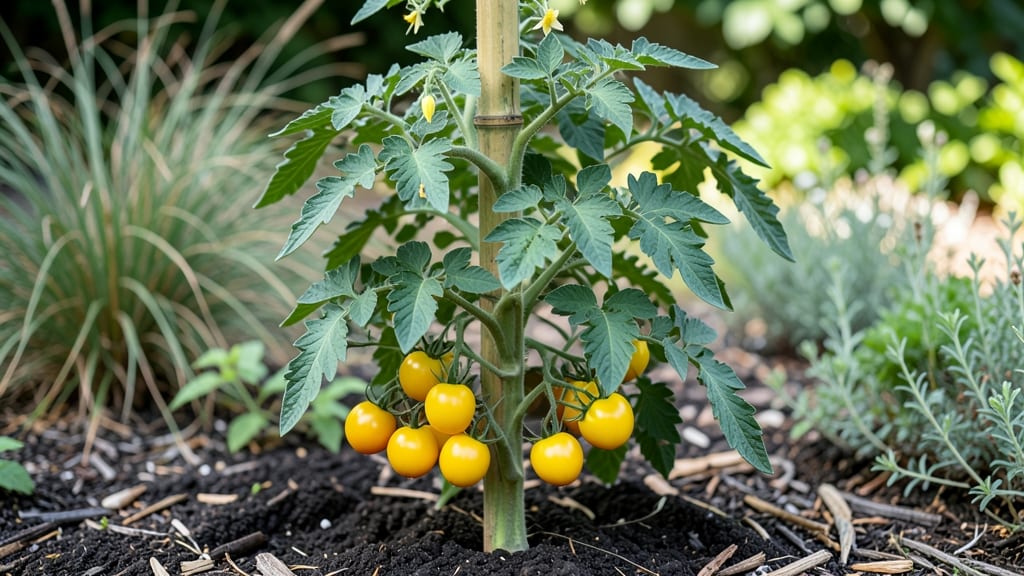
The Sungold tomato plant height stays surprisingly compact at just 3–4 feet, packing sweet, tangy flavor into a space-efficient vine—ideal when garden real estate is limited. 🌱 I’ve grown them in containers, along fences, and even tucked between other plants, and they never sprawl like their larger cousins.
The secret is their indeterminate growth habit: they keep producing fruit all season long, but the vines stay manageable with the right support.
Most Sungolds top out around 4 feet if left unchecked, but with a trellis or sturdy cage, you can keep them under 3 feet while maximizing airflow. This isn’t just about tidiness—it reduces disease risk and makes harvesting easier.
I’ve seen vines stretch to 5 feet in ideal conditions, but that’s rare unless you’re growing them vertically as a feature. The payoff? More fruit per square foot than most tomatoes.
A single plant can yield 20+ pounds of those bright orange, cherry-sized gems—far more than you’d expect from something so small. Just pin the vines to the trellis every few inches as they grow, and watch those clusters of tomatoes multiply.
Works in containers, raised beds, or in-ground gardens—just give them 6+ hours of sun and consistent water. No fancy pruning needed, but snipping off suckers (those little shoots in the joint) keeps energy focused on fruit production. Sweet, simple, and space-efficient!
📚 In This Guide
- What you need
- Instructions
- Tips and common mistakes
- Wrapping up and next steps
What you need
- ● Sungold tomato seeds or seedlings: 1–3 plants (depending on space). Choose determinate varieties for compact growth (typically 3–4 ft tall).
- ● Containers or garden bed: Containers: 5-gallon pots or larger (minimum 12" diameter/width). Use fabric grow bags or self-watering pots for better drainage.
- ● Garden bed: Ensure at least 18" spacing between plants if not container-grown.
- ● High-quality potting mix: 1 bag (1.5–2 cubic feet). Opt for a lightweight, well-draining mix with added compost or organic matter.
- ● Tomato cages or stakes: 3–4 ft tall (for support). Florida weave cages (5–6 ft) work well for determinate types.
- ● Balanced fertilizer: 10-10-10 or 5-5-5 (organic options like fish emulsion or compost tea are great too!).
- ● Gloves & hand trowel (for planting).
- ● Pruning shears (to trim suckers and encourage bushier growth).
- ● Mulch (straw or shredded leaves) to retain moisture.
- ● Drip irrigation or watering can (consistent moisture is key!).
- ○ Optional: Grow lights (if indoors or early season).
- ● Epsom salt (for magnesium boost, 1 tbsp per plant monthly).
- ● Copper tape (to deter pests like hornworms).
How to manage Sungold tomato plant height for maximum yield
Here's how I keep these prolific little plants compact while maximizing those sweet, cherry-sized fruits.
🌱 Step 1: Choose the Right Support System Early
Sungold tomatoes grow best when their vines are supported vertically, but unlike indeterminate varieties, they won't sprawl endlessly. I use 4-foot-tall tomato cages (not the flimsy wire ones—these need sturdy 14-gauge galvanized wire) for each plant. The key is positioning them immediately after transplanting so roots don't circle the cage later.
Push the cage into the soil 2-3 inches deep around each plant. This prevents toppling when vines get heavy with fruit. For containers, I secure cages with garden ties to the pot's rim. The goal is to create a 360-degree support structure that lets the plant grow upward without bending stems.
☀️ Step 2: Prune Strategically for Compact Growth
Sungold's natural growth habit makes pruning easier than with tall varieties, but precision matters. Remove suckers (those little shoots in the leaf axils) when they're no larger than a pencil eraser—waiting longer creates weak growth points. I pinch them off with my thumb and forefinger rather than cutting, which reduces stress on the plant.
Leave 2-3 main stems per plant to encourage bushier growth. The first few suckers below the first flower cluster can stay—they'll become productive branches. Watch for leggy growth (stems stretching toward light) and trim the top 1-2 inches above a leaf node to promote bushiness. This keeps the plant under 4 feet tall while maximizing fruit production.
💧 Step 3: Water and Feed for Controlled Height
Deep, consistent watering (about 1 gallon per plant every 2-3 days) prevents the plant from stretching for moisture. Water at the base only—wetting leaves spreads disease. I use a soaker hose to deliver moisture slowly, which also keeps the soil evenly moist without creating surface crust that roots dislike.
Feed with a balanced liquid fertilizer (10-10-10) every 2 weeks starting when flowers appear. The key is not over-fertilizing—too much nitrogen makes plants grow tall and leafy with few fruits. I switch to a low-nitrogen, high-phosphorus formula (5-10-10) when fruit sets to encourage ripening rather than vegetative growth.
✂️ Step 4: Harvest and Prune for Ongoing Compactness
Harvest Sungolds every 2-3 days when they're fully colored but still slightly firm. This prevents the plant from diverting energy into ripening more fruit than it can handle, which would make it grow taller. Pinch off any side shoots that form above the first flower cluster—they'll only create weak growth.
As the season progresses, trim yellowing lower leaves (those below the first fruit cluster) to improve airflow. This keeps the plant's energy focused on the upper 2/3 of the plant, where most production happens. By late summer, your Sungolds should be 3-4 feet tall with a bushy, productive shape rather than a leggy vine.
🪴 Step 5: Stake for Wind and Fruit Support
Even compact Sungolds need extra support when laden with fruit. Install bamboo stakes (2-3 feet tall) next to each cage and tie the main stems loosely with soft plant ties. The cage handles the weight, but stakes prevent the entire plant from swaying in wind or rain.
Check ties weekly—they tighten as the plant grows. Replace any that dig into the stem. This system keeps the plant upright and contained while allowing those signature 1-inch orange fruits to ripen without breaking stems. With this approach, you'll get pounds of fruit from a plant that fits neatly in a 4-foot space.
Tips & tricks for perfect Sungold tomato growth in limited space
Between us, these little Sungold plants pack a flavor punch but need the right approach to stay compact. Here's how I've learned to maximize their potential without sacrificing height control.
Support System Stability: The 4-foot-tall cages I use are non-negotiable for Sungolds—they're built to handle the weight of those prolific clusters. What I've learned is to bury them deeper than you think: those 2-3 inches underground create a surprisingly strong anchor. For containers, I double up by tying the cage to the pot's rim with sturdy garden ties. This prevents the whole system from toppling when fruit gets heavy, which is especially important in windy conditions.
Pruning Precision: Timing matters more than you'd expect with suckers. I've ruined batches by waiting too long—those pencil-sized shoots become stubborn growth points. The trick is to pinch them off at the base with your fingers rather than cutting, which reduces stress on the plant. For those first few suckers below the flower cluster, I make an exception and let them grow—they'll become productive branches that actually increase yield while keeping the plant bushy rather than leggy.
Watering Wisdom: That gallon-per-plant guideline is perfect, but delivery method makes all the difference. I've switched to a soaker hose after years of overwatering with a regular hose—it delivers moisture directly to the roots without wetting leaves, which dramatically reduces disease risk. The key is consistency: Sungolds hate moisture fluctuations, so I set a reminder for every 2-3 days regardless of weather. Even a slight drought stress will make them stretch like crazy trying to reach water.
Fertilizer Timing: The switch from 10-10-10 to 5-10-10 at flowering is where many gardeners go wrong. I've seen plants grow like weeds with too much nitrogen, all leaves and no fruit. The secret is to make that transition immediately when you see the first flowers—this tells the plant to prioritize fruit development over vegetative growth. I actually reduce the fertilizer strength by half when switching formulas to avoid shocking the plant, and always feed in the morning so any excess has time to absorb before evening.
Pro Tips for Sungold Tomato Plant Height
- Between us, these little Sungold plants pack a flavor punch but need the right approach to stay compact.
- Support System Stability: The 4-foot-tall cages I use are non-negotiable for Sungolds—they're built to handle the weight of those prolific clusters.
- Pruning Precision: Timing matters more than you'd expect with suckers.
Frequently asked questions
How tall do Sungold tomato plants typically grow?
Sungold tomatoes are compact determinate varieties, usually reaching 3–4 feet tall at maturity. They don’t need tall stakes like indeterminate types, making them perfect for containers, balconies, or small gardens. With proper support (like cages or trellises), you can even encourage slightly taller growth for easier harvesting!
Do I need to prune Sungold tomatoes to control height?
Pruning isn’t mandatory for Sungold tomatoes, but light pruning can improve airflow and fruit quality. Remove suckers (shoots in leaf axils) to redirect energy to fruit production. Avoid heavy pruning—these plants thrive on their natural bushy shape! Focus on trimming only if leaves block sunlight or show disease signs.
Can Sungold tomatoes grow in containers? What size pot is best?
Sungold tomatoes love containers—just use a pot at least 12–18 inches deep and wide. Smaller pots (5+ gallons) work for 1–2 plants, while larger ones (7+ gallons) support 3–4 plants. Ensure drainage holes are present and use a lightweight potting mix to prevent toppling.
Why is my Sungold tomato plant growing too tall or leggy?
Leggy growth often signals lack of sunlight or overcrowding. Move your plant to a sunnier spot (6+ hours of direct light daily) and thin nearby plants if needed. If using containers, ensure the pot isn’t too large (extra soil stays wet, discouraging root growth). A balanced fertilizer (like 10-10-10) can also boost compact growth.
Are Sungold tomatoes self-pollinating? Will height affect fruit production?
Yes! Sungold tomatoes are self-pollinating, so height rarely impacts fruit yield—unless the plant is overcrowded or diseased. However, shorter, bushier plants often produce fruit faster and with less stress. If your plant is tall but healthy, just ensure proper support to avoid broken stems and enjoy those sweet, juicy tomatoes!
Wrapping up and next steps
Growing Sungold tomato plants is a rewarding way to enjoy sweet, juicy tomatoes without needing a sprawling garden! Their compact height—typically 3-5 feet—makes them perfect for containers, balconies, or small plots. With the right care, you’ll harvest abundant, flavorful fruit in less space than traditional varieties.
Ready to grow? Start by choosing the right container, providing full sun, and following the care tips shared above. Soon, you’ll be savoring homegrown Sungolds straight from the vine—no green thumb required! 🌱🍅