
Plants
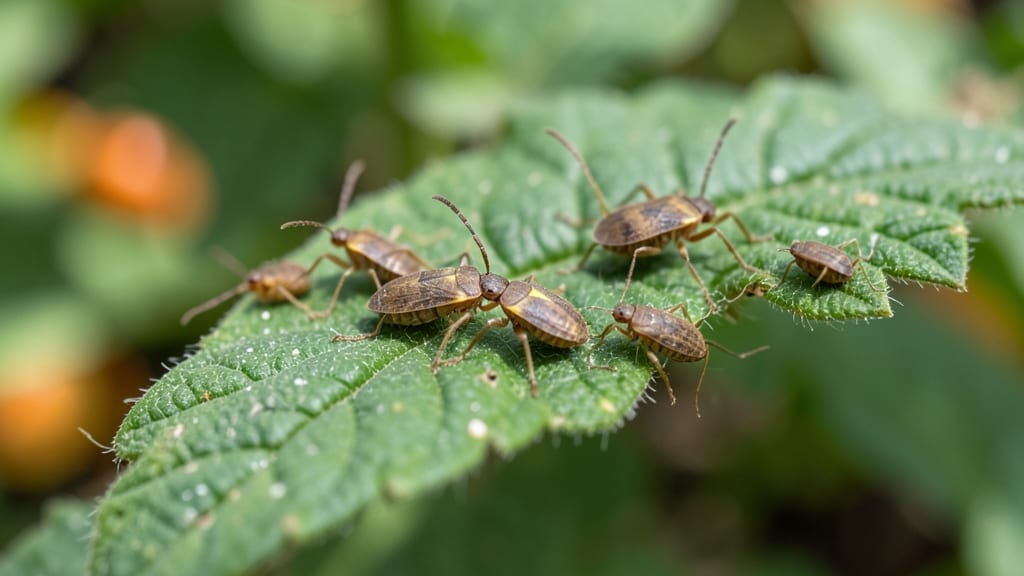
Those tiny brown bugs on your tomato plants could be flea beetles, thrips, or even aphids—and ignoring them means smaller harvests and stressed plants. 🌱 I’ve battled them three summers in a row, and the first step is knowing exactly what you’re dealing with before they ruin your crop.
The damage starts small: chewed leaves, stunted growth, or silvery streaks where they feed. Most gardeners wait too long, but acting fast—within 24-48 hours—makes all the difference. Flea beetles jump like popcorn when disturbed, while thrips leave black speckles on fruit.
You’ll eliminate them with a mix of neem oil sprays, row covers, and handpicking (yes, it works). I’ve tried everything from soapy water to beneficial nematodes, and these methods stop them without harming your tomatoes or the soil.
Prevention is easier than cleanup: mulch heavily, rotate crops, and plant basil or marigolds nearby to repel them. If the infestation spreads beyond your garden, call a local pest control pro—they’ll know when to use stronger measures.
Root Causes Of Tiny Invaders
When those tiny brown bugs start feasting on your tomato plants, it’s rarely a random act of nature—it’s usually the result of specific environmental or garden-related triggers. Understanding these causes is the first step to stopping the infestation before it ruins your harvest.
Below, we break down the most common reasons these pests show up in your garden, along with the science behind their behavior.
Tomato plants under stress are like an all-you-can-eat buffet for pests. When plants are crowded, overwatered, or nutrient-deficient, their natural defenses weaken, making them more appealing to insects like aphids, spider mites, or fungus gnats. These pests thrive on stressed foliage because it’s easier for them to:
- Pierce weak cell walls (aphids and whiteflies)
- Lay eggs in damp, decaying matter (fungus gnats)
- Feed on sap without resistance (stink bugs and thrips)
Why it happens: Stress hormones in plants (like jasmonic acid) signal distress, which can attract pests rather than repel them. Additionally, crowded plants trap moisture, creating the perfect humid microclimate for bugs to breed.
Leaves, stems, and plant debris left on the soil act like a bug hotel—providing shelter, food, and breeding grounds for tiny pests. Many brown bugs, such as stink bugs or earwigs, overwinter in garden debris before migrating to tomato plants in spring.
Even shredded mulch or old plant matter can harbor:
- Eggs from overwintering pests
- Fungal spores that attract fungus-loving bugs
- Decaying organic matter (a protein-rich feast for predators like ground beetles… and their larvae)
Why it happens: Pests follow the food chain. When you leave debris, you’re essentially feeding the food chain below your tomato plants, which then moves up to your harvest. For example, thrips lay eggs in dead leaves, and their nymphs (tiny brown forms) emerge to attack healthy plants.
Temperature and humidity play a huge role in pest populations. Many tiny brown bugs, like fungus gnats or aphids, thrive in:
- Warm, humid conditions (ideal for egg-laying and rapid reproduction)
- Sudden temperature swings (stresses plants, making them more vulnerable)
- Drought followed by heavy rain (creates perfect breeding grounds in soil)
Why it happens: Here’s the science:
- Fungus gnats need moist soil to lay eggs—their larvae then feed on fungal hyphae in the roots.
- Aphids reproduce asexually in warm weather, cloning themselves every 7–10 days.
- Stink bugs seek out ripe fruit when temperatures rise, often migrating from weeds or nearby crops.
If your garden is in a transition zone (like spring or fall), pests take advantage of the weakened plant defenses during these shifts.
Healthy gardens have a balanced ecosystem where predators keep pests in check. But if your soil lacks beneficial insects (like ladybugs, lacewings, or ground beetles), tiny brown bugs can explode in numbers. For example:
- Ladybug larvae devour aphids, but if you’ve used broad-spectrum pesticides, they’re gone.
- Nematodes in the soil control fungus gnat larvae, but synthetic fertilizers can kill them.
- Birds and spiders eat adult stink bugs, but urban gardens often lack their habitat.
Why it happens: Modern gardening practices—like chemical pesticides or monoculture planting—disrupt this balance. When predators disappear, pests like thrips or whiteflies have free rein to multiply.
Sometimes, we accidentally invite the bugs. Here’s how:
- Bringing infected plants from nurseries (many pests hide in soil or stems).
- Using contaminated tools (pruners, stakes, or pots harboring eggs).
- Planting near weeds (dandelions, purslane, or nightshade attract pests that then move to tomatoes).
- Over-fertilizing with nitrogen (promotes soft, sugary leaves that aphids love).
Why it happens: Pests follow food sources and shelter. If you introduce a new plant with hidden eggs or place tomatoes next to a pest magnet** (like basil or marigolds, which can sometimes attract beneficials but also pests), the bugs will hitch a ride.
Quick Fixes for Garden Pests
Tiny brown bugs on your tomato plants can feel like a nightmare, but don’t worry—there are effective, natural ways to tackle them before they ruin your harvest. The key is identifying the culprit first (likely aphids, fungus gnats, or thrips), then applying the right remedy.
Below, we’ll break down targeted solutions for each common pest, plus prevention tips to keep your tomatoes thriving.
Aphids cluster on stems and undersides of leaves, draining nutrients and spreading viruses. Here’s how to evict them fast:
🍳 Homemade Soap Spray (Best for Small Infestations) Mix 1 tbsp mild liquid soap (like Castile) + 1 quart water in a spray bottle.
Test on a few leaves first—aphids hate it and will drop off within hours. Pro tip: 💡 Spray early morning or late evening to avoid harming beneficial insects like ladybugs.
👨🍳 Introduce Natural Predators (Long-Term Fix)
Ladybugs, lacewings, and parasitic wasps love aphids. Buy them online or attract them by planting dill, fennel, or marigolds nearby.
🥘 Prune & Destroy Heavily Infested Leaves
Cut off badly damaged leaves (especially new growth) and dispose of them in sealed bags—don’t compost! This stops the cycle.
These tiny brown bugs breed in moist soil, attacking roots and seedlings. Dry them out and disrupt their life cycle:
🔪 Yellow Sticky Traps (Catches Adults)
Place yellow cards coated with petroleum jelly near plants. Fungus gnats are drawn to yellow and get stuck—reduce adults by 50% in a week.
🌡️ Let Soil Dry Between Waterings
Fungus gnats thrive in soggy soil. Water only when the top inch is dry, and use well-draining pots if growing in containers.
✨ Beneficial Nematodes (Microscopic Allies)
Mix beneficial nematodes (like Steinernema feltiae) into water and apply to soil. They seek out and kill larvae without harming plants. Pro tip: 💡 Apply at dusk for best results—nematodes work best in cooler soil.
Thrips leave silver streaks on leaves and stunt fruit growth. Smother them with these tricks:
🍳 Neem Oil Spray (Organic Knockdown)
Mix 1 tsp neem oil + 1 tsp mild soap + 1 quart water. Spray every 5–7 days until gone. Thrips can’t survive this treatment. Warning: 🌡️ Avoid spraying in direct sun—it can burn leaves.
🔪 Remove & Destroy Webbing
Thrips create fine webbing on leaves. Wipe them down with a damp cloth or rinse with water to physically remove them.
🎯 Row Covers (Prevent Future Attacks)
Use fine mesh row covers over young plants to block adults from laying eggs. Remove when flowers appear to allow pollination.
The best defense? Healthy plants + smart gardening. Try these proactive steps:
| Prevention Tip | How to Do It |
|---|---|
| 🌱 Healthy Soil | Add compost and worm castings for strong roots that repel pests. |
| 💧 Water at the Base | Avoid leaf-wetting (encourages fungus gnats). Use drip irrigation. |
| 🌿 Companion Planting | Plant basil, garlic, or onions near tomatoes—they repel bugs naturally. |
| 🧹 Clean Up Debris | Remove fallen leaves and weeds where pests hide. |
| 🔄 Crop Rotation | Don’t plant tomatoes in the same spot yearly—breaks pest cycles. |
Final Thought: Most tiny brown bugs can be eliminated within 2–4 weeks with consistent action. Check plants daily, act fast, and soon you’ll be enjoying juicy, pest-free tomatoes! 🍅✨
Frequently asked questions
What are those tiny brown bugs jumping around my tomato plants?
They’re likely flea beetles—tiny, jumping pests that chew small holes in leaves. Look for shotgun-like damage on foliage. They’re most active in warm weather and can devastate young seedlings if left unchecked.
Can I use regular dish soap to kill these bugs?
Yes, but use mild liquid soap (like Castile) mixed with water—1 tablespoon per quart. Spray directly on bugs and leaves, but avoid overusing it as it can harm beneficial insects. Reapply every 3-5 days for best results.
Why do I keep seeing brown bugs even after treating my plants?
These pests have fast life cycles—some lay hundreds of eggs that hatch quickly. Check soil for larvae, use yellow sticky traps for adults, and consider beneficial nematodes to target hidden larvae in the roots.
Will neem oil work on tiny brown bugs in my garden?
Neem oil is highly effective against many brown bugs like thrips and aphids. Mix 1 teaspoon neem oil + 1 teaspoon mild soap + 1 quart water and spray thoroughly. Apply in the evening to prevent leaf burn from sunlight.
How can I prevent these bugs from coming back next year?
Start with cleanup: Remove all plant debris and weeds where pests overwinter. Use row covers early in the season, practice crop rotation, and plant companion plants like basil or marigolds. Healthy soil with compost also builds plant resilience.