
Plants
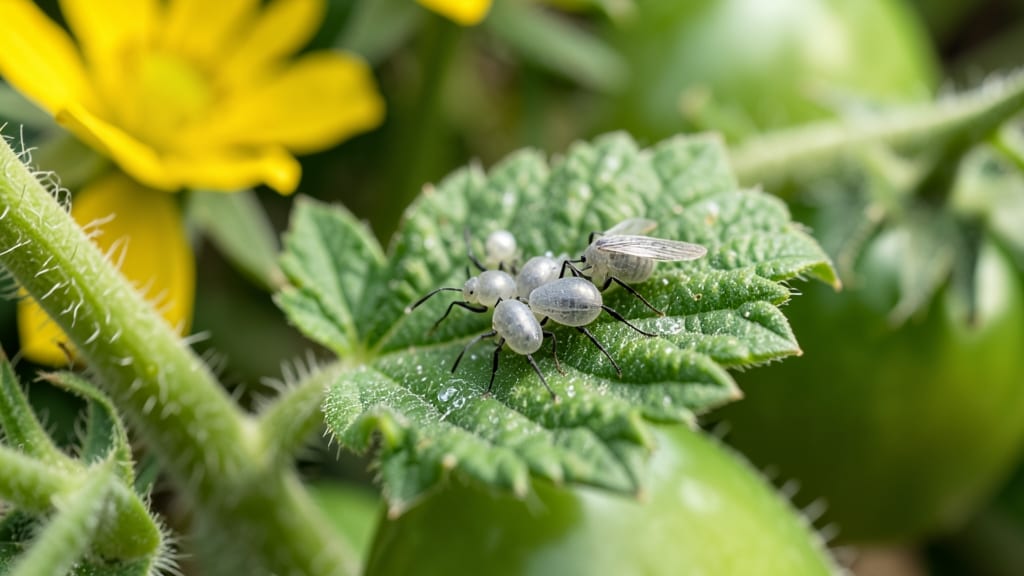
Tiny bugs on tomato plants can turn your lush vines into a buffet for pests like aphids, spider mites, or whiteflies. 🌱 I’ve lost entire harvests to these sneaky invaders—until I learned the organic tricks that actually work without harsh chemicals.
The key isn’t just spraying; it’s understanding their lifecycle and hitting them at the right time. Most gardeners panic and grab the strongest spray, but that often backfires.
These bugs thrive in dry, dusty conditions, so a simple water blast with a hose (early morning or evening) can knock them off before they multiply. For stubborn clusters, neem oil or insecticidal soap—applied when plants are dry—disrupts their feeding without harming your tomatoes.
You’ll see results within 3-5 days if you catch them early: fewer sticky residue, no webbing, and plants that bounce back with vibrant green leaves. The secret is consistency—check undersides of leaves weekly, especially after rain or heatwaves.
This method works for all tomato varieties, from cherry to beefsteak, and keeps your garden healthy without toxic residues. Let’s get those plants thriving again!
Root Causes Behind Tiny Invaders
Tiny bugs on tomato plants aren’t just a random annoyance—they’re usually a sign of specific environmental or plant-related triggers. Understanding these causes helps you take targeted action before the problem spirals out of control. Let’s break down the most common reasons these pests show up in your garden.
Tomato plants that are overcrowded or nutritionally stressed become prime targets for tiny pests. When plants compete for sunlight, water, and nutrients, their natural defenses weaken, making them more vulnerable to insects like aphids, spider mites, or whiteflies.
- Why it happens: Crowded plants have less chlorophyll production, reducing their ability to repel pests. Stress from poor soil, drought, or overwatering also triggers the release of volatile organic compounds (VOCs), which attract insects.
- Actionable fix:
- Space tomato plants 18–24 inches apart for proper airflow.
- Test soil pH (aim for 6.0–6.8) and amend with compost or organic fertilizer.
- Water at the base of the plant (not overhead) to avoid fungal stress.
Leaves, weeds, and plant debris create hiding spots and breeding grounds for tiny pests. Many insects, like thrips or fungus gnats, thrive in moist, decaying organic matter near tomato roots.
- Why it happens: Decaying plant material provides shelter and food for larvae and eggs. Weeds also act as alternative hosts, allowing pests to multiply before moving to your tomatoes.
- Actionable fix:
- Remove fallen leaves and weeds regularly (especially under plants).
- Mulch with straw or wood chips (not fresh grass clippings) to deter pests.
- Rotate crops yearly to disrupt pest life cycles.
Extreme heat, drought, or sudden temperature drops stress tomato plants, making them more attractive to pests. For example, aphids and whiteflies flourish in hot, dry conditions because stressed plants produce more sugary sap—a buffet for these insects.
| Condition | Pest Likely to Appear | Why It Happens |
|---|---|---|
| Drought stress | Aphids, Spider Mites | Plants release more sugars in leaves to conserve water, attracting sap-sucking bugs. |
| High humidity | Fungus Gnats, Whiteflies | Moisture-rich environments speed up larval development. |
| Cold snaps | Thrips, Leafminers | Sudden temperature drops weaken plant immunity, making them easier targets. |
Actionable fix:
- Use shade cloth (30–50%) during heatwaves to reduce stress.
- Install a drip irrigation system for consistent moisture (avoid overhead watering).
- Choose heat-tolerant tomato varieties (e.g., ‘Solar Fire’ or ‘Heatmaster’).
Tiny bugs often appear when their natural predators (like ladybugs, lacewings, or parasitic wasps) are absent. These beneficial insects help keep pest populations in check—but if your garden lacks biodiversity, pests can explode.
- Why it happens: Monoculture gardens (planting only tomatoes) or heavy pesticide use eliminate predator habitats. Without enough food sources (like pollen or other insects), predators move on.
- Actionable fix:
- Plant companion plants like basil, marigolds, or dill to attract predators.
- Avoid broad-spectrum pesticides (they kill both pests and predators).
- Install a bee or insect hotel to support beneficial species.
By addressing these root causes, you’ll starve out tiny invaders before they become a full-blown infestation. The key? Prevention through healthy plants and smart garden habits.
How to Fix Tiny Tomato Plant Pests
Tiny bugs on your tomato plants can feel like a never-ending battle, but with the right organic solutions, you can reclaim your garden without harsh chemicals. Below, we’ve mapped out practical fixes for the most common culprits—from aphids to spider mites—along with prevention tips to keep your plants thriving.
Let’s tackle these pests step by step!
---
Fix: These tiny green, black, or white bugs cluster on new growth and leaves, leaving behind sticky residue (honeydew). Here’s how to evict them:
- 🔥 Blast Them Away Use a strong stream of water from your hose to dislodge aphids from leaves and stems. Repeat every 2–3 days until they’re gone. Pro tip: 💡 Do this in the early morning so the plants dry quickly, reducing fungal risks.
- 🍳 Soapy Water Spray Mix 1 tsp mild liquid soap (like Castile) + 1 quart water in a spray bottle. Dab or spray directly on aphids (avoid overspraying flowers to protect pollinators). Pro tip: 🌡️ Test on a small leaf first—some plants are sensitive to soap!
- 👨🍳 Introduce Beneficial Insects Ladybugs, lacewings, and parasitic wasps love aphids. Buy them online or attract them by planting dill, fennel, or marigolds nearby.
- 🥘 Neem Oil Barrier Spray neem oil solution (1 tbsp neem oil + 1 tsp soap + 1 quart water) on both sides of leaves to suffocate aphids and deter future infestations.
Prevention: ✨ Encourage airflow by pruning crowded foliage. ✨ Inspect new plants before bringing them home—quarantine them for a week if needed.
---
Fix: These red or yellow speckled pests thrive in dry heat, spinning fine webs on undersides of leaves. Combat them with:
- 🔥 Water Mist Spray Spider mites hate humidity. Lightly mist plants daily (especially undersides) to create an unfavorable environment. Pro tip: ⏰ Do this in the evening to prevent rapid evaporation.
- 🍳 Neem Oil or Horticultural Oil Mix 2 tbsp neem oil + 1 tsp soap + 1 gallon water and spray thoroughly, including webs. Reapply every 5–7 days for 2–3 weeks.
- 👨🍳 Predatory Mites Release Phytoseiulus persimilis (a beneficial mite) feasts on spider mites. Order them online and release them in the early morning when humidity is high.
- 🥘 Diatomaceous Earth (DE) Dust Lightly dust food-grade DE on leaves (wear a mask!). It dehydrates mites but is safe for plants. Reapply after rain.
Prevention: ✨ Mulch heavily to retain soil moisture and reduce stress on plants. ✨ Avoid over-fertilizing with nitrogen—it attracts spider mites.
---
Fix: These tiny white moth-like bugs flutter when you disturb leaves and leave sticky residue. Try these organic tricks:
- 🔥 Yellow Sticky Traps Hang yellow cards coated with petroleum jelly near plants to trap adults. Check and replace traps weekly.
- 🍳 Soap Spray + Kaolin Clay Combine 1 tbsp soap + 1 tbsp kaolin clay + 1 gallon water. Spray directly on leaves to smother eggs and adults. Pro tip: 🎯 Clay also repels other pests like beetles!
- 👨🍳 Beneficial Wasps (Encarsia Formosa) These tiny parasitic wasps lay eggs inside whitefly pupae. Release them in the afternoon for best results.
- 🥘 Reflectant Mulch Cover the ground with silver or aluminum mulch to confuse and repel whiteflies with reflected light.
Prevention: ✨ Remove infested leaves immediately—don’t compost them! ✨ Avoid overwatering—whiteflies love damp, crowded conditions.
---
Fix: These dark, mosquito-like bugs hover near soil and lay eggs in moist potting mix. Stop them with:
- 🔥 Let the Soil Dry Out Allow the top 1–2 inches of soil to dry between waterings. Fungus gnats can’t survive in dry conditions.
- 🍳 Yellow Sticky Traps (Again!) Place traps right above the soil to catch emerging adults.
- 👨🍳 Beneficial Nematodes Steinernema feltiae nematodes hunt fungus gnat larvae in the soil. Apply them after watering for best results.
- 🥘 Coffee Grounds or Sand Mix used coffee grounds or coarse sand into the top inch of soil to improve drainage and deter egg-laying.
Prevention: ✨ Use pots with drainage holes and terracotta saucers (not sealed trays). ✨ Water at the base instead of overhead to avoid creating a gnat-friendly environment.
--- - 💡 Rotate crops every few years to break pest cycles. - 🌡️ Monitor plants regularly—catch infestations early! - 🎯 Plant companion plants like basil, garlic, or nasturtiums to repel pests naturally. - ✨ Keep your garden tools clean to avoid spreading pests between plants.
--- With these targeted, organic solutions, you’ll send those tiny troublemakers packing—without sacrificing your tomato harvest (or your conscience!). Happy gardening! 🍅🌿
Frequently asked questions
Why do tiny bugs appear suddenly on my tomato plants?
Sudden outbreaks usually happen when plants are stressed from drought, overcrowding, or poor nutrition. These conditions weaken defenses, making tomatoes more attractive to pests like aphids or spider mites. Check for yellowing leaves or stunted growth—signs your plants need better care.
Can I use vinegar to kill tiny bugs on tomato plants?
White vinegar can help as a natural insecticide**, but use it carefully. Mix 1 part vinegar + 1 part water + 1 drop dish soap and spray only on affected leaves (avoid flowers). Test on a small area first—vinegar can burn plants if too concentrated. Reapply every 3-4 days.
How do I know if the bugs are harmful or beneficial?
Harmful bugs like aphids, spider mites, or whiteflies leave sticky residue, webs, or yellowing leaves. Beneficial insects (like ladybugs or lacewings) have spotted backs or delicate wings and help control pests. Look for signs of damage—if leaves look healthy, the bugs are likely helping!
Will homemade remedies work as fast as store-bought pesticides?
Homemade solutions like neem oil or soapy water take 5-7 days to show results, while chemical pesticides act faster (24-48 hours). However, organic methods are safer for pollinators and soil health. For severe infestations, combine remedies (e.g., water blast + neem oil) for better control.
Can tiny bugs survive winter on my tomato plants?
Most tiny pests die in freezing temperatures, but some (like aphid eggs) can survive mild winters. Clean up plant debris in fall and remove dead leaves—this starves overwintering bugs. If you’re in a warm climate, use neem oil in late fall as a preventative spray.