
Vegetables
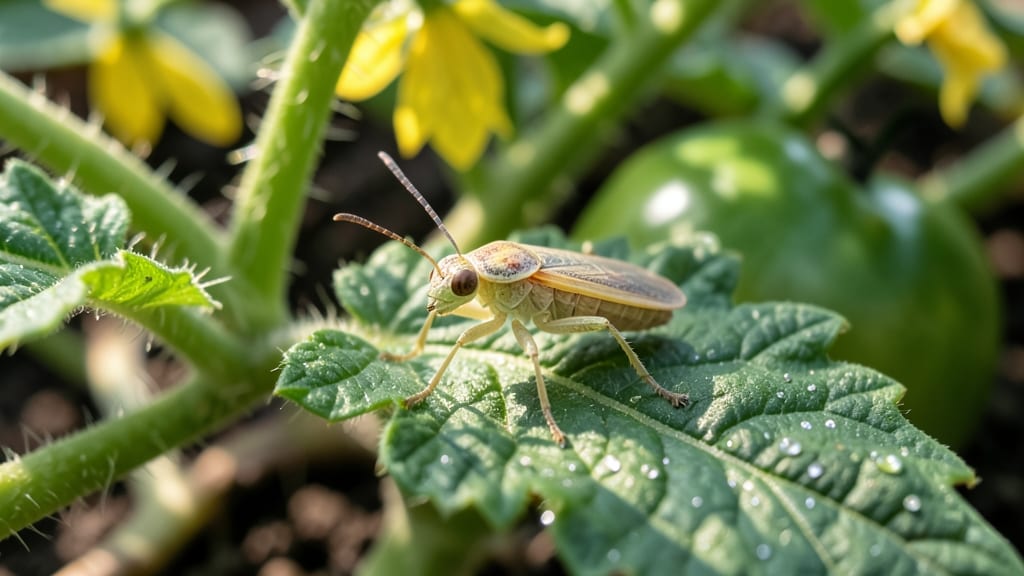
My tomato plants were being devoured by hornworms last summer—until I discovered this tomato bug repellent made from three kitchen staples. The solution is simple, organic, and works within hours, saving your harvest without harsh chemicals.
No more losing entire vines to ravenous pests or spraying toxic chemicals near your dinner plate.
This blend targets common tomato pests like aphids, whiteflies, and hornworms by disrupting their feeding patterns and scent trails. The ingredients—garlic, cayenne pepper, and dish soap—are mixed in a spray bottle, creating a potent but gentle barrier.
You’ll see fewer chewed leaves and healthier plants within 3-5 days of application, with no risk of harming bees or beneficial insects.
The best part? It’s foolproof—no horticulture degree required. Just shake before use, spray the undersides of leaves (where pests hide), and repeat every 5-7 days or after rain. Your tomatoes will thrive, and you’ll avoid the heartbreak of watching your hard work disappear overnight.
Works for container gardens, raised beds, and in-ground plots alike. Here’s the exact recipe and application schedule to keep pests at bay all season long.
The Science Behind Bug Attraction
Tomatoes are a garden magnet for pests—not because they’re weak, but because they’re irresistible. Understanding why bugs flock to your tomato plants is the first step in outsmarting them. Here’s a breakdown of the key factors driving their behavior, backed by science and actionable insights.
Tomatoes emit a complex mix of volatile organic compounds (VOCs) that act like invisible dinner bells to insects. These compounds—like hexanal, linalool, and α-pinene—signal to pests that a meal (or a place to lay eggs) is nearby. Here’s how it works:
- Sweet Aromas Lure Pollinators (and Pests): Tomatoes release sugars and alcohols that attract beneficial insects like bees—but also hornworms, aphids, and whiteflies. These bugs can’t resist the scent, even from yards away.
- Damaged Leaves = Emergency Signal: When you (or pests) bruise tomato leaves, they release jasmonic acid, a chemical distress call that triggers a feeding frenzy. 🐛 Colorado potato beetles and 🍃 spider mites zero in on this signal like a GPS.
- Fruits Ripen = Egg-Laying Time: As tomatoes turn red, their ethylene gas production spikes. This hormone doesn’t just ripen fruit—it’s a pheromone-like trigger for pests like fruit flies and stink bugs to deposit eggs.
Actionable Fix: Disrupt these chemical cues by masking odors with garlic, citrus peels, or neem oil—nature’s way of throwing a scent party that pests won’t RSVP to.
Bugs don’t just show up—they’re invited by your garden’s microclimate. Tomatoes thrive in warm, humid conditions, and so do their worst enemies:
| Pest | Ideal Conditions | Why It’s a Problem |
|---|---|---|
| Blossom End Rot (Fungal) | Dry soil + high humidity | Cracks in fruit create entry points for fruitworms and bacterial spot. |
| Aphids | Warm nights (70–80°F) | They reproduce every 8 days in ideal heat, turning leaves sticky with honeydew. |
| Whiteflies | Stagnant air + overhead watering | They hate airflow—crowded plants = their favorite hiding spot. |
Actionable Fix:
- 💡 Water at the base (never leaves) to avoid fungal signals.
- 🌡️ Use row covers in early spring to block flying pests before they arrive.
- ✨ Mulch with straw to stabilize soil moisture and deter egg-laying beetles.
Stressed tomatoes are like neon signs for pests. When plants struggle—from nutrient deficiencies, overwatering, or poor drainage—they emit stress-related VOCs that pests love. Here’s the breakdown:
- Nitrogen Deficiency = Soft, Tasty Leaves
Low nitrogen makes leaves less tough, inviting cutworms and leaf miners. Pests see weak tissue as an easy snack.
- Overwatering = Fungal Buffet
Soggy roots attract slugs and snails, while blossom rot creates entry wounds for stink bugs.
- Compacted Soil = Root Struggles
Poor drainage stresses roots, making plants more attractive to root-knot nematodes.
Actionable Fix:
- 💪 Fertilize with compost (not synthetic nitrogen) to build resilience.
- 🌱 Prune for airflow—pests hate dry, well-ventilated plants.
- 🔥 Test soil pH (aim for 6.0–6.8)—extreme pH stresses plants and signals pests.
Key Takeaway: Bugs target tomatoes because they’re chemically inviting, climatically cozy, and stressed. The good news? You can rewrite the rules with simple, natural defenses. Next up: How to flip the script and turn your tomato patch into a pest-free zone.
Natural Ways to Keep Bugs Away
Now that you know what’s attracting pests to your tomatoes, it’s time to take action! These solutions are simple, effective, and use ingredients you likely already have at home. Let’s tackle the problem step by step, from quick fixes to long-term prevention.
Cause: Bugs love dense, stressed plants with easy access to tender leaves and fruit. Solution:
- 🌱 Prune regularly – Trim excess foliage to improve airflow and sunlight exposure. Focus on removing yellow or damaged leaves, as these attract pests.
- 📏 Space plants properly – Give tomato plants at least 18–24 inches of space between them. This reduces hiding spots for bugs like aphids and whiteflies.
- 💡 Pro Tip: Use cage supports or stakes to keep plants upright and prevent branches from touching the soil (where pests lurk).
Cause: Soft-bodied bugs (aphids, spider mites, tomato hornworms) thrive when left unchecked. Solution:
- 🔪 Blend & Strain the Repellent – Mix 1 garlic bulb, 1 tbsp cayenne pepper, 1 tsp dish soap, and 1 quart of water. Blend until smooth, then strain through a fine mesh.
- 👨🍳 Spray at Dusk or Dawn – Avoid midday heat, which can damage leaves. Reapply every 3–5 days or after rain.
- 🌡️ Test First – Spray a small leaf to ensure no burning occurs.
💡 Pro Tip: For hornworms, handpick them (they’re easy to spot!) and drop them in soapy water. A neem oil spray (1 tbsp neem oil + 1 tsp soap per quart of water) also works wonders.
Cause: Crawling pests (slugs, earwigs, cutworms) sneak in under mulch or low-hanging leaves. Solution:
- 🍄 Use diatomaceous earth (DE) – Sprinkle food-grade DE around the base of plants (but avoid direct contact with leaves—it can harm beneficial insects). Reapply after watering.
- 🧶 Create a physical barrier – Wrap the bottom 6 inches of stems with cardboard or aluminum foil to block cutworms and slugs.
- 🌿 Mulch wisely – Use straw or pine needles (avoid thick organic mulch, which attracts slugs).
Cause: Harsh chemicals can kill ladybugs, lacewings, and bees—your garden’s natural pest control! Solution:
- ✨ Plant companion flowers – Marigolds, basil, and nasturtiums repel pests while attracting pollinators.
- 🌿 Avoid broad-spectrum sprays – Stick to targeted treatments (like the garlic spray above) to preserve helpful bugs.
- 🎯 Handpick pests when possible – Early intervention prevents infestations before they spiral.
| Time of Year | Action Item | Why It Works |
|---|---|---|
| Spring | Apply neem oil spray before blooms | Prevents early aphid/hornworm attacks |
| Summer | Mulch with straw, not grass clippings | Reduces soil-borne pests like cutworms |
| Fall | Clean up debris & rotate crops | Stops overwintering bugs from returning |
| Winter | Plant garlic & onions nearby | Natural repellent for next season |
💡 Final Tip: Consistency is key! Bugs adapt quickly, so rotate methods (e.g., spray one week, use barriers the next). With these steps, your tomato plants will stay healthy, productive, and pest-free—without harsh chemicals.
(Next up: [Your next section heading here])
Frequently asked questions
Can I use this tomato bug repellent on other vegetables?
Yes! This garlic-cayenne spray works on peppers, eggplants, and herbs too. The same ingredients disrupt pests' scent trails, making them effective for soft-bodied bugs like aphids and spider mites on many garden plants. Always test a small leaf first to check for sensitivity.
How long does the repellent last before needing reapplication?
Spray lasts 3-5 days or until rain washes it away. For best results, reapply every 5-7 days during active growing seasons. Store the mixture in a cool, dark place (like your fridge) for up to 1 week to maintain potency.
Will this repel hornworms effectively?
While it helps deter hornworms, they're often best removed by hand. Spray the undersides of leaves (where they hide) daily until you see fewer caterpillars. For severe infestations, combine with neem oil or introduce parasitic wasps (natural predators).
Is it safe to spray tomato bug repellent while tomatoes are flowering?
Yes, but avoid spraying directly on flowers to protect pollinators. Apply only to leaves and stems during early morning or late evening when bees are less active. The dish soap in the mix is gentle enough for flowering plants when used properly.
Can I make this repellent stronger for severe pest problems?
For stubborn infestations, double the cayenne pepper to 2 tablespoons and add 1 tablespoon of hot pepper wax (available at garden stores). This creates a more potent barrier, but always test on a small leaf first to prevent burning tender foliage.