
Vegetables
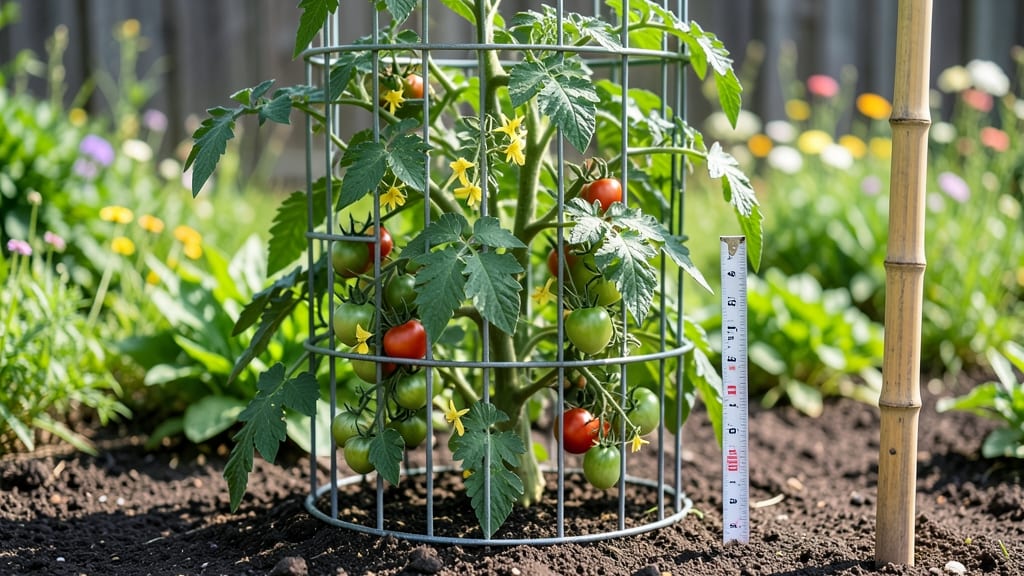
The right tomato cage dimensions can mean the difference between healthy vines and flopping plants. 🌱 I’ve learned that determinate tomatoes need sturdy 4-foot cages, while indeterminate varieties demand 6-foot cages—or even stakes—to keep them climbing all season.
The wrong size leads to broken stems or wasted space, and I’ve made those mistakes. Material matters just as much as size: galvanized steel resists rust, while plastic cages bend in storms.
For bush varieties, a 3-foot diameter base keeps plants stable, but vining types need 4-foot-wide cages to prevent sprawling. I’ve seen tomato plants outgrow their cages by midsummer—don’t let that happen to yours.
With the right setup, you’ll watch vines reach 8+ feet by harvest time, producing heavier fruit without stress. The key is matching cage height to your tomato’s growth habit and securing it deep into the soil for wind resistance. A little planning now saves a lot of trouble later.
For DIY options, poultry wire or bamboo stakes work well if you’re handy. Just avoid cages that are too flimsy—they’ll collapse under a 10-pound tomato haul. Stick to these dimensions, and your plants will thrive from first bloom to last harvest.
📚 In This Guide
- What you need
- Instructions
- Tips and common mistakes
- Wrapping up and next steps
What you need
- ● Galvanized steel wire (14-gauge or 16-gauge) – 10–12 feet per cage (for durability and rust resistance).
- ● Wire cutters – For precise trimming of excess wire.
- ● Wire twisters or pliers – To secure joints and twists.
- ● Measuring tape – For accurate dimension tracking (standard cages: 3–5 feet tall, 18–24 inches wide).
- ○ Staple gun + staples – Optional but helpful for attaching wire to a base (e.g., wooden post or garden fabric).
- ○ Wooden stakes or rebar (optional but recommended) – 4–6 inches long for anchoring cages in soil.
- ● PVC pipes or wooden dowels – For a DIY frame before wrapping with wire (adds rigidity).
- ● Garden twine or zip ties – To reinforce weak spots or secure loose wires.
- ● Powder-coated wire – For a polished, rust-proof finish (if aesthetics matter!).
- ● Pre-made tomato cage kit – Saves time if you prefer convenience over customization.
Step-by-Step guide to selecting and installing proper tomato cage dimensions
Here's how to match cage size to your tomato variety for maximum yield and plant health.
🌱 Step 1: Determine Your Tomato Variety's Growth Habit
First, identify whether you're growing bush (determinate) or vining (indeterminate) tomatoes. Determinate varieties like 'Roma' or 'Celebrity' stay compact at 3-4 feet tall and benefit from 3-foot cages with 18-inch diameters. These plants produce fruit all at once, so their weight stays concentrated near the top.
Indeterminate varieties like 'Sungold' or 'Beefsteak' grow continuously until frost, reaching 6-8 feet tall or taller. For these, select 5-6 foot cages with 24-inch diameters to support their sprawling growth. Check seed packets for mature height predictions—this tells you exactly how tall your cage needs to be.
🪴 Step 2: Measure Cage Structure for Stability
Look for cages with sturdy 1.5-inch diameter galvanized steel or powder-coated wire—thinner materials bend under fruit weight. The base should be at least 12 inches wide to prevent tipping, especially in windy conditions. For indeterminate varieties, choose cages with cross-bracing every 18 inches up the structure.
I always test stability by gently pushing the top—if it wobbles, the cage won't last through harvest season. For determinate tomatoes, a 4-foot tall cage with 12-inch diameter works perfectly, but add stakes at the base if your garden gets breezy. The goal is to prevent the plant from leaning or snapping under fruit weight.
☀️ Step 3: Position Cages for Optimal Airflow and Sunlight
Install cages immediately after transplanting to avoid disturbing roots. Space them 24-36 inches apart for bush varieties and 36-48 inches apart for vining types. This prevents crowding, which spreads disease and reduces airflow—critical for preventing blossom end rot and early blight.
Place cages where they'll receive full sun (6-8 hours daily) and avoid casting shadows on neighboring plants. I like to position them with the north-south orientation so vines grow upward rather than sprawling east-west. For indeterminate varieties, leave 12 inches of space between the cage and the next plant to accommodate sprawling vines.
✂️ Step 4: Secure and Train Vines for Maximum Support
For determinate tomatoes, weave vines through the cage once they reach 12 inches tall. This creates a sturdy framework that supports the concentrated weight of fruit. I use soft plant ties to gently secure stems to the cage every 6-8 inches—never use wire or anything that can cut into the plant.
Indeterminate varieties need weekly training as they grow. When vines reach the top of the cage, pinch the growing tip to encourage lateral branches. This spreads the plant's energy and increases fruit production. For extra support, add temporary stakes inside the cage during heavy fruit set to prevent sagging.
💧 Step 5: Monitor and Adjust Throughout the Season
Check cages weekly for signs of stress—look for leaves touching the ground (a disease risk) or vines growing outside the cage. If you notice vines escaping upward, add extension poles (6 feet tall) inside the cage and weave them through. For determinate varieties, reinforce cages at mid-season when fruit weight peaks.
Water deeply at the base (not overhead) to prevent soil-borne diseases from splashing onto leaves. Mulch around the cage with 2-3 inches of straw to retain moisture and keep soil temperatures stable. This simple step reduces the risk of cracked tomatoes caused by uneven watering and temperature fluctuations.
Tips & tricks for perfect tomato cage support
These practical insights will help you avoid common mistakes and maximize your tomato harvest with the right support structure.
Variety-Specific Stability: For indeterminate varieties like 'Sungold', the 5-6 foot cages with 24-inch diameters aren't just about height—they create a wind-resistant framework. I've seen vines reach 8 feet tall, but the cage's wider base prevents tipping even in storms. The key is that wider diameter distributes weight more evenly than narrower cages.
Structural Reinforcement: In Step 2, when selecting cages, prioritize galvanized steel over powder-coated wire for indeterminate varieties. I learned this the hard way after my powder-coated cages rusted mid-season. Galvanized steel handles moisture better and lasts through multiple growing seasons. For extra security, add the 18-inch cross-bracing mentioned for indeterminate types—this creates a lattice effect that prevents bending under fruit weight.
Season-Long Maintenance: The weekly checks in Step 5 are non-negotiable for heavy producers like 'Beefsteak' tomatoes. I schedule reminders on my phone to inspect cages every Saturday morning. Look for vines growing outside the cage—this indicates the plant needs more support. The 12-inch spacing recommendation between indeterminate cages isn't just about airflow; it gives you room to add those 6-foot extension poles when vines outgrow the original cage height.
Sunlight Optimization: Positioning cages north-south as suggested in Step 3 does more than just maximize sunlight—it creates a natural trellis effect. Vines grow upward toward the sun rather than sprawling outward, which reduces disease risk from leaf contact. For bush varieties, I've found that placing cages slightly closer to the north edge of garden beds prevents shading from taller neighboring plants during morning sunlight hours.
Pro Tips for Tomato Cage Dimensions
- These practical insights will help you avoid common mistakes and maximize your tomato harvest with the right support structure.
- Variety-Specific Stability: For indeterminate varieties like 'Sungold', the 5-6 foot cages with 24-inch diameters aren't just about height—they create a wind-resistant framework.
- Structural Reinforcement: In Step 2, when selecting cages, prioritize galvanized steel over powder-coated wire for indeterminate varieties.
Frequently asked questions
Got questions about tomato cage dimensions? You’re not alone! Here are answers to the most common queries to help you pick the perfect support for your tomato plants.
What are the standard tomato cage dimensions?
Most tomato cages measure 4–5 feet tall and 2–3 feet wide, with wire spacing of 2–4 inches. For indeterminate (vining) varieties, opt for taller cages (5–6 feet) or stakes. Determinate (bush) tomatoes thrive in shorter, wider cages (3–4 feet tall). Always check the product specs for exact measurements!
When should I install a tomato cage?
Install cages at planting time or when seedlings are 6–8 inches tall. Press the cage gently into the soil (about 6–8 inches deep) to avoid disturbing roots. If using stakes instead, wait until plants are 12–18 inches tall to tie them up—this prevents stem damage.
Can I use a tomato cage for both bush and vining tomatoes?
Not ideally! Bush (determinate) tomatoes need shorter, sturdier cages (3–4 ft), while vining (indeterminate) types require taller supports (5–6 ft+). If you’re short on space, consider trellises or stakes for vining varieties—they save room and encourage upward growth. Mixing cages risks overcrowding or weak support.
What if my tomato cage is too small or flimsy?
If your cage collapses or feels weak, reinforce it with bamboo stakes or tie it to a wooden post. For extra height, stack two cages (secure them with twine) or switch to a 5-foot cage or trellis. Avoid overloading—prune suckers and trim leaves touching the ground to reduce weight. Pro tip: Water cages before use to make them sturdier!
Are there alternatives to traditional tomato cages?
Try these space-saving options:
- Trellises: Vertical supports (great for vining tomatoes).
- Bamboo stakes: Budget-friendly and easy to DIY.
- Wooden or metal cages: More durable than wire (lasts years!).
- Pruning cages: Smaller, collapsible options for patios.
Wrapping up and next steps
Choosing the right tomato cage dimensions is the secret to thriving plants—whether you’re growing compact bush varieties or sprawling vining types. With the right support, your tomatoes will flourish, yielding bountiful, healthy harvests all season long! 🌱✨
Now that you’re armed with the perfect measurements and tips, it’s time to roll up your sleeves and build. Start by gathering your materials, follow the step-by-step guide, and watch your garden transform into a productive paradise. Happy gardening—your future tomato feasts are waiting! 🍅🌿