
How To
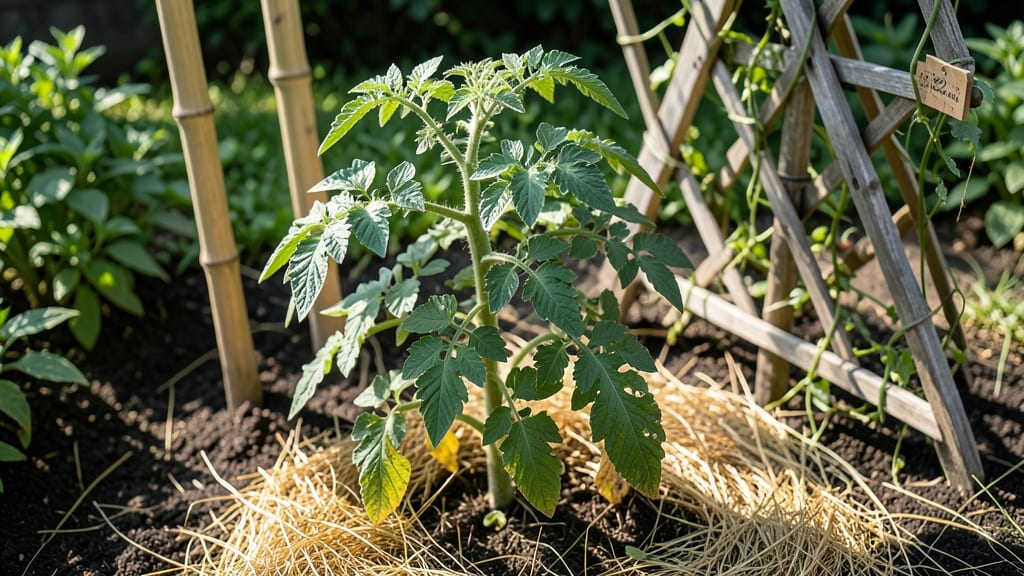
Understanding tomato days to maturity is the first step to planning a harvest that feeds your family all summer long 🍅 — and avoiding the heartbreak of overripe fruit left on the vine.
Picture this: you’ve spent weeks nurturing your seedlings, only to realize too late that your late-summer heatwave arrived just as your tomatoes finally ripened. The numbers on the seed packet aren’t just suggestions—they’re your roadmap to success.
From 45-day wonders like ‘Early Girl’ to 90-day giants like ‘Brandywine,’ each variety has a built-in timeline that tells you exactly when to plant for the best harvest. But here’s the catch: your local climate zone can shift those dates by weeks.
In this guide, I’ll break down how to read those seed packet numbers, match varieties to your growing season, and even adjust your planting schedule to stretch your harvest from June to October—without a single tomato going to waste.
Tomato days to maturity by variety type: early, mid-season, and late harvest timelines
Days to maturity is the golden number on seed packets that tells you when to expect ripe tomatoes—if you plant at the right time. This metric measures how many days it takes from seedling to harvest, helping you match varieties to your growing season. For example, Early Girl matures in just 50 days, while Brandywine takes 85+ days. Choosing wisely means avoiding blighted fruit or empty vines by frost.
Tomatoes fall into three maturity groups: early (45-60 days), mid-season (60-80 days), and late (80+ days). Your USDA hardiness zone dictates which group thrives best. In Zone 5, early varieties might be your only option, while Zone 10 gardeners can grow late-season heirlooms year-round.
Always calculate your frost-free days to avoid planting too late.
Early varieties like 'Stupice' and 'Patio Princess' are perfect for short seasons or container gardens. Mid-season favorites such as 'Celebrity' and 'Sungold' balance yield and flavor, while late bloomers like 'Cherokee Purple' reward patience with rich, complex taste.
Below, explore the best varieties for each group, including size, flavor, and disease resistance—so you can pick the perfect match for your garden.
For short-season gardens (Zones 3-5), prioritize early varieties like 'Early Girl' or 'Patio Princess'. These thrive in 50-60 days and deliver reliable harvests before frost. In contrast, long-season zones (8-10) can support late bloomers like
How to use days to maturity to plan your tomato harvest schedule
Understanding days to maturity is the key to avoiding overripe tomatoes or waiting too long for harvests. This number tells you how many days it takes from planting to your first ripe tomato.
For example, a 60-day variety like 'Early Girl' will produce fruit 60 days after transplanting, while a 90-day heirloom like 'Brandywine' needs nearly triple the time.
Your last spring frost and first fall frost dates define your growing window. In USDA Zone 6a, with an average frost-free season of 165 days, you’ll need to strategically choose varieties and planting times.
A short-season tomato like 'Stupice' (50 days) thrives here, while long-season varieties may need early starts or greenhouse extensions.
5 Pro Tips for Using Days to Maturity
- 📅 Calculate backward: Subtract days to maturity from your first fall frost date to find your last planting window. Example: 90-day tomato in Zone 6a → Plant by July 15.
- 🌱 Stagger plantings: Sow fast-maturing and slow-maturing varieties 2-3 weeks apart for a continuous harvest. Try 'Cherry Tomato' (55 days) followed by 'Beefsteak' (85 days).
- ❄️ Adjust for short seasons: In Zone 5 or cooler, opt for 45-60 day varieties or start seeds 6-8 weeks indoors before last frost.
- 🌡️ Extend your season: Use row covers or greenhouses to add 2-4 weeks to your harvest window for late-season varieties.
- 📝 Label everything: Track planting dates and maturity days on stakes or a garden journal to avoid confusion between varieties.
Start by checking your local frost dates—most extension offices provide this data. For Zone 6a, aim to transplant early varieties (50-60 days) by May 1 and mid-season types (60-80 days) by May 15.
This ensures your first tomatoes ripen in late June or July, just as summer heat peaks.
For succession planting, sow a second batch of fast-maturing seeds 2-3 weeks after your first planting. This creates a rolling harvest that keeps your kitchen stocked. Pair a 55-day cherry tomato with a 70-day slicing tomato for a balanced timeline.
Don’t overlook container gardening—potted tomatoes mature slightly faster due to warmer root zones. Choose determinate varieties (like 'Patio') for containers, as they ripen uniformly and fit compact spaces. Their 60-70 day maturity makes them perfect for balconies or patios.
Finally, monitor your tomato plants’ progress with a growth tracker. Note when flowers appear (usually 45-50 days after transplanting) and adjust watering or fertilizing to speed up fruiting. With this method, you’ll maximize your harvest and minimize waste—no more overripe tomatoes left on the vine! 🍅