
Flowers
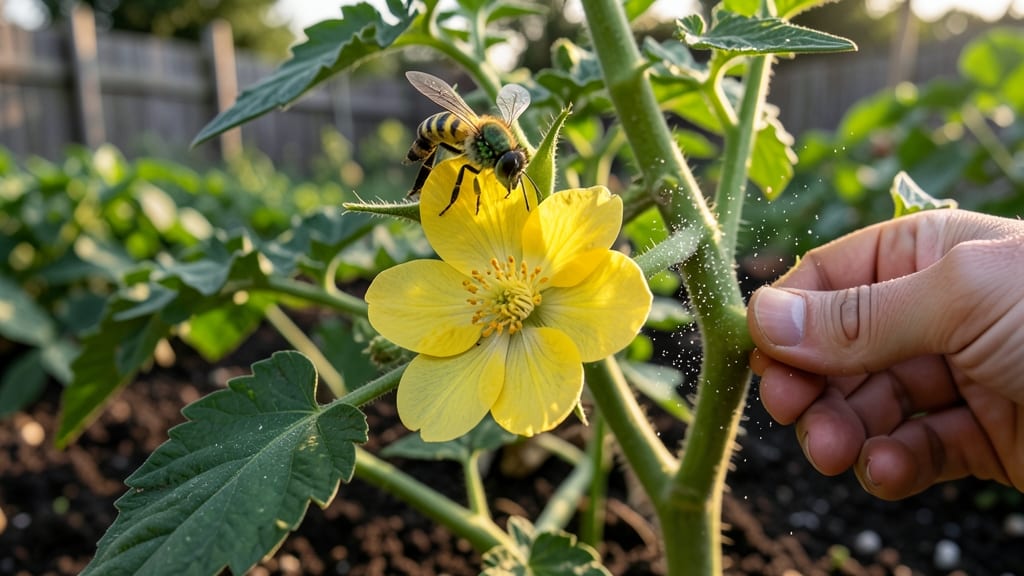
Tomato flower pollination is the secret weapon behind those juicy, beefsteak-sized fruits you dream about. 🌱 I’ve watched my tomatoes go from stubborn little flowers to heavy fruit loads just by understanding how to coax nature’s helpers—or step in myself when they’re not showing up.
The science is simple: wind, bees, or your fingers move pollen from flower to flower. Without it, those blooms drop off, leaving you staring at empty stems. My 5-minute daily habit ensures every flower gets a chance, even when bees are scarce or weather keeps them indoors.
You’ll spot success when flowers start swelling into tiny tomatoes within 3-5 days—no more wasted blooms. The best part? This works for greenhouse tomatoes, patio containers, and even your kitchen windowsill plants. Let’s troubleshoot why some flowers resist pollination and how to fix it before your harvest disappears.
The Hidden Reasons Flowers Fail
Tomato flower pollination is a delicate dance between nature and your garden—and sometimes, things go sideways. 🌱🐝 If your tomato blossoms aren’t setting fruit, the issue likely stems from one (or more) of these common culprits.
Understanding the why behind the problem is the first step to fixing it. Let’s break down the science and what’s really going on in your plants.
Tomatoes are sensitive to temperature swings, especially during flowering. If nighttime temps dip below 55°F (13°C) or daytime highs exceed 90°F (32°C), pollen production and flower viability take a hit.
- Cold shock: Low temps slow pollen development, making it weak or nonviable. Flowers may drop before pollination even happens.
- Heat stress: High temps cause pollen to desiccate (dry out) before it can fertilize the ovary. This is why some gardeners see perfect-looking flowers that just won’t set fruit.
- Actionable fix:
- Use shade cloth (30-50%) to protect plants during heatwaves.
- Choose heat-tolerant varieties like ‘Solar Fire’ or ‘Heatmaster.’
- Water deeply in the early morning to cool soil and air around plants.
Tomatoes rely on bees, hummingbirds, and even wind for pollination—but modern gardening practices can disrupt this process. If your flowers aren’t getting visited, they won’t set fruit.
- Pesticide overuse: Neonicotinoids and broad-spectrum insecticides kill pollinators. Even "organic" sprays can repel bees if overapplied.
- Poor timing: Early morning is peak pollinator activity. If flowers open at night (common in greenhouse tomatoes), they miss natural helpers.
- Monoculture gardens: Planting only tomatoes without pollinator-friendly flowers (like basil, marigolds, or borage) leaves bees with fewer resources.
- Actionable fix:
- Plant bee-friendly companions near your tomatoes (e.g., alyssum, dill, or nasturtiums).
- Apply pesticides only at dusk when pollinators are least active.
- Try hand-pollination with a small paintbrush or by gently shaking plants to dislodge pollen.
Tomatoes need consistent moisture, but fluctuations in watering can cause flowers to abort. Too much or too little water disrupts pollen development and ovary strength.
- Drought stress: Underwatering causes flowers to blossom end rot (though this affects fruit, not pollen directly). Pollen grains may not form properly.
- Overwatering: Soggy soil leads to root rot, which starves the plant of nutrients needed for flower health.
- Uneven watering: Drip irrigation or surface watering can leave lower flowers dry while upper ones thrive, causing inconsistent pollination.
- Actionable fix:
- Use drip irrigation or soaker hoses to deliver water directly to roots.
- Mulch with straw or wood chips to retain moisture and regulate soil temp.
- Avoid watering flowers or leaves—focus on the base of the plant.
Tomatoes are heavy feeders, and a deficiency in key nutrients can lead to poor flower development. Too much of the wrong fertilizer can also cause problems.
| Nutrient Issue | Symptoms | Fix |
|---|---|---|
| Low Phosphorus (P) | Weak stems, dark green leaves, no flowers or small, deformed blossoms. | Apply a balanced fertilizer (10-10-10) or bone meal at planting. |
| Excess Nitrogen (N) | Lush foliage but no flowers. Flowers may form but drop quickly. | Switch to a low-N, high-P fertilizer (e.g., 5-10-10) once flowering starts. |
| Calcium Deficiency | Blossoms abort before setting fruit (common in greenhouse tomatoes). | Add crushed eggshells or calcium nitrate to soil or foliar spray. |
Pro Tip: 💡 Conduct a soil test before planting to avoid guessing. Tomatoes thrive in soil with a pH of 6.0–6.8.
Not all tomato varieties are created equal when it comes to pollination. Some are simply less reliable under certain conditions.
- Determinate vs. Indeterminate:
- Determinate varieties produce all flowers at once, leading to a pollination rush that can overwhelm natural pollinators.
- Indeterminate varieties flower continuously, but if stressed, they may drop blossoms.
- Greenhouse vs. Outdoor: Greenhouse tomatoes (especially in winter) often lack pollinators, requiring manual intervention.
- Actionable fix:
- Choose indeterminate varieties for continuous harvests (e.g., ‘Better Boy’ or ‘Sungold’).
- For greenhouses, hand-pollinate every 2–3 days during peak flowering.
- If using determinate varieties, space plants farther apart to reduce competition for pollinators.
Now that you know the why behind poor pollination, you’re armed to tackle the problem head-on. The next step? Practical fixes to boost fruit set—coming up next! 🍅✨
Fixing Tomato Pollination Problems
When your tomato flowers aren’t setting fruit, it can feel like a gardening mystery—but the solutions are often simpler than you think! Below, we break down common causes and practical fixes to boost pollination and maximize your harvest. 🌱🍅
If your garden is windy, rainy, or overly humid, pollen may not transfer efficiently between flowers.
How to Fix It:
- Hand-pollinate daily 👨🍳: Use a small paintbrush, cotton swab, or even a gentle puff of air to transfer pollen from one flower’s stamen to another’s pistil. Focus on flowers that are just opening in the morning.
- Choose the right variety 🌿: Some tomatoes (like cherry or beefsteak types) produce more flowers and are easier to pollinate than others. Opt for self-pollinating or bee-friendly varieties if weather is unpredictable.
- Create a microclimate 🌡️: Use row covers on windy days to reduce pollen drift, or plant tomatoes near a fence or wall to break up strong winds.
Prevention Tip: 💡 Plant tomatoes in a sheltered spot where they get morning sun and afternoon shade to reduce heat stress, which can also hinder pollination.
Without bees, wind-pollinated tomatoes struggle—especially in greenhouses or urban areas.
How to Fix It:
- Invite pollinators 🐝: Plant companion flowers like marigolds, basil, or borage nearby to attract bees. Avoid pesticides, especially during bloom time.
- DIY pollinator hotel 🏠: Hang a small bee house or leave a shallow dish of water with pebbles for butterflies to sip from.
- Hand-pollinate as backup 🖌️: If bees are scarce, take 5 minutes each morning to gently shake tomato plants or use a brush to transfer pollen.
Prevention Tip: ✨ Avoid neonicotinoid pesticides—they’re toxic to bees and can wipe out your garden’s pollinator population overnight.
Tomatoes need stable temperatures (ideally 65–85°F) to set fruit. Too hot or too cold? Flowers may drop before pollination happens.
How to Fix It:
- Provide afternoon shade 🌞: Use shade cloth (30–50%) on hot days to prevent flower drop. Focus on young plants first—they’re most sensitive.
- Water deeply in the morning 💦: Keep soil consistently moist but not soggy. Stress from drought or sudden temperature swings can cause flowers to abort.
- Use mulch 🌱: A 2–3 inch layer of straw or wood chips keeps roots cool and retains moisture, reducing heat stress.
Prevention Tip: 🎯 Start tomatoes indoors 6–8 weeks before the last frost to ensure they’re strong enough to handle outdoor temperature swings.
Too much nitrogen = lush foliage but fewer flowers and fruit. Tomatoes need a balanced NPK ratio (e.g., 5-10-10) to encourage blooming.
How to Fix It:
- Switch to bloom-boosting fertilizer 🌸: Use a low-nitrogen, high-phosphorus fertilizer (like 5-10-10 or 3-4-6) when flowers appear. Follow package instructions!
- Flush the soil 💧: If you’ve over-fertilized, water heavily to leach excess nitrogen, then switch to a bloom-specific feed.
- Prune suckers strategically ✂️: Remove aggressive suckers to redirect energy toward fruit production instead of leaves.
Prevention Tip: 🔥 Side-dress with compost or bone meal at the first sign of flowers to give phosphorus a natural boost without overdoing it.
Blossom end rot, fungal spots, or pests can ruin flowers before they can be pollinated.
How to Fix It:
- Remove damaged flowers 🧹: Snip off any flowers with spots, wilting, or signs of disease (like early blight) to prevent spread.
- Spray preventatively 🛡️: Use a copper fungicide or neem oil spray every 7–10 days if humidity is high. For pests, try insecticidal soap.
- Improve airflow 🌬️: Space plants 18–24 inches apart and prune lower leaves to reduce humidity around flowers.
Prevention Tip: 💡 Rotate crops yearly—tomatoes are heavy feeders, and replanting in the same spot can deplete soil and invite diseases.
Final Pro Tip: 🌟 Check flowers in the morning!* Pollen is freshest and most effective for hand-pollination right after dew dries. A quick 10-minute daily routine can double your tomato yield. 🍅✨
Frequently asked questions
Why do some tomato flowers drop before setting fruit?
Flower drop usually happens due to temperature stress (below 55°F or above 90°F) or poor pollination. Tomatoes also drop flowers when they experience sudden changes in watering or nutrient imbalances, especially excess nitrogen. Check for consistent moisture and balanced fertilizer (like 5-10-10) during flowering.
How do I know if my tomato flowers are successfully pollinated?
Look for the pistil (the yellow center) to swell and turn white within 3-5 days after pollination. The flower will then wilt and fall off, leaving a tiny green tomato behind. If flowers stay open without wilting, pollination likely failed.
Can I use a paintbrush for hand-pollination indoors?
Yes! A small, soft paintbrush works perfectly for indoor tomatoes. Gently brush the stamens (pollen-producing parts) of one flower onto the pistil (center) of another. Do this in the morning when pollen is freshest—it takes just 2 minutes per plant!
What's the best time of day for hand-pollination?
Morning is ideal—between 7-10 AM when dew has dried but temperatures are still cool. This is when pollen is most viable. Avoid pollinating in extreme heat (90°F+) or after rain, as pollen can wash away or dry out too quickly.
Will my greenhouse tomatoes need manual pollination?
Greenhouse tomatoes often lack natural pollinators. Use a small electric hand pollinator (like a mini paintbrush motor) or gently shake plants to dislodge pollen. For large greenhouses, pollinate every 2-3 days during peak flowering to ensure consistent fruit set.