
Vegetables
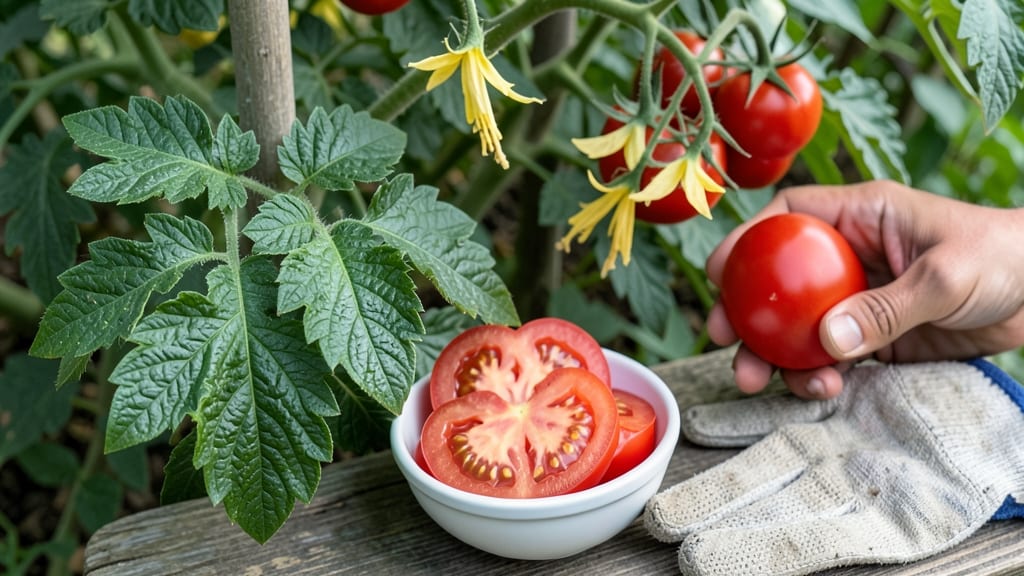
Tomato food sensitivity can cause skin rashes, digestive upset, or breathing problems because tomatoes contain compounds like solanine, histamines, or salicylates. To manage it, avoid tomatoes and similar foods like peppers and eggplants, and opt for safer garden vegetables such as zucchini, green beans, or lettuce instead.
If you're dealing with tomato food sensitivity, you're not alone—many people experience reactions to nightshade vegetables due to their natural compounds. 🌱 The good news is that these symptoms often improve with elimination, and there are plenty of flavorful alternatives.
For instance, zucchini and green beans offer similar textures in cooking but without the problematic compounds. I've found that swapping tomatoes for roasted eggplant (in small amounts) can sometimes work for mild sensitivities, though it's always best to test carefully.
What's interesting is that even tomato varieties can differ in sensitivity levels. Heirloom tomatoes, for example, may contain slightly different compound profiles than hybrid varieties, so experimenting with specific types might help some individuals.
When gardening, consider companion planting—basil and marigolds can improve growth for your safe alternatives while repelling pests naturally.
💡 In This Article
- Identifying Tomato Sensitivity Triggers in Plants
- Safe Vegetable Alternatives for Sensitive Gardeners
Identifying tomato sensitivity triggers in plants
Tomato sensitivity often stems from three key compounds: solanine (a glycoalkaloid), histamines (natural preservatives), and salicylates (aspirin-like chemicals). Solanine, found in the green parts and skins of tomatoes, acts as a natural insect repellent and can trigger immune reactions in sensitive individuals.
Histamines, which increase as tomatoes ripen, are particularly problematic for those with histamine intolerance, causing symptoms like headaches or hives. Salicylates, present in all parts of the plant, may exacerbate conditions like asthma or eczema in susceptible people.
These compounds develop as tomatoes grow. Unripe tomatoes contain higher levels of solanine, while overripe ones accumulate more histamines. Even the soil plays a role—tomatoes grown in nutrient-rich, slightly acidic soil (pH 6.0-6.8) tend to have lower solanine levels than those in alkaline conditions.
Hybrid varieties like 'Celebrity' or 'Early Girl' are often bred to have milder compound profiles compared to heirlooms like 'Brandywine', which can sometimes contain higher salicylate levels due to their thicker skins and longer growing seasons.
What most people don't realize is that cooking can alter these compounds. Blanching tomatoes for 2-3 minutes before peeling reduces solanine by up to 30%, while fermenting (like in sauces) can break down histamines.
However, frying or grilling at high heat (400°F+) may concentrate salicylates, making them more potent. For sensitive individuals, steaming or light sautéing at 350°F often provides a safer balance between flavor and reduced reactivity.
Cross-reactivity is another critical factor. Tomatoes belong to the nightshade family (Solanaceae), which includes peppers, eggplants, and potatoes. If you're sensitive to tomatoes, your body may also react to these relatives. The proteins in these plants share structural similarities, so your immune system might mistake them for the same trigger.
This is why eliminating all nightshades at once is often recommended during the initial phase of identifying sensitivities.
Here's what to watch for when testing tomato varieties: Start with ½ teaspoon of cooked tomato (like a small spoonful of sauce) and monitor for 24-48 hours. Some people tolerate cherry tomatoes better than beefsteak varieties due to their thinner skins and lower salicylate content.
Keep a food diary to track reactions—symptoms like itching, stomach cramps, or nasal congestion can appear within minutes to hours after exposure.
For gardeners, choosing less reactive plants means focusing on non-nightshade vegetables. While tomatoes are off-limits, alternatives like zucchini or green beans offer similar culinary versatility without the risk. These plants thrive in the same growing conditions (full sun, well-draining soil) but lack the problematic compounds entirely. 🌱