
Vegetables
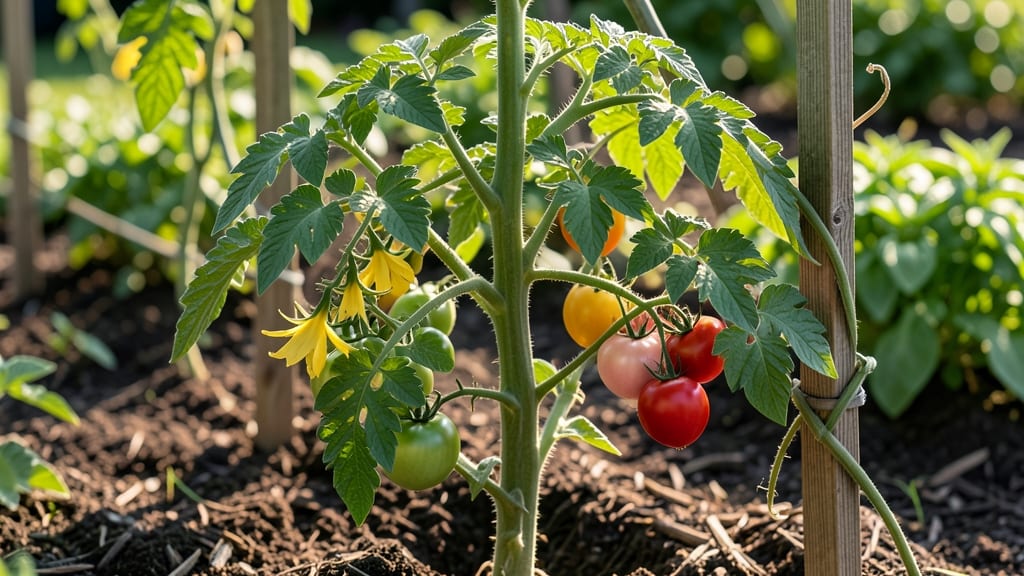
The tomato's genus and species classification places it within the Solanum family as Solanum lycopersicum, with wild ancestors like Solanum pimpinellifolium and Solanum cheesmaniae playing key roles in its evolution. These cultivated varieties trace back to South America, where selective breeding created today's diverse tomato species.
Understanding the tomato's botanical classification helps explain why it shares traits with other nightshades like potatoes and eggplants. 🌱 The Solanum genus contains over 1,700 species, but Solanum lycopersicum stands out as the domesticated powerhouse behind most grocery store tomatoes.
Wild relatives often boast disease resistance or unique flavors that breeders incorporate into modern varieties—like the tart Solanum pimpinellifolium used in some heirloom strains. This genetic diversity is what allows tomatoes to thrive in everything from salads to sauces.
What makes this classification fascinating is how human intervention reshaped the species. 🌿 Ancient Andean farmers first cultivated tomatoes around 700 BCE, but it wasn't until the 16th century that Spanish explorers introduced them to Europe.
Today's supermarket tomatoes are the result of centuries of selective breeding focused on size, color, and yield—often at the expense of flavor complexity found in wild species. For gardeners, recognizing these differences helps choose plants that align with specific culinary or breeding goals.
💡 In This Article
- Botanical Classification of Tomatoes: Genus Solanum Deep Dive
- Identifying Tomato Species: Wild vs Cultivated Varieties
Botanical classification of tomatoes: genus Solanum Deep Dive
The tomato's full taxonomic journey begins at the kingdom level, where it belongs to Plantae—the plant kingdom—before narrowing down to Angiosperms (flowering plants) and Eudicots (a group with two seed leaves). Within this hierarchy, the tomato's genus, Solanum, contains over 1,700 species, including potatoes, eggplants, and deadly nightshade.
The cultivated tomato, Solanum lycopersicum, stands out because its wild ancestors were small, bitter, and yellow—far from the vibrant red fruit we know today. 🌱
What makes Solanum lycopersicum unique is its genetic relationship with other nightshades. For example, it shares about 75% of its DNA with potatoes (Solanum tuberosum) and 60% with eggplants (Solanum melongena).
This shared ancestry explains why tomatoes, potatoes, and eggplants all belong to the Solanaceae family and exhibit similar chemical defenses, like alkaloids (e.g., solanine in green tomatoes). The domestication process began around 500-700 BCE in the Andes Mountains, where farmers selected for sweeter, larger fruits—traits that eventually spread globally.
The transition from wild to cultivated tomatoes involved three key genetic mutations: one for fruit size (increasing from 0.5 inches to 3+ inches in diameter), another for color (shifting from yellow to red due to lycopene production), and a third for seed reduction (making the fruit easier to eat).
These changes were so profound that Solanum lycopersicum is now considered a distinct species from its wild relatives. 🌿 For instance, Solanum pimpinellifolium (a wild ancestor) has tiny, tart fruits with thick skins, while modern heirlooms like 'Brandywine' showcase the dramatic results of selective breeding.
Domestication didn't stop at size or color—it also reshaped the tomato's reproductive biology. Wild tomatoes self-pollinate, producing small, hard seeds, while cultivated varieties often rely on cross-pollination for genetic diversity. This shift allowed breeders to create hybrids with specific traits, like disease resistance or shelf life.
For example, 'Solar Fire' tomatoes incorporate genes from Solanum habrochaites (a wild species) to resist nematodes, a common soil pest. The trade-off? Some hybrids lose the complex flavors found in heirloom varieties, which retain more of their wild genetic diversity.
Understanding this classification matters for gardeners and chefs alike. Wild tomato species often thrive in harsh conditions (e.g., Solanum peruvianum tolerates drought), while cultivated varieties prioritize yield over resilience. For instance, 'Cherokee Purple' heirlooms trace back to Solanum lycopersicum var. cerasiforme, a smaller, sweeter ancestor.
By crossbreeding wild and cultivated species, modern breeders recreate the flavor and hardiness lost during domestication. 💫
Here’s how to visualize the hierarchy:
- Kingdom: Plantae (plants)
- Phylum: Magnoliophyta (flowering plants)
- Class: Magnoliopsida (dicots)
- Order: Solanales (nightshade order)
- Family: Solanaceae (nightshade family)
- Genus: Solanum (over 1,700 species)
- Species: lycopersicum (cultivated tomato)
This structure explains why tomatoes share traits with their relatives—like the alkaloid solanine in green tomatoes (a defense mechanism against pests) or the glossy leaves common to the genus.
The deeper you dive, the clearer it becomes how human intervention transformed a small, bitter wild fruit into the versatile ingredient we rely on today. ✨