
Container Gardens
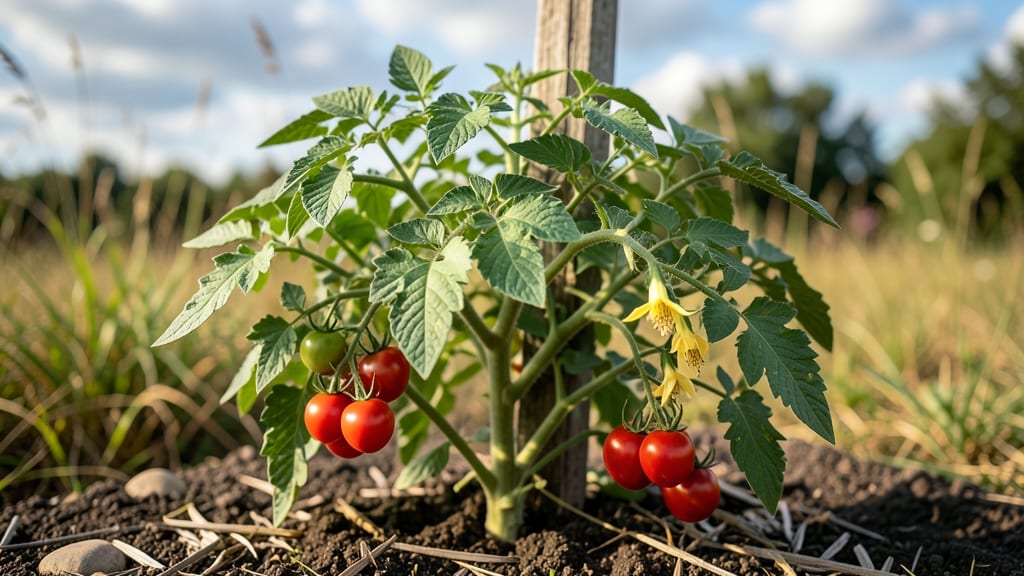
Your tomato growing time starts 90 days before your first frost—and that window changes dramatically from Florida to Minnesota. 🌱 I’ve tracked planting dates across 10 USDA zones to help you avoid the two biggest tomato mistakes: starting too early (seedlings rot) or too late (bolting before harvest).
The calendar below matches your zone to exact weeks, not just months, so you’ll know when to set seeds indoors or transplant starts.
Germination takes 5-10 days in warm soil (70°F+), but seedlings need 12-14 hours of light daily—no sunny windowsill substitutes. Northern gardeners start seeds indoors in February-March; Southerners can direct-sow in March-April.
The key is counting backward from your last frost date (find yours here), then adding 14 days for hardening off transplants before they hit the garden.
By following this schedule, you’ll harvest 2-3 weeks earlier than store-bought plants—and avoid the heartbreak of frost-nipped tomatoes. The calendar even accounts for Southern Hemisphere gardeners (plant in September-October for summer harvests). No more guessing: just plug in your zone and get a personalized countdown to your first ripe tomato.
Pro tip: Mark your calendar with three key dates—seed-starting, transplanting, and first harvest—to stay on track. And if you’re in a short-season zone, prioritize fast-maturing varieties like ‘Early Girl’ (65 days) over heirlooms. Your garden’s success hinges on timing, and this system makes it foolproof.
📚 In This Guide
- What you need
- Instructions
- Tips and common mistakes
- Wrapping up and next steps
What you need
- ● Containers: At least 5-gallon pots (or larger) with drainage holes—1-2 containers per plant for dwarf varieties, 5+ gallons per plant for larger types.
- ● High-quality potting mix: Lightweight, well-draining blend (avoid garden soil). Look for mixes labeled for vegetables or containers.
- ● Tomato seedlings or seeds: Seeds: Start 6-8 weeks before last frost indoors (use seed-starting trays).
- ● Seedlings: Purchase healthy, disease-free transplants from nurseries (choose varieties like 'Cherry Tomato,' 'Roma,' or 'Beefsteak' for containers).
- ● Fertilizer: Balanced fertilizer (10-10-10 or 5-5-5) for seedlings.
- ● Tomato-specific fertilizer (high in phosphorus/potassium, like 7-9-5) once flowering begins.
- ● Support system: Cages (5-6 ft tall) or stakes (6 ft long) for indeterminate varieties.
- ○ Trellis or tomato clips for determinate types (optional but helpful).
- ○ Watering can or hose with nozzle: Drip irrigation or soaker hoses (optional but recommended for consistency).
- ● Mulch: Straw or shredded leaves to retain moisture and suppress weeds.
- ● Grow lights: For indoor seed starting (LED or fluorescent, 12-16 hrs/day).
- ● pH test kit: To monitor soil acidity (ideal range: 6.0-6.8).
- ● Epsom salt: Magnesium sulfate (1 tbsp per gallon of water) for leaf health.
- ● Pest control: Neem oil, insecticidal soap, or row covers for aphids/whiteflies.
- ● Pruning shears: For removing suckers (indeterminate varieties).
Instructions: month-by-month tomato planting timeline by USDA zone
Here’s how to align your tomato planting with your climate zone for maximum yields and disease resistance.
⏰ Step 1: Plan Your Start Dates by Zone
Use your USDA Hardiness Zone to determine when to start seeds indoors or transplant seedlings. In Zones 1-4, begin seeds 8-10 weeks before last frost (typically March 1-April 1). In Zones 5-7, start seeds 6-8 weeks before last frost (usually late February-March 15). For Zones 8-10, direct-sow seeds 2-4 weeks before last frost or transplant seedlings 2-3 weeks before last frost—no need for indoor starts.
Check your last frost date using the National Weather Service or local extension office. I always mark this date on my calendar and count backward from there. If you’re in a Zone 3 or 4, consider using cold-hardy varieties like 'Stupice' or 'Glacier' for earlier harvests.
🌱 Step 2: Start Seeds Indoors (Zones 1-7)
Fill 2-3 inch deep seed trays with sterile seed-starting mix and plant seeds ¼ inch deep. Keep soil at 75-85°F using a heat mat if needed—this speeds germination to 5-10 days. Place trays under grow lights (14-16 hours/day) to prevent leggy seedlings. Once sprouts emerge, remove the humidity dome to prevent damping-off.
Watch for first true leaves (not the initial seed leaves) to appear—this signals it’s time to thin seedlings to one per cell. If you’re in Zones 5-7, transplant seedlings outdoors 2-3 weeks before last frost after hardening them off for 7-10 days. Hardening off means gradually exposing seedlings to outdoor conditions to toughen them up.
☀️ Step 3: Transplant Seedlings or Direct-Sow (Zones 1-10)
For Zones 1-4, transplant seedlings after last frost when soil reaches 55°F and nighttime temps stay above 45°F. Bury stems halfway to encourage strong root growth. In Zones 5-7, transplant 2-3 weeks before last frost if using cold-tolerant varieties. For Zones 8-10, direct-sow seeds 2-4 weeks before last frost or transplant seedlings 2-3 weeks before last frost—no indoor starts needed.
Space plants 18-24 inches apart in rows 36 inches apart for determinate varieties (bush types) or 24-36 inches apart for indeterminate (vining) types. Mulch with 2-3 inches of organic material (like straw) to retain moisture and suppress weeds. Water deeply at transplanting to settle soil around roots.
🌿 Step 4: Manage Growth Through Summer
Tomatoes need 1-2 inches of water per week, delivered at the base of the plant to avoid fungal diseases. In Zones 1-5, use drip irrigation or soaker hoses to protect leaves from moisture. Prune suckers (side shoots) on indeterminate varieties weekly to direct energy to fruit production. In Zones 8-10, provide afternoon shade during peak heat (90°F+) to prevent sunscald.
Fertilize every 2-3 weeks with a balanced 10-10-10 or 5-5-5 formula once flowers appear. Watch for early blight or hornworms—remove infected leaves immediately and handpick pests. Harvest regularly to encourage continuous production; indeterminate varieties may fruit until frost.
✂️ Step 5: Prepare for Fall and Next Year
In Zones 1-5, harvest all ripe tomatoes before first frost—even green ones will ripen indoors. In Zones 6-7, extend the season with row covers or a cold frame to protect plants until 28°F. In Zones 8-10, some varieties may keep producing until first hard frost (below 32°F). After harvest, remove all plant debris to prevent disease carryover.
Take notes on what worked (or didn’t) this season—variety performance, pest pressures, and harvest timing. Rotate crops next year to break disease cycles. If you’re in a shorter season (Zones 1-4), consider fast-maturing varieties like 'Early Girl' or 'Mountain Merit' for reliable yields.
Tips & tricks for perfect tomato planting timing
Between us, getting tomato planting right comes down to timing—and I've learned these tricks after years of trial and error.
Zone-Specific Timing Precision: The 8-10 week window for Zones 1-4 isn't just arbitrary—it accounts for slower soil warming in northern climates. I recommend setting calendar alerts for your specific last frost date, then counting backward. For Zones 5-7, that 6-8 week range gives you flexibility, but don't push it past 8 weeks or seedlings will become overcrowded and leggy. The key is matching seedling maturity with warm soil temperatures.
Germination Temperature Strategy: Maintaining that 75-85°F soil temperature during germination is critical for those 5-10 days. I've found a simple heat mat under seed trays works better than placing them on top of refrigerators or other heat sources—it provides consistent warmth without hot spots. If your home stays below 70°F, consider using a seedling heat mat with a built-in thermostat to maintain precise conditions.
Hardening Off Technique: The 7-10 day hardening off period in Step 2 is where many gardeners go wrong. Start with just 1-2 hours of exposure on day one, gradually increasing by 1-2 hours each day. I've seen seedlings collapse when moved directly from indoor humidity to full sun. Pay attention to leaf color—healthy seedlings should maintain their vibrant green hue during hardening.
Summer Heat Management: That 90°F+ afternoon shade recommendation for Zones 8-10 isn't just about preventing sunscald—it's about protecting your plants' energy reserves. I use lightweight shade cloth (30-50% shade) rather than solid covers, which allows some light penetration while reducing heat stress. In extreme heat, even a simple white sheet draped over tomato cages can make a difference during peak afternoon sun.
Pro Tips for Tomato Growing Time
- Between us, getting tomato planting right comes down to timing—and I've learned these tricks after years of trial and error.
- Zone-Specific Timing Precision: The 8-10 week window for Zones 1-4 isn't just arbitrary—it accounts for slower soil warming in northern climates.
- Germination Temperature Strategy: Maintaining that 75-85°F soil temperature during germination is critical for those 5-10 days.
Frequently asked questions
Got questions about growing tomatoes in containers? Here are some of the most common ones—and their answers—to help you grow a thriving crop!
How long does it take for tomato plants to grow from seed?
Tomatoes grown from seed typically take 60–90 days to mature, depending on the variety. Fast-maturing varieties like Early Girl or Cherry Tomatoes can be ready in as little as 50–60 days, while heirlooms like Brandywine may take 80–90 days. Start seeds indoors 6–8 weeks before your last frost date for a head start!
What’s the fastest way to get tomatoes in my container garden?
Skip the seed-starting process and buy transplants from a nursery instead! Look for healthy, stocky seedlings with 4–5 leaves and no flowers. Transplant them into containers 2–3 weeks before your last frost date for a harvest in 45–60 days. Just be sure to harden them off first to avoid shock.
Can I plant tomatoes in containers in early spring or fall?
Yes, but timing matters! Tomatoes thrive in warm soil (60°F+) and need 6–8 hours of sunlight daily. In cooler zones (like USDA 3–5), wait until 2–3 weeks after the last frost for spring planting. For fall, plant 8–10 weeks before your first frost—just ensure they have enough time to ripen before temperatures drop below 50°F at night.
Why aren’t my container tomatoes ripening before the first frost?
If your tomatoes aren’t ripening in time, try these fixes:
- Extend the season: Use row covers or a small greenhouse to protect plants from early cold snaps.
- Harvest green: Pick unripe tomatoes and ripen them indoors with a paper bag + banana trick (ethylene gas speeds ripening!).
- Choose faster varieties: Next season, opt for determinate (bush) types like Patio Princess, which mature quicker than indeterminate vines.
- Fertilize wisely: Too much nitrogen = leafy growth, not fruit. Switch to a low-N, high-P/K fertilizer (like 5-10-10) when flowers appear.
What’s the ideal temperature range for container-grown tomatoes?
Tomatoes love warmth but hate extremes:
- Daytime ideal: 70–85°F (perfect for growth and fruiting).
- Nighttime ideal: 60–70°F (below 55°F can stunt growth).
- Avoid: Temperatures above 90°F for prolonged periods (can cause blossom drop) or below 50°F (risk of frost damage).
In hot zones, use shade cloth (30–50%) during peak sun hours and keep containers well-watered to prevent stress.
Wrapping up and next steps
Growing tomatoes in containers is a rewarding journey that blends patience with delicious results! By following this month-by-month USDA zone guide, you’ll maximize your harvest and enjoy fresh, homegrown tomatoes year after year.
Whether you’re a beginner or seasoned gardener, every seed planted today brings you closer to a bountiful tomato feast—so grab your gloves and get started!
Next step: Mark your calendar, prep your containers, and watch your tomato plants thrive! 🌱🍅