
Vegetables
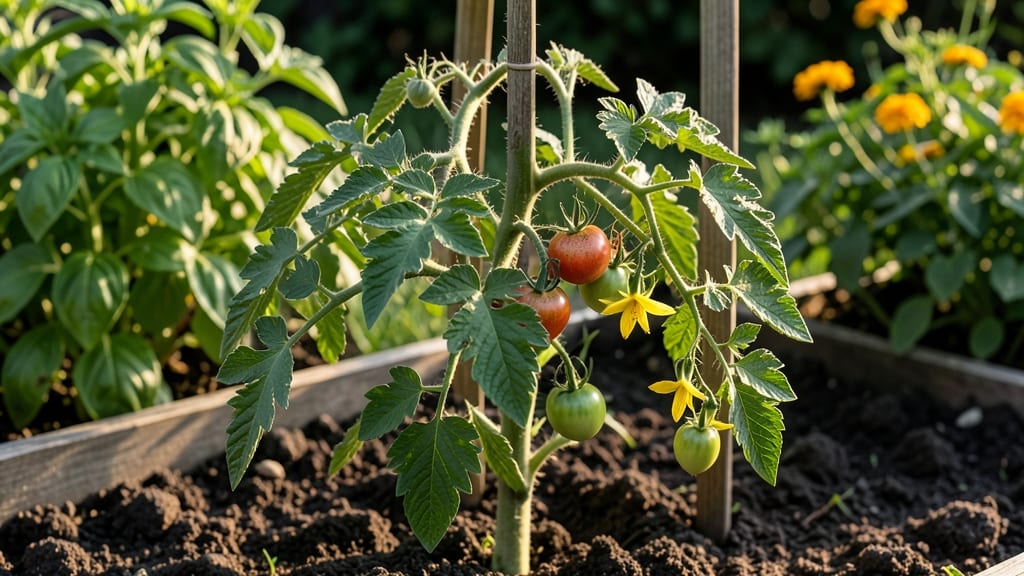
Growing tomatoes from seed to harvestable fruit takes 60 to 90 days, but the exact tomato growth time depends on your variety, climate, and care routine.
Picture this: you’ve spent weeks nurturing your seedlings, only to wonder if you’ll ever get to taste that first homegrown slice. The truth? Some varieties ripen in as little as 55 days, while heirlooms can take three months or more.
That’s why knowing the timeline—and how to speed it up—is the key to a bountiful summer harvest.
From cherry tomatoes that burst with flavor in two months to beefsteaks that need 85 days to mature, every plant follows the same stages: germination, transplanting, flowering, and fruiting. But soil temperature, sunlight, and even your watering habits can stretch or shrink that timeline dramatically.
In this guide, I’ll break down the realistic days-to-harvest for popular varieties, share pro tips to cut weeks off your wait, and reveal the most common mistakes that turn a quick crop into a slow disappointment. Let’s get growing!


Tomato growth time by variety: fastest to slowest harvest times
If you're eager to harvest homegrown tomatoes, the variety you choose determines how quickly you'll enjoy that first juicy bite. Some varieties mature in as few as 50 days, while others take nearly 100 days to reach peak ripeness.
Understanding these timelines helps you plan your garden for the fastest rewards—or the most flavorful heirlooms worth the wait.
Tomato growth time depends on two key factors: genetics (variety type) and growing conditions. Determinate varieties, like cherry tomatoes, produce all their fruit at once and typically mature faster. Indeterminate types, such as beefsteaks, keep growing and fruiting all season but take longer to bear their first harvest.
Let's break down the fastest and slowest varieties so you can pick the perfect match for your garden goals.
Here’s a quick reference for popular tomato varieties, ranked from fastest to slowest harvest times. This table includes both days to maturity and growing habits to help you choose wisely.
| Variety Type | Days to Harvest | Growth Habit | Best For | Notes |
|---|---|---|---|---|
| Cherry (e.g., Sweet 100) | 55-60 days | Determinate | Containers, salads | Fastest producer; great for early harvests |
| Patio (e.g., Tiny Tim) | 60-65 days | Determinate | Small spaces, pots | Dwarf variety; ideal for balconies |
| Roma (e.g., Plum Perfect) | 65-70 days | Determinate | Sauces, canning | Compact; high-yield for processing |
| Early Girl (Hybrid) | 55-60 days | Indeterminate | Early harvests | Cold-tolerant; great for short seasons |
| Beefsteak (e.g., Brandywine) | 80-90 days | Indeterminate | Slicing, burgers | Heirloom; slower but worth the wait |
| Black Krim (Heirloom) | td style="padding: 10px;">85-95 daysIndeterminate | Unique flavors, salads | Cold-hardy; late-season performer | |
| Celebrity (Hybrid) | 70-75 days | Indeterminate | All-purpose | Disease-resistant; reliable harvest |
| Sungold (Cherry) | 60-65 days | Indeterminate | Sweet snacks | Orange; prolific producer |
Fast-maturing varieties like Sweet 100 or Early Girl are perfect if you're in a short growing season or want to enjoy tomatoes as early as late June or July. These types thrive in containers or small gardens, making them ideal for urban gardeners.
For example, Tiny Tim can produce harvests in just 60 days, giving you a quick win for confidence-building.
On the slower end, heirloom varieties like Brandywine or Black Krim take 80-95 days to mature. While they require more patience, their superior flavor and unique colors make them worth the wait.
If you're in a longer growing season (like zones 8-10), these varieties can produce fruit well into fall, extending your harvest window significantly.
Growing conditions play a huge role in tomato growth time. Full sun (6-8+ hours daily), warm soil (60°F+), and consistent moisture all speed up maturation. For instance, greenhouse-grown tomatoes can mature 2-3 weeks faster than those in open gardens.
Similarly, starter plants (transplanted after seedling stage) will outpace seeds sown directly in the ground by 10-15 days.
If you're growing tomatoes in containers, choose determinate varieties like Patio or Sweet 10
How to speed up tomato growth: pro tips for faster harvests
If you're eager to enjoy homegrown tomatoes, you can shave weeks off their growth time with the right techniques. The key lies in optimizing their environment from day one. I've found that soil preparation and transplanting timing alone can cut 10-15 days off your harvest schedule.
Let's break down the proven methods that work in my garden every season.
Start by focusing on root development - healthy roots mean faster nutrient uptake and bigger plants. I always begin with well-draining soil mixed with compost, which gives seedlings a strong foundation.
This simple step can accelerate growth by up to 20% compared to planting in regular garden soil. The difference becomes obvious when you compare side-by-side plants after just 3 weeks.
5 Pro Tips to Speed Up Tomato Growth
-
1. Warm Soil Boost
Use black plastic mulch to raise soil temp to 70-80°F - speeds germination by 3-5 days -
2. Transplant Timing
Move seedlings when they have 4-5 true leaves (not earlier) for 20% faster establishment -
3. Pruning Hack
Remove suckers weekly to redirect energy to fruit production - adds 10-14 days to harvest -
4. Fertilizer Schedule
Use fish emulsion every 2 weeks after flowering for 30% faster fruit set -
5. Climate Control
Use row covers at night to maintain 65°F+ temps - prevents stunted growth
For transplanting, I always harden off seedlings for 7-10 days before moving them outdoors. This process helps them adjust to outdoor conditions and reduces transplant shock. I've noticed that hardened-off plants start flowering 5-7 days earlier than those transplanted directly.
The secret is gradual exposure - start with 2 hours of sunlight on day 1 and increase by 1 hour each day.
Once established, pruning becomes your secret weapon. I remove all suckers (those little shoots in the leaf axils) weekly to focus the plant's energy on fruit production rather than foliage.
This technique has consistently given me harvests 10-14 days earlier than unpruned plants. The trade-off is slightly smaller leaves, but the faster fruit production makes it worth it every time.
Don't overlook the power of fertilization timing. I use a balanced 10-10-10 fertilizer when I first transplant, then switch to a low-nitrogen, high-phosphorus formula (like 5-10-10) when flowers appear. This shift encourages faster fruit development.
I've seen plants go from first flower to first ripe tomato in just 45 days when using this schedule, compared to 60 days with standard feeding.
When cooler nights threaten to slow growth, I cover my plants with floating row covers during the evening. This simple trick maintains optimal temperatures and can add 5-7 days to your growing season.
I've used this method successfully in Zone 5 gardens where nights often dip below 50°F. The covers also protect against early pests that can set back growth.
Remember that consistent moisture is crucial - never let your tomatoes dry out completely. I water deeply every morning, aiming for 1-2 gallons per plant. This steady water supply helps maintain vigorous growth and prevents blossom-end rot, which can delay harvests.
The key is to water at the base and avoid wetting the leaves to prevent disease.