
Vegetables
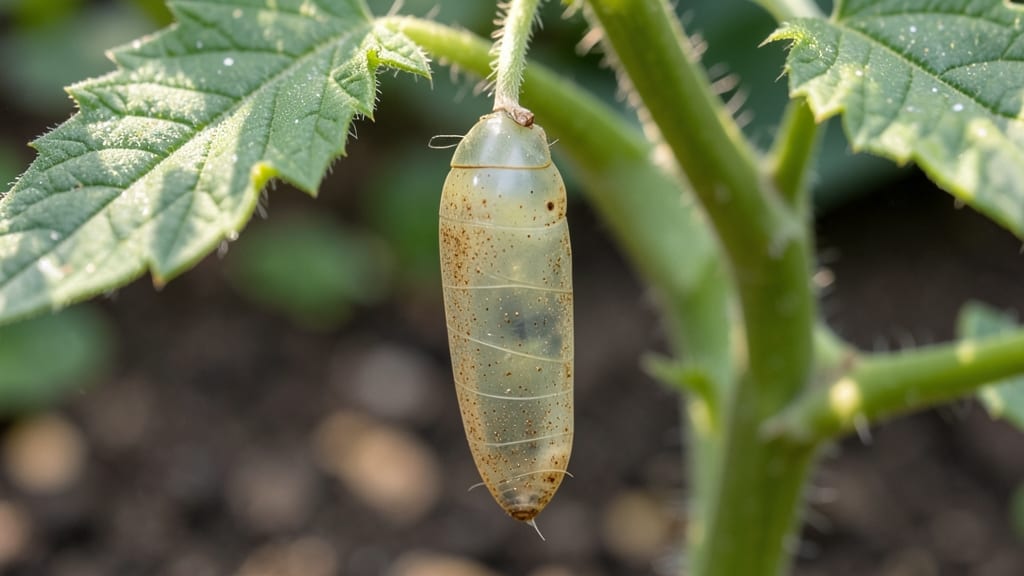
That tiny green chrysalis hanging on your tomato plant could be the next generation of your garden’s best pollinators—but right now, it’s devouring your harvest. 🌱 The tomato hornworm’s lifecycle is a gardener’s double-edged sword: its caterpillars strip leaves overnight, while its adult sphinx moths pollinate night-blooming flowers.
Understanding this cycle is your first line of defense against empty vines.
Most gardeners panic when they spot these striped caterpillars, but the real game-changer is what happens after they pupate. A single chrysalis can turn into a moth that lays 200-300 eggs—meaning one missed pupa could trigger a full-blown infestation next season.
The key is acting fast: remove chrysalises before they emerge, and you’ll break the cycle without chemicals.
Here’s the good news: you don’t need pesticides to win. A few minutes of handpicking pupae and caterpillars now means healthier plants and fewer pests by summer’s end. Plus, you’ll still get those pollinators—just on your terms.
The secret is timing: check plants weekly after dark when moths are active, and you’ll catch them before they multiply.
This works for any tomato variety—heirlooms, cherry, or beefsteak—and scales from backyard gardens to container plants. Once you see how quickly a few pupae can spiral, you’ll never ignore that first warning sign again. Let’s turn those pests into partners—naturally.
The Hidden Triggers Behind Pupa Formation
The transformation of a tomato hornworm into a chrysalis is a fascinating but often puzzling process for gardeners. Understanding why this shift happens—and when—can help you manage your garden more effectively while harnessing the benefits of these future pollinators. Let’s break down the key factors that drive this metamorphic switch.
Tomato hornworms (Manduca sexta) are highly sensitive to temperature changes, which act as a biological trigger for pupation. As summer winds down and cooler nights arrive, the caterpillars receive a signal that it’s time to transition into their chrysalis stage.
- Optimal Temperature Range: Hornworms typically pupate when daytime temperatures drop to 70–75°F (21–24°C) or lower, especially at night.
If your garden stays consistently warm (above 80°F/27°C), the caterpillars may delay pupation, sometimes even into fall. - Photoperiod Matters: Shorter daylight hours (like those in late summer or early autumn) can also accelerate the pupation process.
The caterpillars "know" winter is coming and prepare accordingly. - Actionable Tip: If you’re in a warm climate and want to encourage earlier pupation, provide shade cloth or mulch to lower soil temperatures slightly. This mimics natural seasonal cooling and prompts the caterpillars to seek pupation spots sooner.
Tomato hornworms are voracious eaters, and when their primary food source—tomato or pepper plants—starts to decline, they receive a subconscious cue to pupate. This isn’t just about running out of food; it’s also tied to the plant’s chemical composition.
- Nutrient Deficiency Triggers: As tomato plants mature and produce fruit, their leaves become less nutrient-rich (lower in proteins like soluble sugars and amino acids).
Hornworms detect this shift and interpret it as a sign to conserve energy for metamorphosis. - Plant Stress Hormones: Damaged or stressed plants (from overwatering, drought, or pest attacks) may release jasmonic acid, a hormone that signals the hornworm to seek pupation.
This is an evolutionary survival tactic—why stay in a dwindling food source? - Actionable Tip: If you’re growing tomatoes for both harvest and hornworm management, consider pruning older leaves in late summer.
This forces the caterpillars to feed on younger, more nutrient-dense growth, delaying pupation until you’re ready for them to transform.
In the wild, tomato hornworms face constant threats from predators like birds, wasps, and parasitic flies. Their decision to pupate isn’t just about hunger or temperature—it’s also about survival.
- Size and Maturity Threshold: Hornworms typically pupate when they reach 3–4 inches in length, a size that balances energy reserves with the need to avoid predators.
Smaller caterpillars are more vulnerable to being eaten, while larger ones have a better chance of surviving the chrysalis stage. - Parasitoid Wasp Activity: If braconid wasps (common hornworm predators) are active in your garden, the caterpillars may pupate earlier as a defensive strategy.
These wasps lay eggs inside the hornworm, and the larvae eventually emerge to kill the host.
Pupating sooner reduces this risk. - Actionable Tip: If you notice an uptick in wasp activity, provide sheltered pupation sites (like small pots with soil or hollow stems) to give the hornworms a safer place to transform.
This can reduce losses to parasitoids while still allowing the cycle to continue naturally.
Hornworms don’t just decide to pupate—they also need the right environment to do so successfully. Their choice of location is influenced by moisture, stability, and protection.
- Moisture and Soil Conditions: Chrysalises require moderate humidity (40–60%) to survive.
If the ground is too dry or waterlogged, the caterpillar may wander in search of a better spot, sometimes ending up in unexpected places (like your porch or shed!). - Stability Over Mobility: Hornworms prefer secure, elevated surfaces (like stems, leaves, or soil) where they won’t be disturbed.
They’ll often drop to the ground, burrow slightly, and attach their chrysalis to a stable structure. - Actionable Tip: To encourage natural pupation in your garden, leave some bare soil or mulch near tomato plants.
You can also hang small pots or mesh cages filled with soil—these mimic natural conditions and give the caterpillars a designated "pupa zone."
Not all tomato hornworms pupate at the same time—some genetic and regional variations play a role in when this transformation occurs.
- Regional Adaptations: Hornworms in warmer climates (like the southern U.S.) may pupate later in the season compared to those in cooler regions (like the Midwest).
This is an evolutionary adaptation to local growing seasons. - Individual Variability: Some hornworms are simply "early bloomers," pupating as early as mid-summer, while others wait until early fall.
This variability means you might see chrysalises appearing in waves rather than all at once. - Actionable Tip: If you’re in a region with a long growing season, monitor your plants weekly for signs of pupation.
Early pupators may emerge as moths before the first frost, while late ones might overwinter as chrysalises (a rare but possible occurrence).
Instead of seeing pupation as a loss, view it as a natural garden reset.
By understanding these triggers, you can: - Time your harvests to coincide with peak hornworm activity. - Create "pupa-friendly" zones to reduce chaos in your garden beds. - Encourage beneficial insects by providing safe spaces for chrysalises to develop into moths (which pollinate your plants!).
The key is balance—let nature take its course while giving these caterpillars the best chance to complete their life cycle. After all, every chrysalis holds the potential for a free pollinator in your garden! 🐛✨
Quick Fixes for Hornworm Havoc
Discovering a tomato hornworm chrysalis in your garden can feel alarming—until you realize these striped caterpillars are nature’s way of turning pests into pollinators. But if you’re dealing with a sudden infestation or want to protect your plants sooner, here’s how to tackle the problem naturally and effectively.
If you spot a tomato hornworm (the caterpillar stage) before it forms a chrysalis, act fast to prevent the next generation of pests.
- 👨🍳 Handpick them – Wear gloves and pluck them off plants, dropping them into soapy water to kill them instantly.
- 🍳 Use a drop cloth – Shake plants over a white sheet to spot and remove hidden hornworms.
- 🔪 Prune infested leaves – Cut off heavily damaged foliage and dispose of it far from your garden.
Pro Tip: 💡 Check plants early in the morning when hornworms are sluggish and easier to spot.
Once you’ve removed the current threat, focus on keeping hornworms away for good.
🌿 Plant Companion Crops
Some plants repel hornworms naturally. Interplant your tomatoes with:
- Basil (masks tomato scent)
- Marigolds (deter pests with strong fragrance)
- Nasturtiums (act as a trap crop)
🐞 Encourage Beneficial Predators
Let nature do the work by attracting hornworm predators:
- 🕷️ Parasitic wasps (lay eggs inside hornworms, killing them)
- 🐞 Ladybugs & lacewings (eat hornworm eggs)
- 🐸 Frogs & toads (hunt caterpillars at night)
Pro Tip: 🌡️ Install a small water source (like a shallow dish with pebbles) to attract these helpful critters.
🧴 Use Organic Sprays (When Needed)
If prevention isn’t enough, try these safe sprays:
- 🌿 Neem oil spray (disrupts hornworm feeding and growth)
- 🍋 Spinosad (from fermentation) (derived from soil bacteria, non-toxic to humans)
- 🧂 Soap spray (1 tbsp mild soap per quart of water, spray directly on hornworms)
Pro Tip: ✨ Apply sprays in the early morning or evening to avoid harming bees and other pollinators.
For a sustainable solution, adopt these habits:
- 🌱 Rotate crops – Avoid planting tomatoes in the same spot yearly to disrupt hornworm life cycles.
- 🌿 Mulch with straw or grass clippings – This confuses hornworm moths looking for egg-laying sites.
- 🌙 Use row covers early in the season – Lightweight fabric blocks moths from laying eggs without trapping heat.
Pro Tip: 🎯 If you find a chrysalis, consider relocating it to a wildflower area—it’ll emerge as a harmless moth, not a pest!
With these steps, you’ll not only protect your tomatoes but also support the ecosystem by giving nature a helping hand. Happy gardening! 🌱🐝
Frequently asked questions
How long does a tomato hornworm chrysalis take to become a moth?
The transformation typically takes 10-14 days under ideal conditions (warm temperatures and moderate humidity). In cooler climates, it may extend to 3-4 weeks. The timing varies based on regional temperatures—warmer areas see faster emergence.
What should I do if I find a chrysalis on my tomato plant?
You have two options: remove it to prevent future caterpillars or relocate it to a wildflower area where it can emerge as a harmless pollinating moth. If you choose removal, drop it in soapy water or crush it (wear gloves!). Relocating helps maintain garden biodiversity.
Can tomato hornworm chrysalises survive winter?
In most climates, they won't—they emerge as moths before the first frost. However, in warmer regions (like Southern California), some may overwinter as chrysalises and emerge the following spring. Freezing temperatures (20°F/-7°C) will kill them if left outside.
Why do I keep seeing chrysalises even after removing caterpillars?
Female moths can lay 200-300 eggs in a single season, and some may have already pupated before you noticed the caterpillars. Check plants weekly (especially at night when moths are active) and consider companion planting with basil or marigolds to disrupt their life cycle.
Are there any benefits to having tomato hornworm chrysalises in my garden?
Yes! The adult sphinx moths are excellent pollinators for night-blooming flowers like petunias and evening primrose. By allowing a few chrysalises to complete their cycle, you'll get these free pollinators—just don't let them multiply uncontrollably on your tomatoes!