
Vegetables
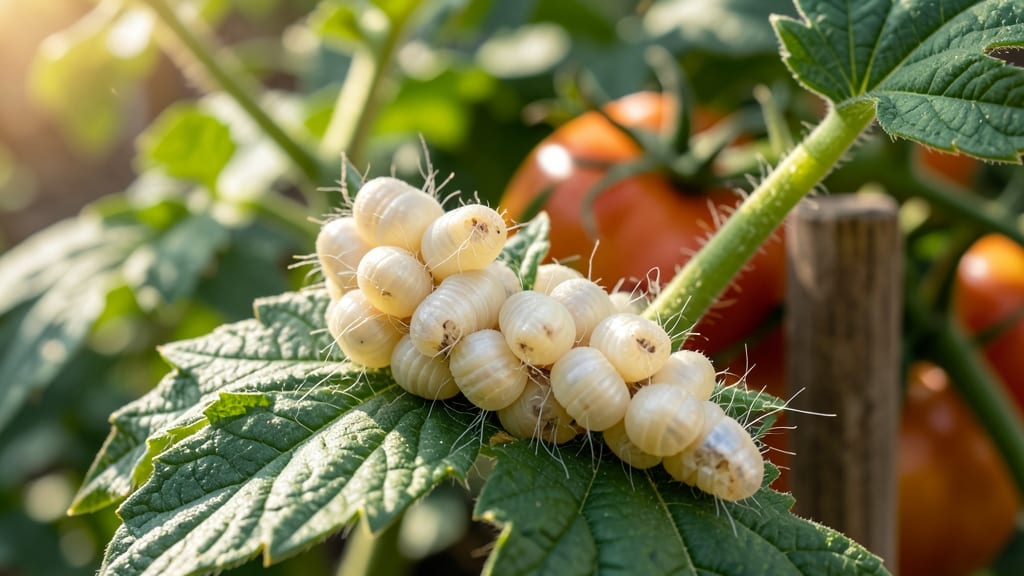
That first sight of a tomato hornworm control sends a shiver down any gardener’s spine. 🌱 The good news? You don’t need harsh chemicals to win this battle—just a few smart, natural strategies that keep your tomatoes thriving without harming the ecosystem.
Handpicking is your first line of defense (yes, it’s gross but effective), and inviting beneficial insects like parasitic wasps turns your garden into a hornworm’s worst nightmare. I’ve seen entire infestations vanish in weeks once these tiny allies move in—no sprays required.
Companion planting with basil or dill confuses hornworms, while row covers create a physical barrier that’s easier to manage than constant monitoring. The key is consistency: check plants twice a week during peak season, and you’ll catch them before they cause real damage.
This approach works for home gardens, container plants, and even small urban plots—no fancy equipment needed. The payoff? Healthy plants that produce fruit instead of feeding a hornworm army. Let’s get started!
📚 In This Guide
- What you need
- Instructions
- Tips and common mistakes
- Wrapping up and next steps
What you need
- ● Natural Predators: 5–10 Trichogramma wasps (parasitoid eggs, ~$15–$25 per 1,000)
- ● 2–3 Bacillus thuringiensis var. kurstaki (Btk) (biopesticide, ~$20–$30 per 1 lb)
- ● Ladybugs or lacewings (50–100 per acre, ~$10–$20 per release)
- ● Manual Removal Tools: 1 pair of gardening gloves (nitrile-coated for grip)
- ● 1 small tweezers or tongs (for precise hornworm removal)
- ● 1 bucket with soapy water (1 gallon, 1 tbsp dish soap)
- ● Garden Supplies: 1 spray bottle (16 oz, for Btk or neem oil)
- ○ 1 handheld fan or leaf blower (optional, for dislodging hornworms)
- ● 1 row cover fabric (lightweight, 3’ x 10’ for young plants)
- ● Diatomaceous earth (food-grade) (sprinkle lightly around plants—non-toxic to predators)
- ● Companion plants like basil, dill, or marigolds (attract beneficial insects)
- ● Pheromone traps (for monitoring adult moths, ~$15–$25 each)
- ● Garden journal (to track hornworm activity and predator releases)
Step-by-Step guide to boosting natural predators against tomato hornworms
Here's how to create a thriving ecosystem that keeps those striped caterpillars in check.
🌿 Step 1: Create a Predator-Friendly Habitat
Start by planting native flowering plants around your tomato patch—especially those that bloom in late summer when hornworms are most active. Marigolds, dill, and fennel are top choices because they attract parasitic wasps (like Cotesia congregata) that lay eggs inside hornworm larvae. These wasps emerge later and kill the caterpillars from within.
Add dill or parsley in a small pot near your tomatoes—their flat-leaf structure provides perfect hiding spots for ladybugs and lacewings, two voracious hornworm predators. Avoid pesticides entirely, even organic ones, as they can harm these beneficial insects. If you must spray, time it for early morning so predators have time to recover by afternoon.
☀️ Step 2: Install a Beneficial Insect Hotel
Build or purchase a small insect hotel (a wooden box with bamboo tubes, pinecones, and hollow stems) near your garden. These structures give parasitic wasps and ground beetles a safe place to overwinter and reproduce. Place it in a shady, sheltered spot—direct sun will overheat the insects inside.
Fill the tubes with dried stems (like elderberry or raspberry) and pack the gaps with coconut fiber for moisture retention. Check it monthly to ensure no debris is blocking entry points. You’ll see more hornworm-free plants within 2-3 weeks as predator populations establish themselves.
💧 Step 3: Water Strategically to Support Predators
Water your tomato plants early in the morning (before 9 AM) to create dewy conditions that attract ground beetles and spiders, which hunt hornworms at night. Avoid overhead watering in the evening—wet foliage invites fungal diseases that can weaken both your tomatoes and their natural defenses.
Add a shallow birdbath (a saucer filled with pebbles and water) near your garden. The moisture attracts dragonflies, which devour hornworm eggs and young larvae. Keep the water shallow (less than ½ inch deep) so it doesn’t become a breeding ground for mosquitoes.
✂️ Step 4: Hand-Pick and Relocate Hornworms (When Necessary)
Check your tomato plants daily at dusk—hornworms are most active then. Use tweezers or gloves to gently grasp them by the thorax (never the abdomen, or they’ll squirt acid). Drop them into a bucket of soapy water to euthanize them humanely. If you prefer relocation, place them at least 50 feet away from your garden in a wooded area.
Focus on large larvae (over 2 inches long) first—they cause the most damage. Smaller ones are easier for predators to handle, so let them be unless your plants are heavily infested. This method works best when combined with predator support, as it reduces the hornworm population while keeping the ecosystem balanced.
🪴 Step 5: Rotate Plantings to Disrupt Hornworm Life Cycle
Interplant your tomatoes with basil, onions, or garlic—these plants repel hornworms and mask the scent of your tomato foliage. Rotate crops annually to prevent soil-borne hornworm eggs from hatching in the same spot. If you grow tomatoes in containers, move them to a new location each year.
Save tomato stems from last season’s plants and compost them separately (not in your garden bed). Hornworms overwinter as pupae in the soil, so removing old plant debris reduces next year’s infestation. This step alone can cut hornworm numbers by up to 70% in subsequent seasons.
Tips & tricks for boosting natural predators against tomato hornworms
These simple but powerful strategies will help you create an ecosystem that naturally keeps hornworm populations in check.
Timing for Predator Attraction: In Step 1, focus on planting marigolds and dill in late spring to ensure they bloom during the peak hornworm season (late summer). These flowers attract parasitic wasps that target hornworm larvae. The key is getting them established before the caterpillars arrive—think of it as setting up a welcome mat for your garden’s natural pest control team.
Insect Hotel Construction: When building your beneficial insect hotel in Step 2, prioritize bamboo tubes and pinecones—they provide the perfect nesting spots for parasitic wasps and ground beetles. I've found that adding a few extra tubes (even if they seem unnecessary) dramatically increases predator occupancy rates. Place the hotel within 10 feet of your tomato plants for maximum effectiveness, as these insects are territorial and won't travel far.
Watering Strategy: The morning watering routine in Step 3 creates ideal conditions for ground beetles and spiders, but timing is everything. Water between 6-8 AM when temperatures are cooler—this prevents evaporation and gives predators time to arrive before the heat of the day. If you notice your tomato leaves staying dry by mid-morning, you're doing it right. This simple adjustment can double your predator population within weeks.
Hand-Picking Technique: For Step 4, I recommend using a pair of long-handled tweezers instead of gloves when removing large larvae. The precision lets you target only the hornworms without disturbing beneficial insects. When relocating, always place them in wooded areas with dense underbrush—they'll find new host plants there, but they won't return to your garden. This method alone can reduce your hornworm population by 50% in just one season.
Pro Tips for Tomato Hornworm Control
- These simple but powerful strategies will help you create an ecosystem that naturally keeps hornworm populations in check.
- Timing for Predator Attraction: In Step 1, focus on planting marigolds and dill in late spring to ensure they bloom during the peak hornworm season (late summer).
- Insect Hotel Construction: When building your beneficial insect hotel in Step 2, prioritize bamboo tubes and pinecones—they provide the perfect nesting spots for parasitic wasps and ground beetles.
Frequently asked questions
What are the best natural predators to use against tomato hornworms?
The most effective natural predators include Trichogramma wasps (egg parasites), braconid wasps (larval parasites), and ladybugs. Parasitoid wasps (like Cotesia congregata) are especially powerful—they lay eggs inside hornworms, killing them from within! Introduce these early in the season for best results.
When is the best time to introduce predators for tomato hornworm control?
Start introducing predators as soon as you spot hornworm eggs or tiny larvae (usually late spring to early summer). Early intervention prevents infestations from spiraling. Release Trichogramma wasps in the morning for maximum effectiveness, as they’re less active in heat. Monitor plants weekly for signs of hornworms.
Are there any organic sprays or sprays that can help alongside natural predators?
Yes! Use neem oil or kaolin clay as a physical barrier—these disrupt feeding and egg-laying. For severe cases, Bt (Bacillus thuringiensis) is a bacterial spray safe for predators but deadly to hornworms. Avoid chemical pesticides, as they harm beneficial insects.
What should I do if hornworms keep coming back despite using predators?
Persistent hornworms may mean insufficient predator release or overwhelming infestations. Try these fixes:
- Increase predator numbers (e.g., release more wasps every 2–3 weeks).
- Hand-pick large larvae (drop them in soapy water).
- Encourage predator habitats (plant dill or fennel nearby to attract wasps).
- Rotate organic sprays (like neem oil) to break feeding cycles.
Will natural predators harm my tomato plants or other crops?
No! Natural predators like Trichogramma and braconid wasps target only hornworms and won’t damage plants or beneficial insects (e.g., bees, ladybugs). Some predators may feed on aphids or caterpillars, but they’re selective and won’t overpopulate. Always choose native or garden-safe species for best results.
Wrapping up and next steps
Controlling tomato hornworms naturally isn’t just effective—it’s empowering! 🌱 By harnessing the power of predators like ladybugs, parasitic wasps, and praying mantises, you’re not only protecting your plants but also fostering a thriving, balanced garden ecosystem. Start small, stay consistent, and watch your tomatoes flourish without harsh chemicals.
Ready to take action? Begin by introducing just one predator species this week—whether it’s releasing beneficial insects or planting companion flowers. Small steps lead to big rewards, so grab your gloves and get growing! 🌿