
Light Requirements
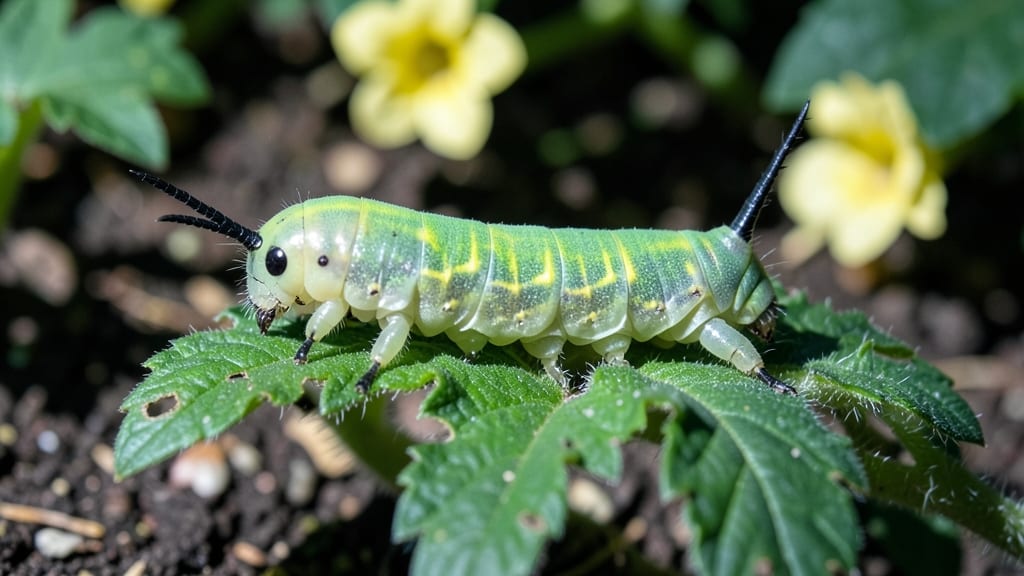
Tomato hornworms under UV light reveal their damage like a secret code—stripes and scars you’d never spot by eye. 🌱 I’ve used this trick to catch infestations early, saving my plants from becoming skeleton leaves overnight.
The light makes their feeding patterns glow, so you can act before the worms turn your tomatoes into Swiss cheese. It works because UV highlights the digestive enzymes they leave behind. Just shine a blacklight over your plants at dusk, and you’ll see glowing trails where they’ve munched.
No chemicals, no guesswork—just instant proof of where they’ve been and where they’re headed next. You’ll spot damage within seconds, not days, and can pluck the culprits before they multiply. The best part?
This method fits seamlessly into an integrated pest management (IPM) strategy, giving you an extra layer of defense without harming bees or butterflies. Pair it with handpicking and row covers for a foolproof system. Here’s how to do it right—no more surprises when you pull back the leaves.
The Hidden Triggers of UV Exposure
When tomato hornworms (Manduca sexta) are exposed to ultraviolet (UV) light, their internal structures—often invisible to the naked eye—suddenly become starkly visible. This dramatic reaction isn’t just a scientific curiosity; it’s rooted in biology, chemistry, and even the worms’ evolutionary survival strategies.
Here’s why UV light exposes their secrets—and how it happens.
Tomato hornworms, like many caterpillars, possess fluorescent compounds in their bodies that glow under UV light. These compounds—primarily fluorescent pigments like 7-hydroxy-6-methoxy-1-methyl-2-quinolone—are part of their biochemical defense system. In nature, these pigments can:
- Deter predators: Some birds and insects (like parasitic wasps) rely on UV vision to hunt. A glowing caterpillar might signal toxicity or poor nutrition, making it less appealing—or even dangerous—to eat.
- Regulate metabolism: UV-reactive compounds may help the worm process food or detoxify plant toxins from its tomato diet.
- Communicate with microbes: Certain bacteria and fungi in the worm’s gut respond to UV light, influencing digestion or immune function.
When you shine a UV flashlight on a hornworm, you’re essentially switching on its hidden warning system—one it’s been using for millions of years to stay alive.
The tomato hornworm’s diet is a key player in its UV fluorescence. Tomatoes and other nightshade plants (Solanaceae) contain compounds that react with the worm’s biology:
- Chlorogenic acid and polyphenols: These plant antioxidants can bind to the worm’s fluorescent pigments, intensifying their glow under UV light. Think of it like a chemical highlighter—the more tomatoes the worm eats, the brighter it shines.
- Alkaloids (e.g., nicotine-like solanines): Some of these compounds may stabilize fluorescent molecules in the worm’s body, making the reaction more pronounced. This could be why hornworms raised on organic vs. conventional tomatoes sometimes show different fluorescence patterns.
Actionable insight: If you’re testing hornworms for UV fluorescence, feed them organic tomatoes for 3–5 days before exposure—some studies suggest conventional farming practices (like pesticide use) can dull the effect.
UV light doesn’t just make hornworms glow—it can also expose physical stress or injury that’s invisible under normal light. Here’s how:
| Visible Under UV | Why It Happens |
|---|---|
| Faint or patchy glow | Indicates malnutrition or parasite load. A healthy hornworm’s fluorescence is even; uneven patches suggest internal issues (e.g., Bracovirus infections from parasitic wasps). |
| Bright green/yellow spots | Often signals gut bacteria imbalances or exposure to UV-blocking compounds in the worm’s diet (e.g., certain fungal spores). |
| Blue-white fluorescence near joints | Can reveal chitin degradation or molting stress. The exoskeleton’s natural UV-reactive proteins break down faster when the worm is under metabolic strain. |
Pro tip: 💡 Use a handheld UV flashlight (365nm wavelength) to inspect hornworms before and after they’ve fed. A dimmer glow post-feeding may mean the tomato’s nutrients aren’t being absorbed efficiently.
In labs or home gardens, the way we use UV light can enhance or distort the hornworm’s natural fluorescence. Common mistakes include:
- Incorrect wavelength: Most consumer UV flashlights emit 365nm light, which works well, but longer wavelengths (400nm+) can mute the glow. Stick to 365–385nm for best results.
- Over-exposure: Prolonged UV light can bleach the fluorescent compounds, making the worm appear duller over time. Limit exposure to 5–10 seconds per inspection.
- Environmental contaminants: Dust, pesticides, or even humidity can coat the worm’s body, scattering UV light and reducing clarity. Gently rinse with distilled water before testing if you suspect contamination.
For consistent results, pair UV inspection with a dark, controlled space—natural light or ambient glow can wash out the effect.
Quick Fixes for Hornworm Havoc
Discovering tomato hornworms under UV light can feel like a wake-up call—your garden’s hard work is under siege! But don’t panic. With the right tools and strategies, you can eliminate these pests fast and protect your plants.
Below, we break down the most effective solutions, tailored to the root causes of infestations, plus prevention tips to keep your tomatoes thriving.
UV light reveals hornworms hiding in plain sight, so act fast to prevent further damage.
- Handpick at dawn or dusk when they’re sluggish. Wear gloves—these caterpillars can be hairy and irritating! 🪰
- Drop them in soapy water to kill them instantly. A bucket of soapy water (1 tbsp dish soap per gallon) ensures they don’t wriggle away.
- Use a flashlight at night—hornworms are less active and easier to spot against dark foliage.
If you’ve spotted a few but want to avoid chemicals, these organic methods work wonders.
- Bacillus thuringiensis (Bt): A microbial pesticide safe for humans and pets. Spritz it on leaves—it targets the hornworm’s gut, killing them within 48 hours. 🌱
- Neem oil spray: Mix 1 tbsp neem oil + 1 tsp mild soap in a quart of water. Spray on leaves (avoid blooming flowers). The bitter taste deters hornworms.
- Plant companion crops: Basil, marigolds, and dill repel hornworms naturally. Interplant them near your tomatoes for a pest-free barrier.
Turn the UV light’s power against the hornworms by using it as a detection and trapping tool.
- Shine UV light at dusk when hornworms are most active. They’ll glow under UV, making them easy to spot and remove. 🌙
- Set up a DIY trap: Place a white sheet under the UV light at night. Hornworms will crawl toward the light—simply pick them off the sheet in the morning.
- Combine with sticky traps: Place yellow or blue sticky traps near tomato plants. Hornworms are attracted to these colors and get stuck.
Prevent hornworms from reaching your plants in the first place with these simple barriers.
- Row covers: Use lightweight fabric over young tomato plants. Remove when flowers appear to allow pollination.
- Copper tape: Wrap it around tomato stems—hornworms dislike the sensation and will avoid climbing.
- Collars around stems: Cut a 6-inch strip of cardboard or plastic and bury it around the base of each plant. This blocks hornworms from crawling up.
Hornworms are most vulnerable at specific times—use this to your advantage.
| Time of Day | Action |
|---|---|
| Morning (6–9 AM) | Handpick after dew dries—they’re slow and easy to spot. |
| Dusk (7–9 PM) | Use UV light to find hidden pests before they nest. |
| Night (with flashlight) | Search for eggs laid on undersides of leaves—remove them before they hatch. |
Small habits make a big difference in keeping hornworms at bay.
- Inspect leaves daily, especially the undersides where eggs are laid. Remove any eggs you find. 🔍
- Avoid over-fertilizing—hornworms love lush, fast-growing plants. Use balanced fertilizer to keep growth steady.
- Encourage natural predators: Ladybugs, lacewings, and parasitic wasps eat hornworm eggs and larvae. Plant dill or fennel to attract them. 🐞
- Rotate crops if possible—hornworms target tomatoes, peppers, and eggplants. Mixing up your garden disrupts their life cycle.
With these strategies, you’ll not only eliminate existing hornworms but also prevent future infestations. UV light is your secret weapon—use it to spot, trap, and stop these pests before they ruin your harvest. Happy gardening! 🌿🍅
Frequently asked questions
Why do tomato hornworms glow under UV light?
They contain natural fluorescent compounds that act as a predator deterrent. These pigments—like 7-hydroxy-6-methoxy-1-methyl-2-quinolone—glow under UV to signal toxicity or poor nutrition to birds and wasps. The more tomatoes they eat, the brighter they shine!
What’s the best time of day to use UV light for hornworm detection?
Shine the UV light at dusk (7-9 PM) when hornworms are most active but before night predators wake up. They’ll glow brightly against dark foliage, making them easy to spot and remove before they multiply.
Can UV light harm tomato plants or beneficial insects?
No—UV flashlights (365nm wavelength) are safe for plants and won’t affect bees or ladybugs. The light only targets the hornworms’ fluorescent compounds. Just avoid prolonged exposure to prevent leaf bleaching.
How do I make a DIY UV hornworm trap?
Place a white sheet under your UV light at dusk. Hornworms will crawl toward the glow—simply pick them off in the morning. For extra effectiveness, add a few drops of tomato juice to attract them!
Will UV light work on hornworm eggs?
Not directly—the eggs don’t fluoresce. Check leaf undersides at night with a regular flashlight instead. Remove any eggs you find before they hatch into larvae that glow under UV.