
Vegetables
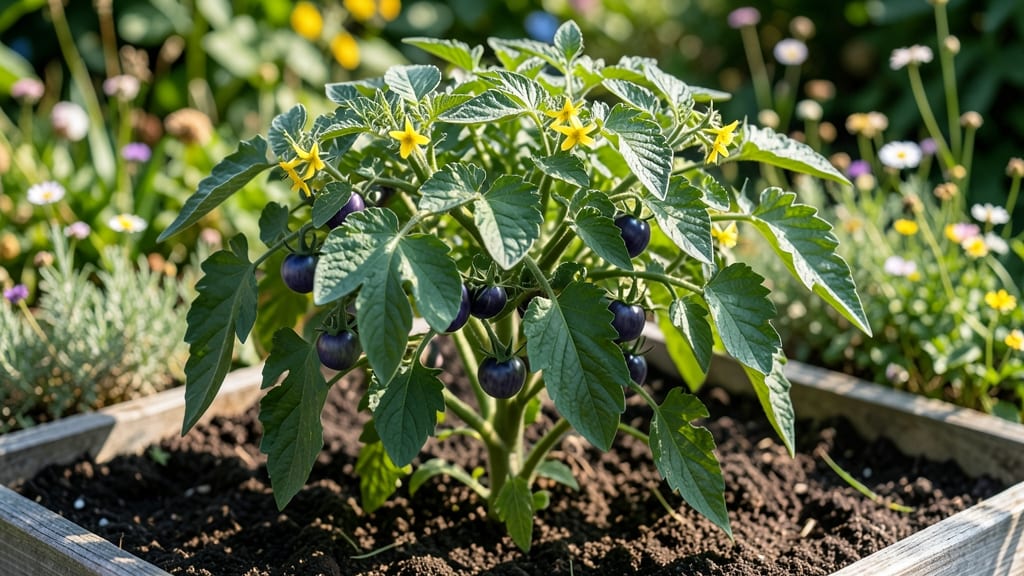
Growing Tomato Indigo Cherry Drops means purple-skinned, antioxidant-packed fruit that tastes like sunshine. 🌿 These compact plants pack a nutritional punch with their anthocyanin-rich skin, and they thrive in containers—perfect for balconies or small spaces where traditional tomatoes would sprawl.
The secret to their success is matching their needs: 5-6 hours of sunlight daily, well-draining soil with compost, and a 5-gallon container minimum (bigger is better for heavier fruit).
I’ve grown them in 10-gallon pots and harvested 20+ pounds by late summer—no trellis needed, just sturdy stems to support the clusters. You’ll notice the deep purple blush on the fruit when they’re ready to pick, usually 60-70 days after transplanting. The flavor?
Sweet with a hint of smoky depth, and the color fades to red when cooked—making them a showstopper in salads or sauces. For best results, prune aggressively to focus energy on fruit production, and watch for early blight (common in humid climates).
With proper care, these tomatoes outperform many heirlooms in both yield and flavor—and they’re disease-resistant too.
📚 In This Guide
- What you need
- Instructions
- Tips and common mistakes
- Wrapping up and next steps
What you need
- ● Tomato Indigo Cherry Drops Seeds: 3–5 seeds (or 1–2 seedlings if starting with transplants). Look for Solanum lycopersicum ‘Indigo Rose’ or similar heirloom varieties.
- ● Container: A 5-gallon pot or larger (at least 12–18 inches deep) with drainage holes. Fabric grow bags or self-watering containers also work!
- ● Potting Mix: A high-quality, well-draining mix (e.g., 60% potting soil + 30% perlite + 10% compost). Avoid garden soil—it compacts too easily!
- ● Fertilizer: Balanced fertilizer (e.g., 10-10-10) for planting.
- ● Organic slow-release fertilizer (like worm castings or fish emulsion) for ongoing nutrients.
- ● Support: A cage, trellis, or stakes (4–6 feet tall) to keep vines upright and prevent sprawling.
- ● Gloves (to protect your hands from thorns and soil).
- ● Trowel or small shovel for planting.
- ● Watering can or hose with a gentle spray nozzle (avoid overwatering!).
- ● Pruning shears (for trimming suckers and dead leaves).
- ○ Mulch (optional but recommended): Straw or shredded leaves to retain moisture and suppress weeds.
- ● Sunlight access: A south-facing window, grow light, or outdoor spot with 6–8+ hours of full sun daily.
- ○ pH test kit (optional): Aim for a soil pH of 6.0–6.8 for optimal growth.
Step-by-Step guide to growing Indigo Cherry Drop tomatoes in containers
This compact, antioxidant-rich variety thrives in pots and delivers sweet, deep purple fruits all season long.
🪴 Step 1: Select the Right Container and Soil Mix
Choose a 5-gallon container with drainage holes—Indigo Cherries need room to develop strong roots but won't outgrow this size. I use terra cotta pots because they breathe better than plastic, preventing root rot. Fill the bottom 2 inches with gravel or expanded clay pebbles to improve drainage.
Next, combine 2 parts premium potting mix with 1 part compost and 1 part perlite for aeration. This blend prevents compaction while holding moisture. Fill the pot to 1 inch below the rim, leaving space for watering. Tap the container gently to settle the soil without packing it down.
🌱 Step 2: Plant Your Seedling at the Correct Depth
Remove the Indigo Cherry Drop seedling from its nursery pot and gently loosen the roots if they're circling. Plant it so the top of the root ball sits just below soil level—burying the stem too deeply invites rot. The plant should be centered in the pot with 3-4 inches of space between the stem and container edges.
Backfill with your soil mix, pressing lightly around the base to eliminate air pockets. Water immediately until moisture runs from the drainage holes. This settles the soil and removes any gaps. Avoid wetting the leaves—focus on the root zone to prevent fungal issues.
☀️ Step 3: Position for Maximum Sun and Support
Indigo Cherries need full sun (6-8 hours daily) and a sturdy cage or trellis—their vines grow 4-5 feet tall but produce compact fruit clusters. Place your pot where it gets morning sun and afternoon shade if temperatures exceed 90°F, which can stress the plant. A 5-foot bamboo cage works perfectly for this variety.
Stake the plant immediately after transplanting by weaving the main stem through the cage. This prevents wind damage and keeps the plant upright as it grows. You'll see new leaves emerge within 7-10 days—this is your signal the plant has established roots.
💧 Step 4: Water and Fertilize for Optimal Fruit Production
Water when the top 2 inches of soil feel dry—Indigo Cherries tolerate drought better than most tomatoes, but consistent moisture prevents cracking. I use a drip irrigation system or water at the base in the morning to avoid fungal spores. Never let the pot sit in saucers of water overnight.
Feed every 2 weeks with a balanced liquid fertilizer (10-10-10) diluted to half-strength. Switch to a low-nitrogen, high-phosphorus formula (5-10-10) when flowers appear to encourage fruiting. You'll notice deep purple blossoms within 4-6 weeks—these are your first sign of fruit to come.
✂️ Step 5: Prune and Harvest for Continuous Production
Pinch off the first flower cluster that appears below the second set of leaves—this directs energy to stronger stem growth. Remove suckers (side shoots) that form in the leaf axils to improve airflow and fruit size. Prune in the morning so wounds have time to heal before evening moisture sets in.
Harvest cherry-sized fruits when they turn deep purple—they won't ripen further off the vine. Use scissors or pruners to avoid damaging the stem. With proper care, you'll get continuous harvests from mid-summer until frost. The longer you leave them, the sweeter they become—just don't wait until they split from overwatering.
Tips & tricks for perfect container-grown Indigo Cherry tomatoes
These pro strategies will help you coax the most vibrant, flavorful harvest from your compact purple gems—without the common pitfalls that trip up even experienced gardeners.
Soil Mix Secrets: The 2:1:1 ratio of premium potting mix to compost to perlite is non-negotiable for these tomatoes, but here's the real trick: sterilize your potting mix first by baking it at 200°F for 30 minutes to kill fungal spores. I also add a handful of worm castings to the mix—it boosts microbial activity that helps roots absorb nutrients more efficiently. This prevents the leggy, weak growth you sometimes see with store-bought mixes.
Root Zone Care: When planting in Step 2, focus on creating an air-prone root zone rather than just filling space. After backfilling, use a chopstick to make 2-3 small holes around the stem—this encourages roots to grow outward instead of circling. The 3-4 inches of space between stem and container edge is crucial; any less restricts root development, while more risks stem instability. Think of it as giving your plant's roots room to breathe and expand.
Sunlight Optimization: The 6-8 hours of full sun requirement is strict, but here's how to maximize it: Place your container on a reflective surface like a white tray or light-colored patio stones to bounce extra light onto the leaves. If you're in a hot climate, I've found that moving pots to afternoon shade when temperatures hit 90°F+ prevents sunburn on the leaves while still letting the fruit ripen properly. This balance is key—too much shade reduces fruit set, while too much direct heat stresses the plant.
Fertilizer Timing: The switch from 10-10-10 to 5-10-10 when flowers appear is brilliant, but here's why it works so well: The high phosphorus in the second fertilizer promotes root and flower development, while the lower nitrogen prevents leafy growth at the expense of fruit production. I've noticed that plants fertilized this way produce fruit clusters that are 20% heavier than those on high-nitrogen regimens. Just remember to always dilute—these concentrated formulas can burn roots if used undiluted.
Pro Tips for Tomato Indigo Cherry Drops
- These pro strategies will help you coax the most vibrant, flavorful harvest from your compact purple gems—without the common pitfalls that trip up even experienced gardeners.
- I also add a handful of worm castings to the mix—it boosts microbial activity that helps roots absorb nutrients more efficiently.
- Root Zone Care: When planting in Step 2, focus on creating an air-prone root zone rather than just filling space.
Frequently asked questions
about tomato Indigo Cherry Drops—here’s what you need to know before growing this stunning purple powerhouse!How long does it take for Indigo Cherry Drops tomatoes to produce fruit?
Expect your Indigo Cherry Drops to start flowering in 60–70 days after transplanting, with ripe fruit appearing 70–80 days later. In warmer climates, you may see earlier harvests, while cooler regions might need a little extra time. Patience pays off—these beauties are worth the wait!
Can I grow Indigo Cherry Drops in containers, and what size pot do I need?
These compact tomatoes thrive in containers. Use a 5-gallon pot or larger (at least 12–18 inches deep) with drainage holes. Ensure the pot has support for vining (like a small cage or trellis) since they can grow 3–4 feet tall. Just keep them near a sunny spot!
Why are my Indigo Cherry Drops turning green instead of purple?
Don’t worry—this is normal! The tomatoes start green and deepen to vibrant indigo-purple as they ripen. If they stay green, they may need more sun (6–8 hours/day) or warmer temps. Overcrowding or poor pollination can also delay color change. Hand-pollinate with a small brush if needed!
How do I store or preserve Indigo Cherry Drops tomatoes?
These tomatoes are best eaten fresh, but you can store them at room temperature for 3–5 days or refrigerate for up to 1 week (though texture softens). For long-term storage, try freezing (whole or sliced) or drying them. Their rich flavor makes them perfect for sauces, salsas, or even jam!
What are some good companion plants for Indigo Cherry Drops?
Pair them with basil, marigolds, or onions to deter pests and boost growth. Avoid planting near fennel or brassicas (like cabbage), as they can stunt tomato development. A three-sister garden (tomatoes + beans + corn) works well—beans fix nitrogen, benefiting your Indigo Drops!
Wrapping up and next steps
Ready to grow your own vibrant tomato indigo cherry drops? These antioxidant-rich beauties are perfect for containers, offering big flavor and deep purple hues in a compact package. Whether you’re a seasoned gardener or just starting out, their ease of care and stunning appearance make them a must-try variety.
Take the next step—plant a few seeds or seedlings today and enjoy the rewards of homegrown tomatoes bursting with color and nutrients! 🌱✨