
Leaf Blower
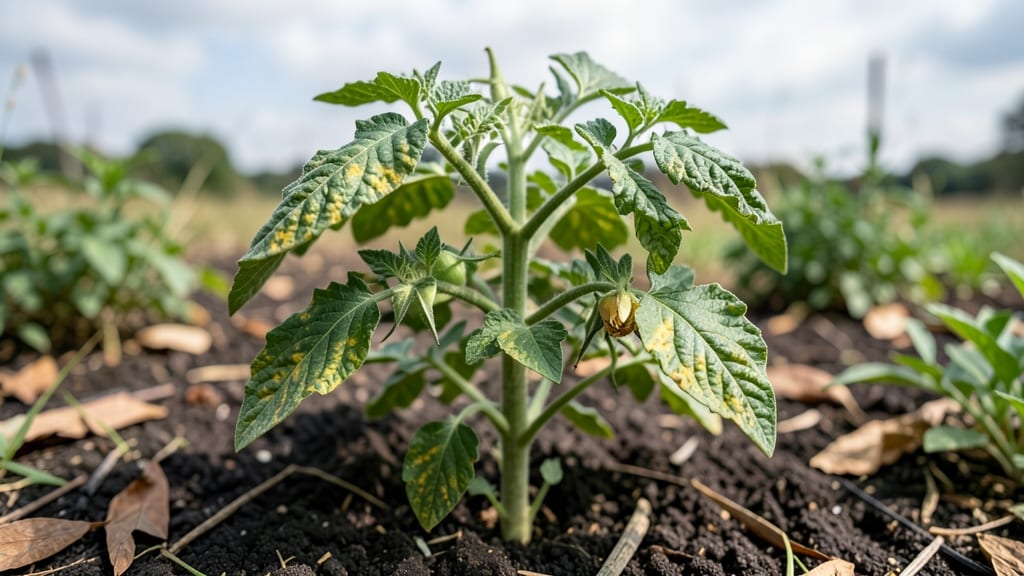
When your tomato plants develop curled leaves and stunted growth, the tomato leaf curl New Delhi virus is often the culprit—this stubborn disease spreads fast and ruins harvests. 🌱 I’ve battled it in my garden, and what I learned could save your plants (and your sanity) this season.
This virus hitches rides on aphids or infected seeds, leaving your tomatoes with crinkled leaves, yellowing foliage, and fewer fruits. The worst part? There’s no cure—only prevention and damage control. But don’t panic: resistant tomato varieties and smart cultural practices can keep it at bay.
Start by choosing disease-resistant heirlooms like ‘Defiant PhR’ or ‘Mountain Merit,’ then focus on aphid control with neem oil or insecticidal soap. Remove infected plants immediately to stop the spread, and keep your garden clean to break the virus’s cycle.
Early detection is key—check leaves weekly for curling or discoloration, especially in hot weather. With these organic methods, you can protect your tomatoes without harsh chemicals, ensuring a healthier harvest next season.
Root Causes Of Viral Spread
The Tomato Leaf Curl New Delhi Virus (ToLCNDV) doesn’t spread like a cold—it’s a stealthy, plant-hijacking pathogen that thrives on specific conditions and behaviors. Understanding why it happens means recognizing the perfect storm of factors that allow it to take over your tomato crops.
Below, we break down the science-backed reasons this virus gains a foothold in your garden or farm, so you can disrupt its lifecycle before it disrupts yours.
Whiteflies aren’t just annoying pests—they’re the primary vectors for ToLCNDV. These tiny, sap-sucking insects (especially Bemisia tabaci) pick up the virus while feeding on infected plants, then transmit it to healthy ones in a matter of hours. Here’s how it works:
- Mechanical Transmission: Whiteflies inject the virus into plant cells while feeding, disrupting normal growth signals. The virus hijacks the plant’s DNA to produce more viral particles.
- Exponential Spread: A single whitefly can infect dozens of plants in a day. In greenhouses or high-density farms, this creates a viral hotspot in weeks.
- Seasonal Surges: Warm weather (77–86°F) and dry conditions trigger whitefly populations to explode, turning your garden into a virus-spreading machine.
Actionable Insight: Monitor whitefly activity with yellow sticky traps. If you see more than 5–10 whiteflies per trap per day, act fast—neem oil or insecticidal soap can disrupt their lifecycle before they transmit the virus.
Healthy plants resist viral infections, but stressed or compromised ones become easy targets. ToLCNDV exploits plants that are:
- Nutrient-Deficient: Low nitrogen or phosphorus weakens cell walls, making it easier for the virus to invade. Test your soil! A balanced NPK ratio (e.g., 5-10-10) can fortify defenses.
- Water-Stressed: Drought or overwatering disrupts photosynthesis, leaving plants vulnerable. ToLCNDV thrives in osmotic stress, where cells can’t regulate water properly.
- Physically Damaged: Pruning wounds or hail damage create entry points for whiteflies (and the virus). Always use sterilized tools and avoid excessive pruning during outbreaks.
Pro Tip: 🌡️ Mulch with compost to retain moisture and nutrients. Healthy roots = stronger resistance. Pair this with companion planting (e.g., marigolds or basil) to repel whiteflies naturally.
ToLCNDV doesn’t just like heat—it needs it. Here’s how environmental factors fuel its spread:
| Factor | How It Helps the Virus | How to Counter It |
|---|---|---|
| High Temperatures (80–95°F) | Accelerates whitefly reproduction and viral replication in plants. | Use shade cloth (30–50%) in greenhouses to keep temps below 85°F. |
| Low Humidity (<40%) | Dries out plant tissues, making them more susceptible to whitefly attacks. | Install mist systems or group plants to increase humidity. |
| Poor Air Circulation | Traps whiteflies and viral particles near plants, creating a viral cloud. | Add oscillating fans to disrupt whitefly resting spots. |
Key Takeaway: If you’re growing tomatoes in a greenhouse, ventilation is non-negotiable. A simple soil drench with kaolin clay can also reflect sunlight and reduce heat stress.
ToLCNDV can survive on tools, soil, and even seeds for short periods, giving it multiple avenues to infect new plants. The risks:
- Infected Seedlings: Many commercial tomato seedlings are pre-infected but show no symptoms until it’s too late. Always quarantine new plants for 2 weeks.
- Reused Tools: Pruners, trellises, or stakes contaminated with viral particles can transfer the disease to healthy plants.
- Shared Equipment: Greenhouse structures, irrigation systems, or even gloves can harbor the virus if not sanitized.
Prevention Protocol: 🔥
- Sterilize tools with 70% isopropyl alcohol or a 10% bleach solution between uses.
- Disinfect greenhouse surfaces with hydrogen peroxide (3%) every season.
- Buy seedlings from certified disease-free nurseries or start from seeds you’ve tested.
Practical Ways to Fight Back
Now that you understand the root causes of tomato leaf curl New Delhi virus (TLCDV), it’s time to take action. Below are targeted solutions tailored to the most common triggers—whether it’s infected plants, whiteflies, or weak immunity. Each fix includes prevention tips to keep your garden healthy long-term.
Cause: Existing infected plants spread the virus via whiteflies or sap contact. Fix:
- 🔪 Snip and toss any plants showing symptoms (yellowing, curling, stunted growth) before they spread. Do not compost them—bag and discard.
- 🌱 Quarantine new plants for 2–3 weeks in a separate area before introducing them to your garden.
- 🧼 Sterilize tools with 70% isopropyl alcohol between cuts to prevent cross-contamination.
Prevention Tip: 💡 Monitor daily—catching early signs means less damage and fewer whiteflies to deal with.
Cause: These tiny pests transmit TLCDV while feeding. Fix:
- 🕷️ Yellow sticky traps – Hang them near plants to catch whiteflies before they spread.
- 💦 Spray with soapy water – Mix 1 tsp mild dish soap + 1 quart water, spray directly on undersides of leaves (where whiteflies hide). Repeat every 3–4 days.
- 🌿 Introduce beneficial insects – Ladybugs, lacewings, and parasitic wasps (like Encarsia formosa) devour whiteflies naturally. Buy them from garden centers or release them at dusk.
- 🌡️ Heat treatment (for severe cases) – Place infested plants in a black plastic bag with a 100W bulb inside for 30 minutes to suffocate whiteflies (test on a small area first).
Prevention Tip: ✨ Reflective mulch – Cover soil with silver or aluminum mulch to confuse whiteflies and reduce landings.
Cause: Weak or stressed tomatoes are more susceptible. Fix:
- 💧 Water deeply but less often – Overhead watering spreads disease; use drip irrigation at the base.
- 🍽️ Feed with balanced fertilizer – Use a low-nitrogen, high-phosphorus formula (like 5-10-10) to boost root health. Avoid over-fertilizing—it attracts pests!
- 🌿 Companion planting – Grow marigolds, basil, or garlic nearby—they repel whiteflies and improve air circulation.
- 🌡️ Prune for airflow – Remove crowded branches to reduce humidity (whiteflies love damp, shaded areas).
Prevention Tip: 💪 Neem oil spray (1 tbsp neem oil + 1 tsp mild soap + 1 quart water) prevents whiteflies and strengthens plant defenses. Spray weekly as a preventive measure.
Cause: Some tomato types naturally resist TLCDV. Fix:
- 🍅 Plant these resistant varieties:
- Hybrid tomatoes: ‘Arka Vikas,’ ‘Pusa Ruby,’ ‘Pant Tomato-1’
- Heirlooms (with caution): ‘Solanum lycopersicum var. cerasiforme’ (cherry tomatoes) show some tolerance—but still monitor for whiteflies.
- 🌱 Start seeds indoors – Hardier seedlings resist stress better than nursery-bought plants.
Prevention Tip: 🌱 Rotate crops – Avoid planting tomatoes (or nightshades like peppers) in the same spot for 3+ years to break virus cycles.
If your garden is heavily infected, act fast:
- 🌿 Remove all tomato plants (even healthy-looking ones may be carriers).
- 🔥 Solarize the soil – Cover beds with clear plastic for 4–6 weeks in hot sun to kill viruses and pests.
- 🌱 Plant non-host crops (like beans, cucumbers, or lettuce) in the meantime to break the virus cycle.
✅ Inspect plants weekly – Early detection = easier control. ✅ Keep the garden clean – Remove weeds and debris where whiteflies hide. ✅ Use row covers – Fine mesh netting blocks whiteflies while allowing pollination. ✅ Test new plants – Buy from reputable nurseries that screen for viruses.
Final Thought: 🌱 Prevention is easier than cure—but if TLCDV strikes, act fast with removal, traps, and immunity-boosting care. With these steps, your tomatoes can bounce back stronger!
Frequently asked questions
What are the first signs of tomato leaf curl New Delhi virus in my plants?
Watch for leaf curling (especially upward), yellowing between veins, and stunted growth—these appear 2-3 weeks after infection. You may also see thickened veins or small, distorted leaves on new growth. The fruit might develop brown spots or stay small and hard.
Can I save a tomato plant already infected with this virus?
No—once infected, there’s no cure. Remove the entire plant immediately (including roots) and bag it to prevent spread. Even healthy-looking plants nearby may carry the virus silently. Focus on sterilizing tools and quarantining new plants to protect your garden.
How do I prevent whiteflies from spreading the virus in my greenhouse?
Use yellow sticky traps near plants, apply neem oil spray weekly, and introduce beneficial insects like ladybugs. Keep humidity below 60% with fans and reflective mulch to deter whiteflies. Ventilate daily—whiteflies thrive in stagnant, hot air.
Are heirloom tomatoes more susceptible than hybrids to this virus?
Yes—most heirlooms lack viral resistance genes found in hybrids like ‘Arka Vikas’ or ‘Pusa Ruby.’ While heirlooms may taste better, hybrids are your best bet for disease resistance. Always quarantine new plants for 2 weeks to spot early symptoms.
Can I reuse soil from an infected tomato bed next season?
No—viruses can persist in soil for months. Solarize the bed by covering it with clear plastic for 4-6 weeks in hot sun to kill pathogens. Alternatively, replace the top 6 inches of soil or plant non-host crops (like beans) for a season to break the virus cycle.