
Vegetables
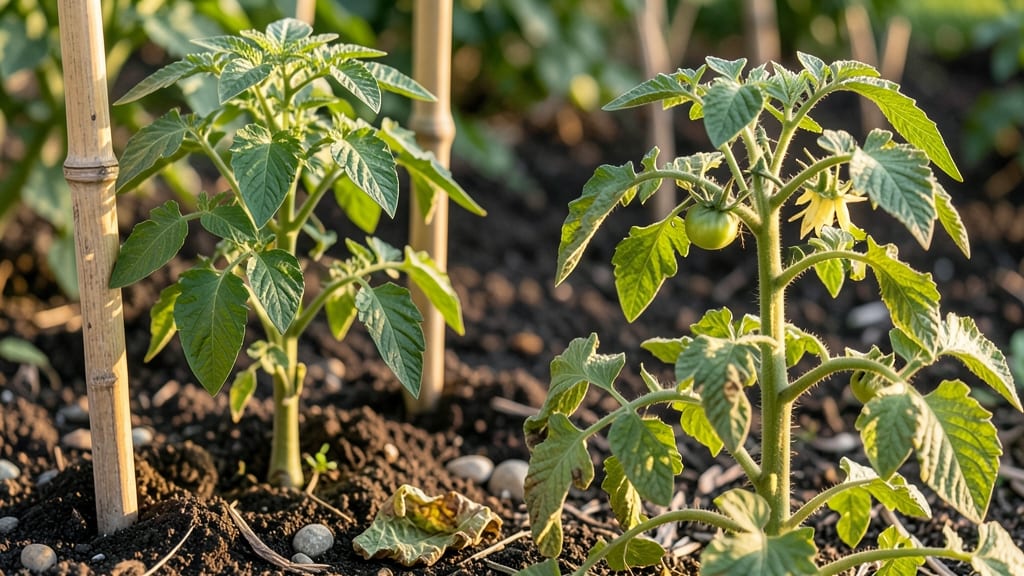
When your tomato plants develop tomato leaf roll, the curling leaves and stunted growth can feel like a devastating diagnosis—but it’s not always a death sentence. 🌱 I’ve watched this virus transform lush plants into sad, twisted shadows, and I’ll show you how to spot it early, stop its spread, and protect next season’s crop before it takes hold.
The first sign is leaves rolling upward like a scroll, often paired with yellowing or purple streaks along the veins. Aphids spread this virus like tiny disease couriers, but infected plants and contaminated tools can carry it too.
The moment you see these symptoms, act fast—delaying treatment means watching your harvest disappear.
Prevention starts with resistant varieties like ‘Mountain Merit’ or ‘Defiant PhR,’ paired with regular aphid monitoring. Remove infected plants immediately (don’t compost them!) and sterilize pruners with rubbing alcohol. Crop rotation breaks the virus cycle, but even that won’t help if you ignore the early warnings.
Management isn’t just about saving this year’s tomatoes—it’s about rebuilding your garden’s health. Test soil for nutrient deficiencies (leaf roll weakens plants), and introduce beneficial insects like ladybugs to control aphids naturally. The goal isn’t perfection; it’s resilience.
📚 In This Guide
- What you need
- Instructions
- Tips and common mistakes
- Wrapping up and next steps
What you need
- ● Fresh tomatoes: 4 medium-sized (about 1 lb / 450g), ripe and firm
- ● Fresh basil leaves: 10-12 large leaves (or 20-25 small leaves)
- ● Fresh herbs: 2 tbsp chopped (mix of parsley, thyme, or oregano)
- ● Garlic: 2 cloves, minced
- ● Olive oil: 2 tbsp (extra virgin preferred)
- ● Salt: ½ tsp (plus extra for seasoning)
- ● Black pepper: ¼ tsp (freshly ground)
- ● Lemon juice: 1 tbsp (or balsamic glaze for a twist)
- ○ Cheese (optional but recommended): ¼ cup shredded mozzarella or feta
- ● Sharp chef’s knife (or a serrated knife for slicing tomatoes)
- ● Cutting board (preferably wooden or plastic)
- ● Mixing bowl (small to medium size)
- ● Baking sheet (or a small oven-safe skillet)
- ● Aluminum foil (for easy handling)
- ● Oven mitts (to protect your hands)
- ● Oven (preheated to 375°F / 190°C)
- ● Tongs or spatula (for flipping rolls)
- ● 1 tbsp pesto (for extra herby goodness)
- ● ½ tsp red pepper flakes (for a spicy kick)
- ● 1 tbsp grated Parmesan (for a cheesy finish)
- ● Fresh mozzarella pearls (for gooey surprises!)
How to identify and manage tomato leaf roll virus in your garden
Stop this destructive virus before it spreads—here's how to spot it early and take action.
🌿 Step 1: Recognize the Visual Symptoms
The first sign is a distinctive upward curling of leaves, starting at the edges and working inward. You'll notice the top leaves rolling tightly like a scroll, often with a yellowing or purpling between the veins. The undersides may develop a rough, crinkled texture that's unmistakable once you know what to look for.
Check the youngest leaves first—they're most sensitive to the virus. If you see this curling combined with stunted growth or smaller-than-normal fruit, you're likely dealing with tomato leaf roll. Don't wait for multiple plants to show symptoms—this virus spreads rapidly through aphids and contaminated tools.
💧 Step 2: Isolate Infected Plants Immediately
Remove any affected plants from your garden immediately and place them in a sealed plastic bag. The virus can't spread through soil alone, but it thrives on plant sap—even a small cut from pruning tools can transfer it. Wear gloves when handling infected plants to prevent accidental spread to healthy ones.
Check nearby plants for early symptoms every 2-3 days for at least 2 weeks after removal. If you notice any new curling or discoloration, isolate those plants immediately too. The goal is containment—don't let this become a garden-wide problem.
✂️ Step 3: Sterilize Tools and Clean the Area
Disinfect all pruners, stakes, and other tools that came into contact with infected plants using a 10% bleach solution (1 part bleach to 9 parts water). Soak tools for 10 minutes, then rinse thoroughly with clean water. For metal tools, a 70% isopropyl alcohol wipe works just as well.
Remove all plant debris from the area and dispose of it in sealed bags. The virus can survive in dried leaves, so don't compost infected material. If possible, rotate your tomato planting location next season—this virus can persist in soil for months.
🪴 Step 4: Strengthen Remaining Plants' Resistance
Boost your healthy tomato plants' defenses by applying a neem oil spray every 7-10 days to deter aphids, the primary spreaders of leaf roll. Mix 1 teaspoon neem oil with 1 quart water and a drop of dish soap as an emulsifier. Spray in the early morning to avoid harming beneficial insects.
Ensure plants receive 6-8 hours of direct sunlight daily and maintain consistent moisture—never let soil dry out completely. Strong, healthy plants are less susceptible to viral infections. Consider adding compost tea to your watering routine to enhance root health and overall vigor.
☀️ Step 5: Plan Next Season's Prevention
Start with certified disease-free seeds or transplants from reputable nurseries. Many leaf roll outbreaks begin with infected starter plants. If you save seeds from your own garden, store them in a cool, dry place and test a few in isolation before planting the entire batch.
Rotate your tomato varieties each season to reduce the buildup of soil-borne pathogens. Interplant with marigolds or basil, which naturally repel pests that spread the virus. Keep a detailed garden journal to track symptoms and responses—this will help you catch any future outbreaks faster.
Tips & tricks for managing tomato leaf roll effectively
Here's what nobody tells you about stopping this virus before it ruins your garden.
Early Detection is Everything: The 2-3 day monitoring period after removing infected plants is non-negotiable. I've seen gardeners miss symptoms by checking only weekly—by then, the virus has already spread to 30% of their plants. Use a small notepad to mark inspection dates on your calendar, and always check the youngest leaves first since they show symptoms earliest. The key is catching it before the virus establishes itself in multiple plants.
Tool Sterilization Secrets: That 10-minute bleach soak for tools is critical, but here's what I learned the hard way: the bleach solution loses effectiveness after 24 hours. Always mix fresh solution before each use, and store your tools in a dry place between uses. For metal tools, the 70% isopropyl alcohol wipe is actually more effective at killing viruses than bleach—it doesn't leave residue that can harm plants when you reuse tools.
Neem Oil Application Technique: When applying the neem oil spray every 7-10 days, timing matters more than you think. Always spray in the early morning when temperatures are below 85°F and humidity is high—this gives the oil time to work before the sun evaporates it. I've found that adding a drop of dish soap not only helps the oil stick but also repels aphids for an extra 24 hours after application. The key is consistency: missing even one application window can allow aphid populations to rebound.
Prevention Journal Strategy: That garden journal I mentioned isn't just for fun—it's your early warning system. Record not just symptoms but also weather conditions, nearby plantings, and any pest activity. I've caught early signs of leaf roll by noticing patterns like "every time we had rain after 90°F days, new curling appeared." This creates a personalized early detection system that's more accurate than any generic checklist.
Pro Tips for Tomato Leaf Roll
- Here's what nobody tells you about stopping this virus before it ruins your garden.
- Early Detection is Everything: The 2-3 day monitoring period after removing infected plants is non-negotiable.
- Tool Sterilization Secrets: That 10-minute bleach soak for tools is critical, but here's what I learned the hard way: the bleach solution loses effectiveness after 24 hours.
Frequently asked questions
Can I use any tomato variety for leaf rolls?
While roma or plum tomatoes work best (their shape holds up well), you can adapt the recipe with cherry tomatoes or heirloom varieties by halving them first. Just avoid overly watery tomatoes—they’ll dilute the flavors. For a twist, try sun-dried tomatoes (rehydrated) for a chewier texture!
How long can I prep ahead before cooking?
Prep the filling and roll the tomatoes up to 24 hours ahead—store them in an airtight container in the fridge. For the best flavor, let them sit at room temp for 30 minutes before baking. If using fresh herbs (like basil), add them right before baking to preserve their aroma.
Why are my tomato leaf rolls falling apart?
This usually happens if the tomatoes are overstuffed or undercooked. To fix it: Use smaller tomato halves (or quarters) and bake at 375°F (190°C) for 15–20 minutes until the edges crisp. For extra stability, lightly brush the rolls with olive oil before baking to seal them.
What’s a good herb swap if I don’t have fresh basil?
No worries! Swap basil for oregano, thyme, or marjoram for a Mediterranean twist. For a brighter flavor, try cilantro or parsley, but use sparingly—some herbs can overpower. Dried herbs work too (use half the amount), but fresh is always fresher!
Can I make this recipe vegetarian (or vegan)?
Skip the cheese or use a vegan mozzarella alternative. For the filling, swap ground meat for lentils, mushrooms, or crumbled tofu. Season with garlic powder, smoked paprika, and soy sauce for depth. The tomato rolls stay just as satisfying—promise!
Wrapping up and next steps
Tomato Leaf Roll isn’t just a dish—it’s a flavor-packed celebration of fresh, vibrant ingredients that come together effortlessly in one pan! With the right prep and a sprinkle of herbs, you’ve got a restaurant-worthy meal ready in under 30 minutes.
Don’t let perfectionism hold you back—trust the process and savor the rewards!
💡 Ready to take it further? Try swapping herbs like basil or thyme, or add a splash of balsamic glaze for extra depth. Now, grab that pan and cook with confidence! 🍅✨