
Vegetables
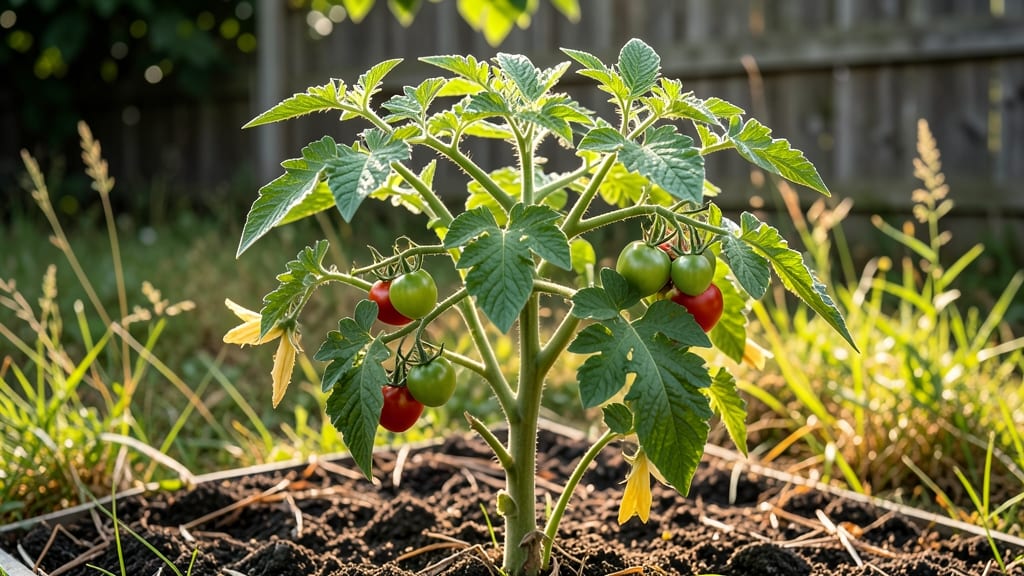
Recognizing tomato leaf types saves my garden from blight and wilt every season. 🌿 Those jagged heirloom leaves? Totally different from the thick, waxy hybrids that shrug off fungal spores. Leaf shape isn't just decoration—it's your early warning system for what's growing beneath.
The deep-lobed leaves of 'Brandywine' signal classic flavor but need perfect spacing to avoid disease, while the small, smooth leaves of 'Early Girl' pack disease resistance into compact plants.
I learned the hard way that leaf texture matters: fuzzy leaves like 'Cherokee Purple' resist rain rot, while glossy varieties need overhead protection. You'll spot the differences in just 30 seconds of close inspection—serrated edges, hairy stems, or the waxy coating that repels water.
These traits predict everything from yield to how well your plants handle your local humidity. Once you master leaf ID, you'll pick varieties that match your climate and space. Here's how to match leaf types to your garden's needs.
📚 In This Guide
- What you need
- Instructions
- Tips and common mistakes
- Wrapping up and next steps
What you need
- ● Tomato seedlings or seeds: 3–5 disease-resistant varieties (e.g., Early Girl, Solar Fire, or Mountain Merit)
- ● Seeds: 1 packet (50–100 seeds) or seedlings from a nursery
- ● Potting soil: 5–10 gallons of high-quality, well-draining potting mix (look for labels like "organic" or "seed-starting mix")
- ● Containers or garden beds: For seedlings: 4–6-inch pots (1 per seedling) or seed trays
- ● For transplanting: 5-gallon grow bags or garden plots (12–18 inches deep)
- ● Fertilizer: Balanced organic fertilizer (e.g., 5-5-5 or 10-10-10) or compost tea
- ● Slow-release granules (1–2 tbsp per plant at planting)
- ● Watering supplies: Watering can or hose with a gentle spray nozzle
- ○ Drip irrigation kit (optional but helpful for consistent moisture)
- ● Pruning tools: Bypass pruners (sharp and sanitized)
- ● Garden shears (for larger leaves or suckers)
- ● Leaf identification guide or app (e.g., PlantNet or PictureThis) for spotting leaf types and diseases
- ● Mulch (straw or shredded leaves) to retain soil moisture and suppress weeds
- ● Neem oil or copper fungicide (for preventive care against pests/diseases)
- ● Garden journal or notebook to track leaf development and plant health
- ● Gloves (to protect hands while handling plants or soil)
How to identify and use tomato leaf types for healthier plants
Understanding your tomato plant's leaf structure is the first step toward preventing disease and maximizing yield.
🌿 Step 1: Recognize the Three Key Leaf Types
Tomato plants produce three distinct leaf types, each serving a unique role. Start with the seed leaves (cotyledons)—these are the first two broad, rounded leaves that appear after germination. They're your signal that germination succeeded, but they don't perform photosynthesis like true leaves.
Next come the true leaves, which appear after the cotyledons. These are compound leaves with 5-9 serrated leaflets arranged in a pinnate pattern. These leaves are where most photosynthesis happens, so their health directly impacts fruit production. Pay close attention to their color—deep green means strong growth, while yellowing signals nutrient issues.
Finally, watch for the mature leaves that develop higher up the stem. These are larger and more deeply lobed than true leaves. They're the plant's last line of defense against pests and diseases, often showing early signs of trouble like brown edges or spots.
🌱 Step 2: Learn How Leaf Structure Affects Disease Resistance
The arrangement and texture of tomato leaves play a huge role in disease prevention. Plants with hairy stems and leaves (like 'Cherokee Purple') naturally repel pests and resist fungal diseases better than smooth-leaved varieties. These fuzzy leaves create a physical barrier that deters insects and slows moisture buildup.
Notice how some leaves have deeply serrated edges while others are more lobed. The serrated types (common in heirlooms) allow better air circulation around the plant, reducing humidity levels where fungal spores thrive. In contrast, smooth-leaved varieties need more careful spacing to prevent crowding and disease spread.
Here's the thing—leaf shape also affects sunlight exposure. Plants with broader, flatter leaves cast more shade on lower leaves, creating damp conditions that encourage blight. Varieties with upward-growing leaves (like 'Solar Fire') naturally improve air flow throughout the plant.
✂️ Step 3: Prune Based on Leaf Type for Optimal Growth
When pruning, focus on removing leaves that show signs of disease first—especially the lower, mature leaves. These are most vulnerable to soil-borne pathogens like early blight. Use clean, sharp pruners and make cuts at a 45-degree angle just above a leaf node to encourage new growth.
Preserve the middle true leaves as long as possible—they're the plant's energy producers. Only remove them when they're completely yellow or spotted. I always leave at least three leaf clusters below any fruit cluster to maintain photosynthesis for developing tomatoes.
For indeterminate varieties, watch how new leaves emerge at the top. These young leaves are most sensitive to transplant shock and temperature fluctuations. If they appear curled or discolored, it's often a sign of stress from recent changes—like moving to a new location or sudden heat waves.
💧 Step 4: Adjust Care Based on Leaf Health Indicators
Leaf color is your most reliable indicator of plant needs. Dark green leaves mean your plant is thriving, while light green or yellowing signals nitrogen deficiency. In this case, add a balanced fertilizer with more nitrogen (like a 10-10-10) and water deeply to help roots absorb nutrients.
Brown edges on leaves usually mean your plant is thirsty or suffering from salt buildup. Flush the soil with 2-3 gallons of water to remove excess salts, then adjust your watering to keep soil consistently moist but not soggy. You'll know moisture is right when the top inch of soil feels damp to touch.
If you notice purple or red tinges on undersides of leaves, your plant needs phosphorus. Switch to a fertilizer with higher phosphorus content (like a 5-10-5 ratio) and ensure temperatures stay between 65-85°F—extreme heat stresses plants and causes this discoloration.
☀️ Step 5: Position Plants Based on Leaf Characteristics
Leaf size and shape determine how much shade your tomato plants will cast on each other. Varieties with large, broad leaves (like 'Brandywine') need at least 3 feet of spacing between plants to prevent crowding. This spacing improves air circulation and reduces disease risk.
Plants with smaller, more compact leaves (like 'Tiny Tim') can grow in 18-inch pots or spaced 18 inches apart in the garden. These varieties are perfect for containers or small spaces where you need to maximize yield per square foot.
Pay attention to how leaves respond to sunlight. If you notice bleached or yellow patches on upper leaves, your plants are getting too much direct sun—especially during hot afternoons. Provide afternoon shade (like with a shade cloth) to prevent leaf scorch while still giving them 6-8 hours of morning sun for best fruit production.
Tips & tricks for mastering tomato leaf identification
Here's what nobody tells you about reading your tomato plants like a pro—these tricks will help you diagnose issues before they become serious.
Visual Diagnosis: When examining your tomato leaves, focus on the undersides first—this is where early signs of pests or fungal diseases often appear. Look for tiny webs (spider mites), sticky residue (aphids), or powdery coatings (powdery mildew). I've caught early blight this way by noticing the characteristic yellowing on the undersides of mature leaves before it showed on top.
Leaf Texture Clues: The hairiness of leaves is your first line of defense against pests. Varieties like 'Cherokee Purple' have naturally fuzzy leaves that repel insects, while smooth-leaved types need extra vigilance. Run your fingers gently over leaves—rough, fuzzy textures indicate better disease resistance, while smooth leaves signal you'll need to monitor spacing and airflow more carefully.
Sunlight Strategy: Remember that 6-8 hours of morning sun is ideal for tomato plants, but leaf shape determines how they handle afternoon heat. Plants with upward-growing leaves (like 'Solar Fire') naturally deflect excess sunlight, while varieties with broad leaves may need afternoon shade to prevent leaf scorch. I always check for bleached patches on upper leaves as my signal to provide temporary shade during peak afternoon sun.
Pruning Precision: When removing lower mature leaves in Step 3, make sure your cuts are clean and at a 45-degree angle just above a leaf node. This technique encourages new growth while preventing disease entry points. I've seen many gardeners make straight cuts that leave ragged edges—these are perfect entry points for pathogens. Always sterilize your pruners between cuts with rubbing alcohol.
Pro Tips for Tomato Leaf Types
- Here's what nobody tells you about reading your tomato plants like a pro—these tricks will help you diagnose issues before they become serious.
- Visual Diagnosis: When examining your tomato leaves, focus on the undersides first—this is where early signs of pests or fungal diseases often appear.
- Leaf Texture Clues: The hairiness of leaves is your first line of defense against pests.
Frequently asked questions
Got questions about tomato leaf types and how they impact your garden? Here are some common ones—and their answers—to help you grow healthier, more resilient tomato plants!
What are the most common tomato leaf types, and how do they differ?
The three main types are regular (smooth), pubescent (hairy), and potato-leaf. Regular leaves are smooth and oval-shaped, pubescent leaves have fine hairs (great for disease resistance), and potato-leaf varieties have deeply lobed, potato-like foliage. Each type affects growth speed, disease resistance, and even flavor!
How can I tell if my tomato leaves are diseased vs. just a different variety?
Diseased leaves often show yellow spots, black edges, or mold (like early blight or septoria). Healthy tomato leaf types may have rough textures, hairs, or unique shapes—but never irregular browning or wilting. If in doubt, snap a photo and compare it to disease databases like Penn State’s tomato disease guide.
Do tomato leaf types affect how fast the plant grows?
Yes! Potato-leaf varieties tend to grow faster and produce larger yields, while pubescent leaves (like those on heirloom varieties) may grow slower but offer better disease resistance. Regular leaves are a balanced middle ground. Choose based on your climate and desired harvest speed!
Can I change a tomato plant’s leaf type after it’s grown?
Nope! Leaf type is genetic—you can’t alter it post-planting. However, you can improve disease resistance by pruning properly, using mulch, or selecting disease-resistant varieties with the right leaf traits for your region.
Are there tomato varieties with leaves that repel pests naturally?
Pubescent (hairy) leaves
(like those on ‘Mountain Merit’ or ‘Defiant PhR’) deter pests like aphids and whiteflies. Some varieties, like ‘Cherokee Purple’, also have thick, waxy leaves that resist cracking and fungal issues. Pair leaf type with companion planting (e.g., basil or marigolds) for extra pest control!
Wrapping up and next steps
Understanding tomato leaf types is your first line of defense in growing thriving, disease-resistant plants! 🌱 Whether you’re drawn to the rugged durability of Potato Leaf varieties or the lush elegance of Regular Leaf hybrids, each type offers unique advantages for your garden.
With the right knowledge and tools—like proper pruning, disease-resistant varieties, and smart soil care—you’re well on your way to a bountiful harvest.
Ready to take the next step? Experiment with a few varieties in your garden this season and observe how they thrive in your climate. Happy growing—your future tomatoes are waiting! 🍅✨