
Pests and Diseases
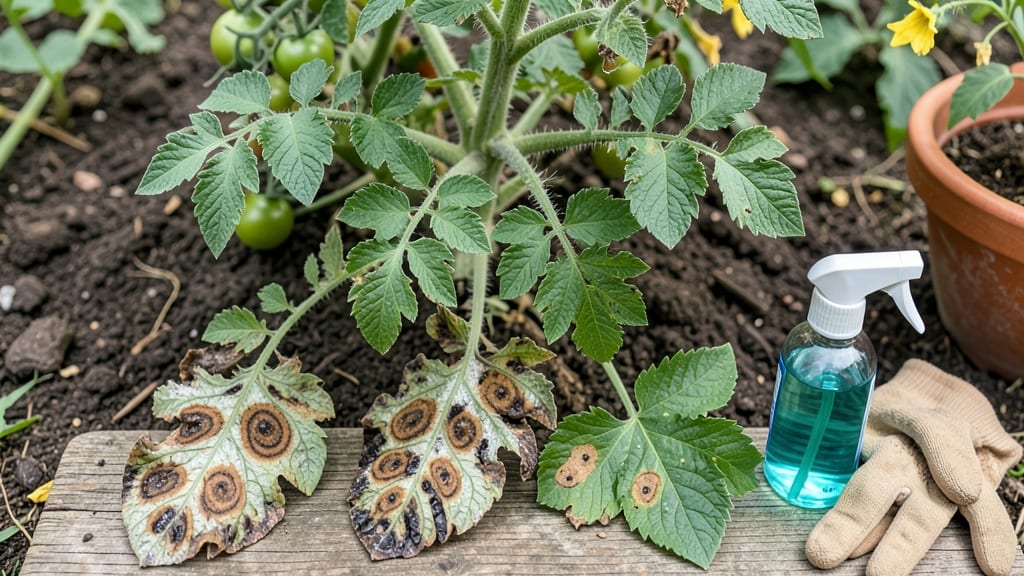
When the disease in tomato leaves starts turning brown or spotted, you're staring at a 50% yield loss if you don't act fast. 🌱 I've lost entire plants to late blight in just 48 hours—those black, greasy-looking spots spread like wildfire.
The good news? Catching it early turns a potential disaster into a quick fix with the right moves.
First, confirm what you're dealing with: early blight shows up as brown, concentric rings on lower leaves, while late blight creates irregular yellow patches that turn black and greasy.
The moment you spot either, grab copper fungicide (for late blight) or a baking soda spray (for early blight), and prune infected leaves immediately. Within 3-5 days of treatment, the spread slows dramatically.
📚 In This Guide
- What you need
- Instructions
- Tips and common mistakes
- Wrapping up and next steps
What you need
- ● Tomato plants: Healthy and affected plants for comparison (1-2 plants per type if possible).
- ● Magnifying glass or hand lens: 10x magnification (for inspecting leaf spots up close).
- ● Pruning shears or sharp scissors: Sterilized (rubbing alcohol wipe) for trimming infected leaves.
- ● Disposable gloves: Nitrile or latex (1 pair) to protect your hands.
- ● Spray bottle (8 oz): For applying fungicides or homemade remedies.
- ● Labeling tags or sticky notes: To mark infected plants or garden sections.
- ● Fungicide (copper-based or chlorothalonil): Follow label instructions for dilution (e.g., Bonide Copper Fungicide or Ortho Garden Disease Control).
- ● Watering can or hose with adjustable nozzle: For rinsing leaves or diluting solutions.
- ● Plastic bags or paper sacks: 2-3 medium-sized bags for collecting and disposing of infected plant debris.
- ● Notebook and pen: To record symptoms, dates, and treatment progress.
- ● pH test kit: To check soil acidity (ideal range: 6.0–6.8 for tomatoes).
- ● Compost bin: For safely disposing of diseased plant material (avoid adding to garden soil).
- ● Neem oil or baking soda solution: Homemade fungicide alternative (1 tsp baking soda + 1 quart water + few drops of dish soap).
- ● Digital camera: To document symptoms for later reference or expert consultation.
- ● Garden twine or stakes: For supporting plants and improving airflow (reduces humidity-related diseases).
How to identify and treat tomato leaf diseases quickly
Here's how I spot and stop early and late blight before they ruin your harvest—no panic, just action.
🌿 Step 1: Inspect Leaves Daily for Early Warning Signs
Start by examining the lower leaves first—these are where early blight shows up first. Look for small, brown spots with concentric rings that resemble bullseyes. These spots start on the edges and work inward. Late blight, meanwhile, appears as greasy, dark brown or black spots that spread rapidly, often with a white mold on the underside of leaves.
Check leaves every 2-3 days, especially after rain or watering. Early detection is everything—once you see these spots, the disease spreads fast. I always run my fingers over the leaves to feel for any unusual texture, which helps me catch problems before they're obvious.
💧 Step 2: Remove Infected Leaves Immediately
When you spot infected leaves, don't hesitate—snip them off with clean pruners. Place the clippings in a sealed plastic bag and throw them in the trash, not the compost. This prevents spores from spreading to other plants or reinfecting your tomatoes. I like to do this in the morning so the plant has the whole day to recover and focus on healthy growth.
Make sure to sterilize your pruners with rubbing alcohol between cuts. This is a critical step—contaminated tools can transfer the disease from one leaf to another. After removing infected leaves, give your plant a gentle shake to help it distribute its energy more evenly.
☀️ Step 3: Adjust Watering and Spacing to Prevent Spread
Water your tomatoes at the base of the plant, avoiding the leaves entirely. Wet foliage creates the perfect environment for blight spores to thrive. I use a soaker hose or drip irrigation system to keep the soil moist without splashing water on the leaves. Water in the early morning so the leaves have time to dry completely before nightfall.
Also, make sure your plants have good airflow. Crowded plants stay damp longer, which encourages disease. If your tomatoes are in containers, space them 18-24 inches apart. In the garden, thin out any overcrowded plants immediately. Prune any branches that are touching the ground or other plants.
✂️ Step 4: Apply Organic Fungicides at First Sign of Trouble
If you catch the disease early, a mix of baking soda and neem oil can work wonders. Combine 1 tablespoon of baking soda, 1 tablespoon of vegetable oil, and a drop of dish soap in a gallon of water. Spray this mixture on the upper and lower sides of leaves every 5-7 days until the problem clears up. This creates an alkaline environment that discourages fungal growth.
For more severe cases, use a copper fungicide according to the package instructions. I like to apply it in the evening when temperatures are cooler, as this reduces the risk of leaf burn. Always follow up with a light watering to help the fungicide adhere to the leaves. Reapply after heavy rain to maintain protection.
⏰ Step 5: Monitor and Repeat as Needed
Keep an eye on your plants for at least 2 weeks after treating them. New leaves should emerge free of spots, and the existing ones should start to look healthier. If you see any new signs of disease, repeat the treatment process immediately. I also like to keep a small notebook nearby to track when I apply treatments and how the plants respond.
If the disease persists or spreads despite your efforts, consider removing the entire plant to prevent it from infecting nearby crops. This is a tough call, but it's better than losing your whole garden. Once the plant is removed, clean the area thoroughly with a bleach solution to kill any remaining spores.
Tips & tricks for spotting and stopping tomato leaf diseases
These quick tips will help you catch and control blight before it wrecks your tomato harvest.
Early Detection is Key: In Step 1, when inspecting leaves every 2-3 days, focus on the undersides too—late blight often starts there with that telltale white mold. I've caught early blight by noticing how the brown spots feel slightly raised when I run my fingers across them. This tactile check is faster than waiting for visual changes.
Tool Sanitation Matters: The pruners you use in Step 2 need more than just a quick wipe. After cutting infected leaves, I soak my pruners in a 1:9 bleach-to-water solution for 30 seconds, then rinse thoroughly. This kills any lingering spores that could jump to healthy leaves. Don't skip this—contaminated tools are the #1 way blight spreads between plants.
Watering Timing is Critical: That early morning watering in Step 3 isn't just about convenience—it gives leaves a full day to dry completely. I've seen blight flare up overnight when plants stayed wet from evening watering. If you must water in the evening, do it at least 4 hours before sunset to prevent prolonged moisture on leaves.
Fungicide Application Strategy: When mixing your baking soda solution in Step 4, stir it well and let it sit for 10 minutes before spraying. This allows the ingredients to fully combine and creates a more effective protective layer. For copper fungicide, I apply it when temperatures are below 80°F—hotter conditions can cause leaf burn. Always test a small area first to check for sensitivity.
Pro Tips for Tomato Leaves Disease
- These quick tips will help you catch and control blight before it wrecks your tomato harvest.
- Early Detection is Key: In Step 1, when inspecting leaves every 2-3 days, focus on the undersides too—late blight often starts there with that telltale white mold.
- Tool Sanitation Matters: The pruners you use in Step 2 need more than just a quick wipe.
Frequently asked questions
Got questions about tomato leaf diseases? You’re not alone!
Here are some of the most common concerns—and quick, actionable answers to keep your plants thriving.
What’s the difference between early blight and late blight on tomato leaves?
Early blight causes brown, concentric rings on lower leaves (starting at the edges), while late blight shows up as dark, greasy spots with white mold on both leaves and fruit. Early blight spreads slowly; late blight moves fast and can destroy plants in days. Diagnose early to stop it!
How soon can I see signs of tomato leaf disease after planting?
Early blight may appear 4–6 weeks after transplanting, especially in warm, humid weather. Late blight can strike within 7–10 days if spores are present. Check leaves weekly—catching it early means easier treatment and saved harvests!
Can I save my tomato plants if they already have blight?
Yes! For early blight, prune infected leaves, space plants wider for airflow, and apply copper fungicide every 7–10 days. Late blight? Act fast: Remove all infected plants (don’t compost them!), sterilize tools, and treat with fungicide immediately. Prevention is key—learn how to protect next season’s crop.
Are there blight-resistant tomato varieties I can grow instead?
Look for hybrids like ‘Mountain Merit,’ ‘Defiant PhR,’ or ‘Jet Star’ (all resistant to early blight). For late blight, ‘Iron Lady’ or ‘Cherokee Purple’ are tougher choices. Rotate crops yearly to reduce soil-borne spores—plant tomatoes in a different spot each season.
Does rain or overhead watering make tomato blight worse?
Yes!
Wet leaves create the perfect breeding ground for blight spores. Water at the base (not overhead) and avoid evening watering—leaves need 4+ hours to dry. Use drip irrigation or soaker hoses, and prune for airflow to speed drying. See best practices here.
What should I do with tomato leaves that have blight?
Do NOT compost them!
Burn or double-bag infected leaves in the trash to prevent spore spread. Sterilize pruners with rubbing alcohol or a 10% bleach solution between cuts. If late blight is confirmed, remove the entire plant and dispose of it properly.
Still stumped?
Snap a photo of the symptoms and compare it to our disease comparison chart—or tag us on social for a second opinion!
Wrapping up and next steps
Identifying and tackling tomato leaves disease—whether early blight or late blight—starts with vigilance and action. 🌱 By recognizing the signs (like concentric rings or greasy spots) and acting fast with organic or chemical treatments, you can protect your garden and ensure a bountiful harvest. Don’t let these diseases spread! Start by inspecting your plants regularly, remove infected foliage, and rotate crops next season to break the cycle.
You’ve got this! With the right knowledge and tools, your tomatoes will thrive. Happy gardening! 🌿