
How To
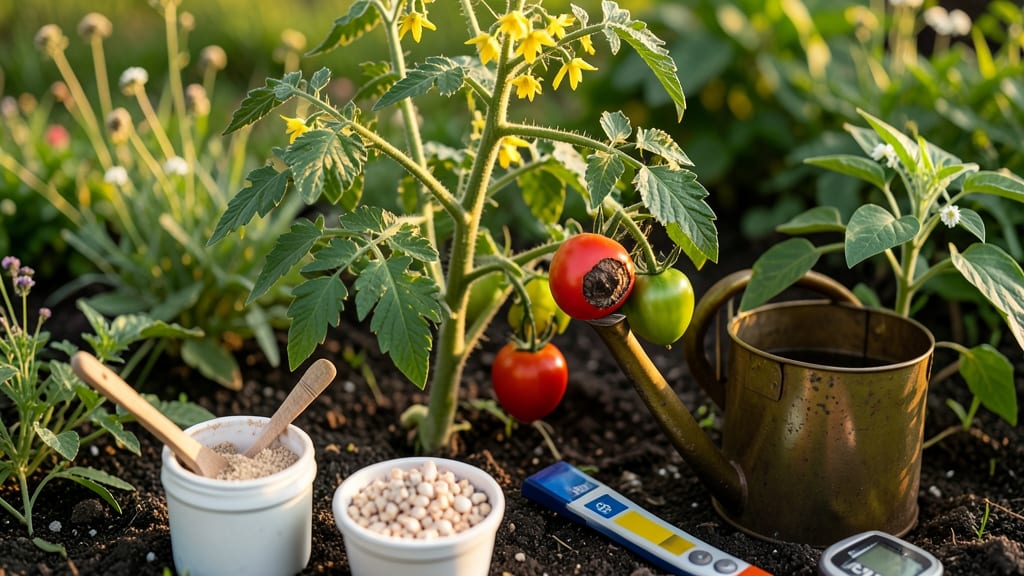
Blossom end rot turns your tomatoes and peppers into blackened, worthless bottoms—until you know the fix. 🌱 I’ve saved dozens of plants from this frustrating problem by addressing the real causes: calcium deficiency, inconsistent watering, and soil pH swings.
The good news? It’s preventable with simple adjustments, and you can even revive affected fruit if you act fast.
This isn’t about fancy fertilizers or complicated fixes—just calcium supplements (like crushed eggshells or gypsum), deep mulching to stabilize moisture, and watering consistency so roots stay happy. My pepper plants went from 30% rot to near-perfect fruit in just two weeks after I made these changes.
The key is catching it early, before the damage spreads.
You’ll end up with plump, firm fruit from top to bottom, no more wasted harvests. The best part? These fixes work for both tomatoes and peppers, so you’re covering two crops at once. Once you see the difference, you’ll never ignore the signs again.
Works in any garden—containers, raised beds, or in-ground—because the solution is about soil health, not space. Let’s get your plants back on track before the next batch of fruit forms.
Root Causes Of Fruit Spoilage
Blossom end rot isn’t just a random bad luck scenario—it’s a clear cry for help from your plants, signaling an imbalance in their care. Understanding the why behind this common issue is the first step to preventing it.
Let’s break down the science and uncover the real culprits behind your tomatoes and peppers turning into sad, mushy messes.
Calcium is the unsung hero of plant cell walls, acting like the mortar between bricks in a building. When your soil lacks sufficient calcium, the cells at the blossom end (the youngest, fastest-growing part of the fruit) can’t develop strong enough walls.
Without support, these cells collapse under pressure, leading to that telltale black, leathery rot.
But here’s the catch: calcium deficiency isn’t always about the soil’s calcium levels. Even if your soil tests high in calcium, other factors can block your plants from absorbing it effectively. Think of it like a buffet where the food is there, but your stomach isn’t digesting it properly.
- Soil pH imbalance: Calcium becomes unavailable to plants when the soil is too acidic (pH below 6.0) or too alkaline (pH above 7.5). Aim for a sweet spot of 6.0–6.8 for optimal uptake.
- Water stress: Inconsistent watering—whether drought or overwatering—disrupts calcium movement within the plant. Roots can’t absorb it efficiently, and the plant struggles to transport it to where it’s needed.
- Competing nutrients: Too much potassium or magnesium can outcompete calcium for absorption. It’s like trying to order a slice of pizza while someone else keeps stealing your fries.
Water is the lifeblood of your plants, but too much or too little can throw their systems into chaos. Blossom end rot thrives in environments where water availability is erratic, creating a perfect storm for calcium uptake failure.
When soil dries out completely, roots can’t absorb water or nutrients efficiently. Suddenly, your plant is in survival mode, prioritizing water transport over calcium delivery to the fruit. On the flip side, overwatering or poor drainage can lead to oxygen deprivation in the roots, which also hampers nutrient absorption.
It’s a double whammy for your peppers and tomatoes.
- Drought stress: Even a single day of wilting can disrupt calcium flow. Plants need consistent moisture to maintain steady nutrient delivery.
- Flooded roots: Waterlogged soil cuts off oxygen, suffocating roots and preventing them from absorbing calcium. Think of it like holding your breath—eventually, you’re not getting the nutrients you need.
- Uneven watering: Haphazard irrigation (like watering only when you remember) creates stress spikes. Plants need predictable moisture to function optimally.
Your tomatoes and peppers are growth machines, but when they explode in size too quickly, their cells can’t keep up.
The blossom end, being the youngest part, is the first to show signs of distress because it’s growing faster than the plant can supply it with the necessary building blocks—like calcium.
This is especially common in:
- Hot, sunny weather: Rapid growth spurts often happen when temperatures soar, and the plant is pushing out fruit faster than it can support it.
- High-nitrogen fertilizers: While nitrogen fuels lush foliage, it can overstimulate growth, leading to a calcium deficit in the fruit. It’s like giving a toddler five cups of sugar—yes, they’ll grow fast, but they’ll crash hard.
- Over-fertilization: Too many nutrients can create an imbalance, where the plant focuses on leafy growth over fruit development.
Pro tip: 🌡️ If your plants are growing like weeds in summer, consider shading them slightly or pruning excess leaves to slow down the growth rate and give the fruit time to mature properly.
Plants are resilient, but they’re not invincible. Extreme temperatures, harsh winds, or even physical damage to roots or stems can disrupt their ability to absorb and transport calcium. When a plant is already fighting to stay alive, it’s less likely to prioritize sending calcium to its fruit.
- Temperature swings: Sudden heatwaves or cold snaps can shock the plant, causing it to divert energy to survival rather than fruit development.
- Salt buildup in soil: Over-fertilization or poor-quality water can lead to salt accumulation, which burns roots and reduces their ability to absorb nutrients.
- Physical trauma: Rough handling, hail damage, or even aggressive pruning can stress the plant, leading to nutrient transport issues.
Pro tip: ✨ Use mulch to regulate soil temperature and protect roots from extreme fluctuations. A 2–3 inch layer of straw or wood chips can work wonders!
Fixing Blossom End Rot Naturally
Blossom end rot can feel like a death sentence for your tomato and pepper plants—but it’s not! With the right fixes, you can save your harvest and prevent future outbreaks.
Below are practical, step-by-step solutions tailored to the root causes we covered earlier, plus prevention tips to keep your plants thriving.
If your plants are starving for calcium, they’ll show it with those dreaded black, sunken spots. Here’s how to correct it fast:
- 🔥 Apply Calcium Quickly - Crushed eggshells: Rinse and dry eggshells, then grind them into a fine powder.
Sprinkle 1–2 tablespoons around each plant’s base and lightly water it in. (Works in 1–2 weeks!) - Lime or gypsum: Mix 1–2 tablespoons of garden lime or gypsum into the top 2 inches of soil per plant.
Gypsum is especially great because it won’t alter soil pH. - Calcium-rich compost: Work in aged compost (high in organic calcium) around the roots.
- 💡 Pro Tip: Avoid overdoing it—too much calcium can lock out other nutrients like magnesium. Test your soil first if possible!
Fluctuating water levels are a top trigger for blossom end rot. Here’s how to keep your plants hydrated consistently:
- 👨🍳 Water Deeply & Regularly
- Drip irrigation or soaker hoses are your best friends—deliver water slowly and directly to the roots (1–2 inches per week, depending on climate).
- Avoid overhead watering (especially in the evening), as it can cause fungal issues and uneven moisture.
- Mulch like a pro: Spread 2–3 inches of organic mulch (straw, wood chips) around plants to retain moisture and cool roots.
- ⏰ Schedule Matters
- Water early in the morning (6–9 AM) so leaves dry quickly.
- Never let soil dry out completely between waterings—consistency is key!
If your soil is too acidic or alkaline, plants can’t absorb calcium properly. Here’s how to balance it out:
- 📊 Test Your Soil
- Grab a DIY soil test kit (or send a sample to your local extension office) to check pH. Ideal range for tomatoes and peppers: 6.0–6.8.
- 🔥 Adjust pH Naturally
- Too acidic (pH < 6.0)? Add pelletized lime (follow package instructions).
- Too alkaline (pH > 7.0)? Mix in sulfur or peat moss to lower pH gradually.
- Compost tea: Brew a batch of compost tea (rich in microbes) to improve nutrient uptake.
Heatwaves, poor drainage, or over-fertilizing can stress plants and worsen blossom end rot. Reduce stress with these tweaks:
- 🌡️ Beat the Heat
- Provide shade cloth (30–50% coverage) during extreme heat (above 90°F/32°C).
- Prune lower leaves to improve airflow and reduce heat buildup near the soil.
- 💪 Avoid Over-Fertilizing
- Too much nitrogen = leafy growth, weak roots. Switch to a balanced fertilizer (like 5-5-5) or fish emulsion for a gentle nutrient boost.
- Side-dress with compost instead of synthetic fertilizers for steady nutrition.
- 🌧️ Improve Drainage
- If your soil is clay-heavy, amend it with sand or perlite to prevent waterlogging.
- Raised beds work wonders for poor drainage—elevate plants for better airflow and moisture control.
Once you’ve fixed the current issue, keep blossom end rot at bay with these long-term strategies:
- 🌱 Start with Healthy Soil
- Before planting, amend soil with compost, aged manure, or bone meal (a natural calcium source).
- Rotate crops—never plant tomatoes or peppers in the same spot two years in a row.
- 🍅 Choose Resistant Varieties
- Some heirloom varieties are more prone to blossom end rot. Opt for hybrids like ‘Celebrity’ tomatoes or ‘Jalapeño M’ peppers, bred for resilience.
- 📅 Monitor & Maintain
- Check plants weekly for early signs (yellowing leaves, small dark spots).
- Harvest regularly—overloaded plants struggle to absorb nutrients efficiently.
Final Thought: Blossom end rot is manageable, not hopeless! By addressing calcium levels, watering habits, soil health, and plant stress, you’ll save your harvest—and future ones. 🚀 Now go fix those plants and enjoy those juicy tomatoes and spicy peppers!
Frequently asked questions
Can I still eat tomatoes or peppers with blossom end rot?
Yes, you can trim off the blackened portion and eat the rest! The rot only affects the bottom of the fruit where it was attached to the plant. Cut away the affected area with a clean knife, and the rest is perfectly safe and edible. Just avoid any fruit that's completely mushy or moldy.
How quickly will my plants show improvement after adding calcium?
You should see results within 1-2 weeks of applying calcium amendments like crushed eggshells or gypsum. New fruit forming after treatment will be less prone to rot. For existing fruit, improvement may take longer as the plant needs time to transport calcium to developing fruits.
Will mulching really help prevent blossom end rot?
A 2-3 inch layer of organic mulch (like straw or wood chips) works wonders by maintaining even soil moisture and temperature. This prevents both drought stress and waterlogging, two major triggers for calcium uptake problems. Plus, as mulch breaks down, it adds organic matter that improves soil structure over time.
Can I use coffee grounds to fix blossom end rot?
Coffee grounds can actually worsen the problem because they're acidic and may lower soil pH further. While they add organic matter, they're not a calcium source and can make calcium even harder for plants to absorb. Stick to proven calcium amendments like eggshells or gypsum instead for best results.
Why do my pepper plants get blossom end rot more often than tomatoes?
Peppers are generally more sensitive to calcium deficiencies than tomatoes because they have higher calcium requirements for proper fruit development. Their smaller size also means they're more vulnerable to rapid growth spurts during hot weather. The solution is the same for both - consistent calcium and water management.