
Vegetables
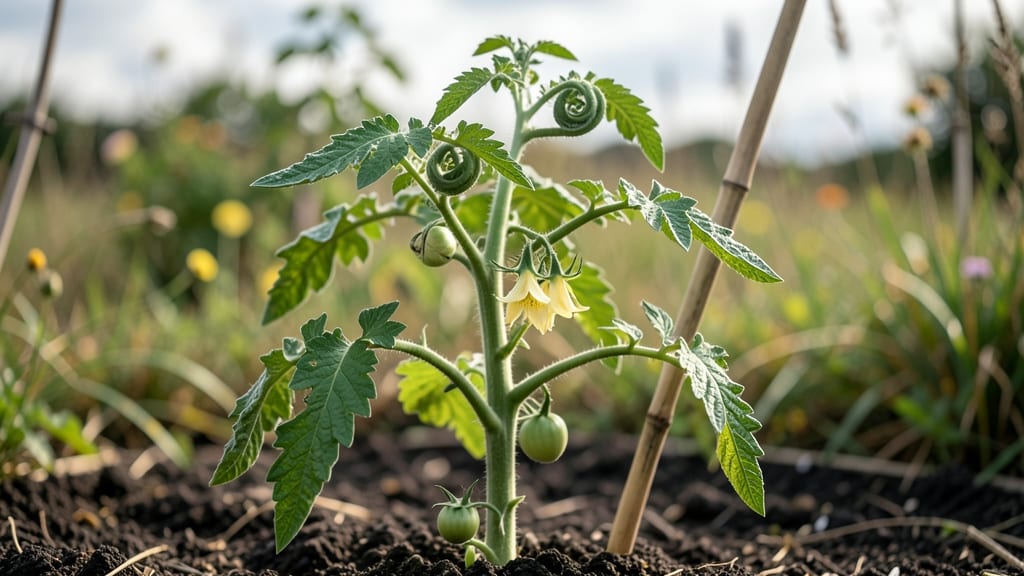
Your tomatoes are rolling their leaves upward like a sad green wave—this physiological leaf roll isn’t a death sentence, but it does need fast action. 🌱 I’ve nursed back plants that looked hopeless, and the key lies in three simple steps that stop the spiral before it’s too late.
Most gardeners panic when they see the classic upward curl and think it’s a virus, but this one actually responds to targeted care.
The culprit? Heat, drought, or uneven watering—your plants are basically wilting from the inside out. Think of it like a tomato’s version of heatstroke: the leaves roll to conserve moisture, but if you don’t adjust their environment, the stress builds until the plant gives up.
The good news? Unlike viral diseases, this one doesn’t spread to other plants, so you can save yours without quarantining the whole garden.
By the time you’re done reading, you’ll know exactly how to prune for airflow, adjust your watering schedule, and even shade your plants without sacrificing fruit production. Within 7-10 days, those curled leaves will flatten out again, and your tomatoes will bounce back—stronger than before.
No fancy tools or chemical sprays required, just smart adjustments.
This works for organic and conventional growers alike, whether you’re dealing with a single plant or a full greenhouse full. The secret? Acting before the stress becomes permanent. Let’s turn those sad, rolled leaves into lush, productive vines again—no panic, just practical fixes.
Root Causes Behind Leaf Roll
Understanding why your tomato plants develop physiological leaf roll starts with identifying the key stressors triggering this condition. Unlike viral or pest-related leaf curl, this issue stems from environmental and physiological factors that disrupt normal plant growth. Let’s break down the primary causes with clear explanations and actionable insights.
Tomatoes thrive in consistent warmth, but sudden shifts—especially hot days followed by cool nights—can send plants into stress mode. When temperatures spike above 90°F (32°C) during the day but drop sharply at night, the plant’s cell expansion mechanisms malfunction.
This causes leaves to roll inward as the plant conserves moisture and energy.
Why it happens:
- Cell wall relaxation (driven by enzymes like expansins) slows down in heat stress, preventing proper leaf unfolding.
- Stomatal closure (to retain water) reduces gas exchange, further stunting growth.
- Root activity declines in fluctuating temps, limiting nutrient and water uptake.
Actionable fix: ✔ Use shade cloth (30-50%) during peak afternoon sun to stabilize temps. ✔ Mulch heavily (straw or black plastic) to regulate soil temperature. ✔ Avoid planting near heat-retaining surfaces (concrete, dark pavement).
Tomatoes are sensitive to both drought and overwatering, but uneven moisture is the biggest trigger for leaf roll. When roots struggle to access water—whether from dry soil, poor drainage, or inconsistent watering—the plant’s turgor pressure (internal water pressure) drops.
Leaves curl as a survival tactic to reduce water loss.
Why it happens:
- Shallow root systems (common in container-grown tomatoes) dry out faster, leading to wilting and rolling.
- Salt buildup in soil (from over-fertilization or hard water) disrupts water absorption at the root level.
- Fungal root rot (from overwatering) can also mimic physiological stress by restricting water flow.
Actionable fix: ✔ Water deeply 1-2 times per week (1-2 inches per session) instead of daily shallow watering. ✔ Use drip irrigation to deliver moisture directly to roots, avoiding leaf wetness. ✔ Test soil moisture with a finger—if the top 2 inches are dry, it’s time to water.
While tomatoes need 16 essential nutrients, specific deficiencies or excesses can trigger leaf roll.
The most critical culprits are: - Potassium (K) deficiency → Weakens cell structure, leading to curling and poor water regulation. - Calcium (Ca) deficiency → Causes blossom-end rot and disrupts cell division in leaves. - Magnesium (Mg) deficiency → Interferes with chlorophyll production, stressing the plant.
Why it happens:
- Over-fertilization with nitrogen (N) (e.g., too much manure or synthetic N) can burn roots, reducing nutrient uptake.
- Acidic or alkaline soil (pH <5.5 or >7.0) locks out essential minerals like phosphorus and calcium.
- Competition from weeds or overcrowded plants starves tomatoes of nutrients.
Actionable fix: ✔ Apply a balanced fertilizer (e.g., 5-10-10) at planting, then switch to a low-N, high-K formula (e.g., 0-0-50) when fruits set. ✔ Add compost or worm castings to improve soil structure and microbial activity. ✔ Test soil pH and amend with lime (to raise pH) or sulfur (to lower pH) as needed.
Aggressive pruning, rough handling during transplanting, or root damage can send tomatoes into a stress spiral. When roots are disturbed, the plant prioritizes regrowth over leaf expansion, causing leaves to roll as a protective response.
Why it happens:
- Over-pruning removes too much foliage, reducing the plant’s ability to photosynthesize and support leaf structure.
- Transplant shock (from uprooting and replanting) disrupts the mycorrhizal fungi that help roots absorb water and nutrients.
- Root circling (in container-grown tomatoes) restricts growth, leading to stunted, curled leaves.
Actionable fix: ✔ Prune strategically—remove only suckers (side shoots) and yellow/diseased leaves, never more than 1/3 of the plant at once. ✔ Transplant in cloudy weather to reduce stress, and water deeply before and after moving plants. ✔ Use larger containers (5+ gallons) if growing in pots to prevent root binding.
While not as common as other causes, strong winds or physical abrasion (e.g., from nearby plants brushing against tomatoes) can damage leaf edges and disrupt cell integrity, leading to rolling. This is especially true for tall, indeterminate varieties that sway in gusts.
Why it happens:
- Leaf tearing exposes tissues to pathogens and increases water loss.
- Stem bending can restrict nutrient flow to upper leaves.
- Salt spray (from windblown soil or ocean air) can also cause osmotic stress, mimicking drought symptoms.
Actionable fix: ✔ Stake or cage plants early to provide support and reduce wind exposure. ✔ Plant windbreaks (e.g., corn or tall grasses) on the north or west side of your garden. ✔ Avoid planting near fans or open windows if growing in containers.
Fixing Wilted Tomato Leaves Fast
If your tomato plants are showing signs of leaf curling, stunted growth, or wilting—likely from physiological leaf roll—don’t panic. With the right approach, you can revive your plants and prevent further damage. Below, we break down solutions based on the most common causes, from quick fixes to long-term prevention.
If high temperatures or sudden stress (like transplant shock) triggered the issue, act fast to cool and stabilize your plants.
🌡️ Provide Immediate Relief
- Shade Cloth Magic 🌿: Install 30-50% shade cloth over your plants during peak sun (10 AM–4 PM). This reduces stress and prevents further leaf scorch.
- Mulch Like a Pro 🌱: Apply a 2–3 inch layer of organic mulch (straw, wood chips, or grass clippings) around the base. This keeps roots cool and retains moisture.
- Water Deeply at Dusk 💦: Instead of light sprinkles, give plants a slow, deep watering in the evening. Aim for 1–1.5 inches per week, adjusting for heatwaves.
💡 Prevention for Next Season
- Choose Heat-Tolerant Varieties 🌶️: Opt for tomatoes like Solar Fire, Heatmaster, or Arkansas Traveler, bred to handle heat better.
- Drip Irrigation Setup 🚰: Install a drip system to deliver water directly to roots, avoiding leaf burn and uneven moisture.
- Avoid Midday Planting ⏰: If transplanting, do it in the early morning or late afternoon to minimize shock.
If your soil is deficient in key nutrients (like potassium or calcium) or overloaded with salts, your tomatoes will signal distress with curled leaves. Here’s how to balance it out.
🔬 Test and Amend Soil
- DIY Soil Test Kit 🧪: Grab a home soil test kit (or send a sample to your local extension office) to check pH and nutrient levels. Ideal pH for tomatoes: 6.0–6.8.
- Flush Salty Soil 💧: If your soil is salty (common with tap water or over-fertilization), leach it with 2–3 inches of water over 2–3 days to wash out excess salts.
- Feed the Right Way 🍽️:
- Potassium Boost: Mix in 1 tbsp of greensand or wood ash per plant (or use a balanced fertilizer like 5-10-10).
- Calcium Rescue: Sprinkle crushed eggshells or oyster shell grit around the base (or use calcium nitrate in water).
🌱 Long-Term Soil Health
- Compost Tea Treatment 🍄: Brew a compost tea (steep compost in water for 24–48 hours, strain) and use it as a foliar spray or soil drench every 2 weeks.
- Crop Rotation Rule 🔄: Avoid planting tomatoes (or nightshades like peppers/eggplants) in the same spot for 3+ years to prevent nutrient depletion.
- Avoid Over-Fertilizing ⚠️: More fertilizer ≠ better. Follow package rates and split applications every 2–3 weeks.
While physiological leaf roll isn’t caused by pests, secondary infections (like spider mites or fungal issues) can worsen symptoms. Keep your plants healthy and pest-free.
🐜 Inspect and Treat Infestations
- Neem Oil Spray 🌿: Mix 1 tbsp neem oil + 1 tsp mild soap in 1 quart of water. Spray undersides of leaves where pests hide. Repeat every 5–7 days.
- Beneficial Insects 🐞: Release ladybugs or lacewings to control aphids and mites naturally.
- Prune Damaged Leaves ✂️: Snip off yellowed or curled leaves (sterilize scissors with rubbing alcohol) to improve airflow and reduce fungal risks.
🛡️ Prevent Future Outbreaks
- Row Cover Defense 🛡️: Use floating row covers early in the season to block pests like whiteflies and aphids.
- Interplant with Repellents 🌼: Grow basil, marigolds, or nasturtiums near tomatoes to deter pests naturally.
- Clean Up Debris 🧹: Remove fallen leaves and plant waste from the garden to eliminate hiding spots for pests.
Sometimes, the fix is as simple as tweaking your garden setup. Poor drainage, wind exposure, or root constraints can trigger leaf roll.
🌧️ Improve Drainage and Support
- Raise Planting Beds 🏗️: If your soil drains poorly, amend with perlite or coarse sand or grow tomatoes in raised beds.
- Stake or Cage Properly 🪵: Use tall stakes or sturdy cages to support vines and prevent wind damage. Secure plants with soft ties (not wire).
- Windbreak Barrier 🌬️: Plant a hedge row or use a temporary windbreak (like a bamboo screen) to shield tomatoes from harsh winds.
🌡️ Optimize Temperature and Humidity
- Black Plastic Mulch 🔥: In hot climates, use black plastic mulch to warm soil (helps in cooler areas) and reflect mulch (white or silver) to cool roots in heatwaves.
- Humidity Control 💧: In dry climates, mist leaves early in the morning to boost humidity, but avoid evening misting to prevent fungal issues.
For immediate results, try these emergency fixes to perk up your tomatoes:
- Epsom Salt Soak: Dissolve 1 tbsp Epsom salt in a gallon of water and water plants at the base. Helps with magnesium deficiency.
- Fish Emulsion Foliar Spray: Mix 1 tsp fish emulsion in 1 quart of water and spray leaves for a nutrient boost.
- Compost Tea Foliar Feed: Spray diluted compost tea on leaves to provide micronutrients and strengthen cell walls.
With these targeted solutions, your tomato plants should bounce back within 1–2 weeks. Stay consistent with care, and your harvest will thank you!
Frequently asked questions
How can I tell if my tomato leaves are curling from physiological stress vs. a viral disease?
Physiological leaf roll is non-contagious and caused by environmental factors like heat or drought, while viral diseases (e.g., tomato mosaic virus) spread between plants. Check for yellowing veins (viral) or even curling without spots (physiological). Also, viral curl often appears on new growth first, while stress-induced curling happens on older leaves.
Will my tomato fruits still be safe to eat if the leaves are rolled?
Yes! Physiological leaf roll doesn’t affect fruit quality—the issue is purely cosmetic. The plant may produce slightly smaller tomatoes, but they’ll be just as flavorful. Focus on reviving the leaves, and your harvest will remain unaffected. Just avoid over-pruning stressed plants, as it can reduce fruit set.
How long does it take to see improvement after adjusting care?
With proper fixes (shade, water, or nutrient adjustments), you’ll typically see noticeable recovery in 7–10 days. For severe cases, it may take up to 2–3 weeks for leaves to fully flatten. Monitor progress daily—new growth should appear straighter and healthier within a week if the root cause is addressed.
Can I use chemical fertilizers to fix physiological leaf roll?
Chemical fertilizers can help, but they’re not the first solution. Start with organic fixes like compost tea or Epsom salt before reaching for synthetics. If you choose chemicals, opt for a balanced formula (10-10-10) or a potassium-rich option (0-0-52), but avoid overdoing nitrogen, which worsens stress. Test soil first!
Will pruning help my tomato plants recover faster?
Pruning can help or hurt—use caution! Remove only severely damaged or yellow leaves, never more than 1/3 of the plant at once. Avoid pruning during heatwaves, as it adds stress. Focus on improving root health (water, mulch) first, then prune lightly to boost airflow once the plant stabilizes.