
Vegetables
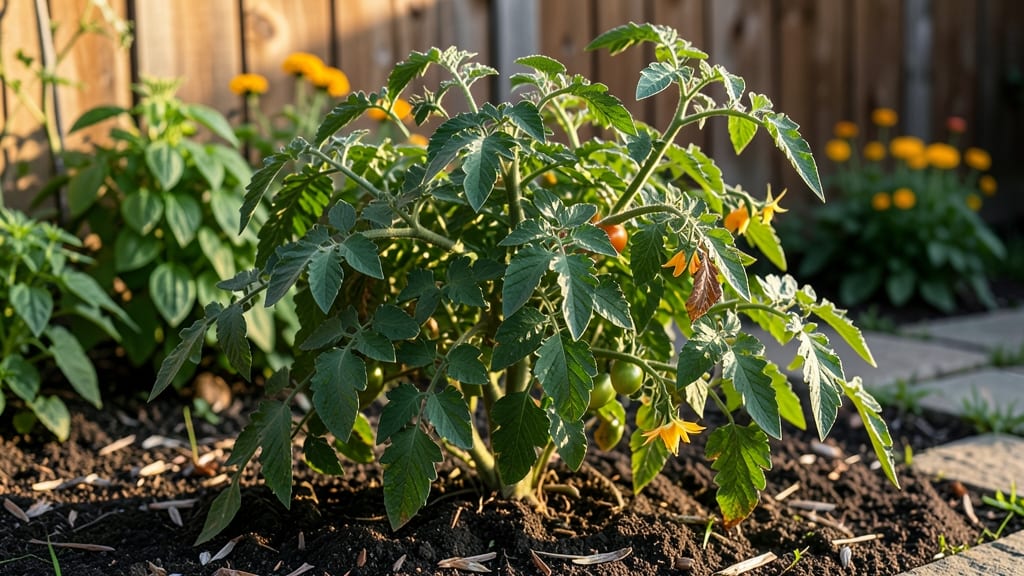
Growing the Tomato Pineapple heirloom means your garden will taste like a tropical vacation. 🌺 This isn’t your average tomato—it’s a sweet, pineapple-flavored fruit with a golden hue that’ll make your neighbors ask for cuttings.
I’ve grown it three summers running, and every bite reminds me of why heirlooms are worth the extra care. The secret to success starts with warm soil and full sun—this plant craves heat like a beach vacation.
Plant after your last frost when soil hits 60°F, and give it a 6-foot-tall trellis (or sturdy stakes) to support its sprawling vines. The fruit ripens in 80-85 days, but patience pays off with flavors store-bought tomatoes can’t match.
You’ll know you’ve nailed it when the first golden fruits blush on the vine, their scent mingling with the garden’s usual earthy notes. A balanced fertilizer (like 5-5-5) every 4 weeks keeps production steady, and mulching retains moisture in the dry heat. The real magic?
Picking them at peak ripeness—fully yellow with a hint of red—for that perfect pineapple-tomato burst. This variety thrives in zones 4-10, making it versatile for most gardens.
Just watch for hornworms (those green devils love it too) and blossom end rot—calcium sprays and consistent watering prevent most issues. Ready to grow a tomato that tastes like dessert?
📚 In This Guide
- What you need
- Instructions
- Tips and common mistakes
- Wrapping up and next steps
What you need
- ● Tomato Pineapple Heirloom Seeds – 5–10 seeds (or 1–2 starter plants if transplanting). Look for Solanum lycopersicum varieties labeled "tomato pineapple."
- ● Containers or Garden Bed – For containers: 5-gallon pots (1 per plant) with drainage holes.
- ● For in-ground: Full sun (6+ hours/day), well-draining soil, and space 2–3 feet apart.
- ● Potting Mix – 10–15 lbs of high-quality, organic potting soil (or a mix of 60% compost, 30% coconut coir, and 10% perlite).
- ● Fertilizer – Balanced organic fertilizer (e.g., 5-5-5 or 10-10-10) for planting.
- ● Tomato-specific fertilizer (high in potassium and phosphorus) for flowering/fruiting.
- ● Watering Can or Hose with a gentle spray nozzle.
- ○ Garden Gloves (optional but recommended for handling prickly stems).
- ● Stakes or Cages – 3–4 ft tall (1 per plant) to support vines.
- ● Pruning Shears for trimming suckers and dead leaves.
- ● Mulch (straw or shredded leaves) to retain moisture and suppress weeds.
- ● Row Covers (frost protection for early/late seasons).
- ● pH Test Kit (ideal soil pH: 6.0–6.8).
- ● Compost Tea for a nutrient boost during growth.
- ● Trellis System (if growing vertically for space-saving).
Step-by-step guide to growing the tomato pineapple heirloom
This unique hybrid brings tropical sweetness and rich tomato depth to your garden—here’s how to coax its bold flavors.
🌱 Step 1: Start Seeds Indoors 8-10 Weeks Before Last Frost
Tomato Pineapple heirlooms thrive when started indoors under controlled warmth. Fill 2-3 inch deep seedling trays with sterile seed-starting mix—never garden soil, which can harbor fungal diseases. Moisten the mix until it’s damp like a wrung-out sponge, then press it down gently to remove air pockets.
Sow seeds ¼ inch deep—any deeper slows germination as the seedling struggles to reach light. I use a toothpick to make small holes and drop one seed per cell. Cover lightly with additional mix, then mist the surface with water until evenly damp. Place trays in a warm spot (75-85°F) like on top of a refrigerator or under a seedling heat mat.
Germination takes 7-14 days, depending on your home’s humidity. Watch for the first true leaves (the second set after the initial cotyledons) before moving seedlings to brighter light. This variety’s tropical lineage makes it sensitive to cold—don’t rush the process.
☀️ Step 2: Provide Bright, Consistent Light for Strong Growth
Once seedlings emerge, they need 14-16 hours of light daily to prevent leggy, weak stems. A south-facing window rarely provides enough intensity, so I recommend a full-spectrum LED grow light positioned 2-4 inches above the plants. Raise it as they grow to maintain that gap—leggy seedlings with pale stems signal light deprivation.
Rotate trays a quarter turn daily so plants grow upright instead of leaning toward the light. You’ll notice sturdy, dark green seedlings with leaves spaced 1 inch apart—this is the ideal growth pattern. Avoid cold drafts, which can shock the plant and stunt its tropical vigor.
Water from the bottom by placing trays in ½ inch of water for 10 minutes. This encourages deep root growth and prevents fungal issues. Let excess water drain completely before returning trays to their growing spot.
🪴 Step 3: Transplant Seedlings After Hardening Off
Two weeks before your last frost date, begin hardening off seedlings by placing them outside in a sheltered, shaded spot for 1-2 hours the first day. Gradually increase outdoor time by 1 hour daily over 10-14 days, slowly introducing more sun and wind. This variety’s tropical heritage makes it sensitive to sudden temperature swings.
Choose a planting site with full sun (6-8 hours daily) and well-draining soil. Amend heavy clay with 2-3 inches of compost to improve drainage—this plant hates soggy roots. Transplant seedlings into holes 12-18 inches apart, burying them slightly deeper than their original containers to encourage strong root development.
Water deeply at the base after transplanting to settle the soil and reduce shock. Mulch around the base with 2 inches of straw or shredded leaves to retain moisture and suppress weeds. The Tomato Pineapple’s tropical roots thrive in consistent moisture, so aim to keep the soil 1-2 inches deep damp but never waterlogged.
✂️ Step 4: Prune and Support for Maximum Fruit Production
This heirloom produces heavy, pineapple-scented fruit that needs support. Install cages or stakes at planting time to avoid damaging roots later. Prune suckers (the small shoots that form in the leaf axils) to direct energy into fruit production. I remove all but the first two suckers per stem to balance growth and yield.
Pinch off the first flower cluster to encourage stronger vine development. Once the plant establishes, you’ll see yellow-green fruit with red stripes—this variety’s signature tropical twist. Harvest when fruit turns fully red and yields slightly to gentle pressure. Ripe Tomato Pineapple heirlooms have a sweet, tangy flavor with hints of pineapple and tomato.
Fertilize lightly every 4-6 weeks with a balanced, organic fertilizer (10-10-10) to support the plant’s vigorous growth. Avoid over-fertilizing, which can lead to excessive foliage at the expense of fruit. This variety’s unique flavor profile rewards careful attention to pruning and support.
Tips & tricks for growing the tomato pineapple heirloom
These practical insights will help you nurture a thriving tropical tomato that delivers on its bold flavor promise every season.
Germination Secrets: The 7-14 day germination window can feel like an eternity, but patience pays off. Place a clear plastic bag over your seedling trays to create a mini greenhouse effect—this traps humidity and speeds up germination by 2-3 days. Just make sure to remove it once sprouts appear to prevent mold. The tropical heritage of this variety means it thrives in warmth, so if your home runs cooler than 75°F, consider using a seedling heat mat for consistent growth.
Lighting Strategy: Those 14-16 hours of daily light are non-negotiable for preventing leggy seedlings. I've found that positioning grow lights on a timer automates this perfectly—no need to remember to turn them on/off. For the 2-4 inch height recommendation, think of it like this: your fingers should just barely fit between the light and seedlings. If you notice leaves stretching toward the light, it's time to raise it immediately. The goal is compact, sturdy growth with leaves spaced 1 inch apart—this indicates healthy photosynthesis.
Transplanting Technique: When hardening off, I've learned that gradual exposure is key—especially for this tropical variety. Start with that 1-2 hour shaded session, but watch for wilting as a sign to bring plants back inside. For the 12-18 inch spacing, think of it as giving each plant enough room to spread its leaves without competing. The deeper planting trick works because tomato plants naturally develop roots along their buried stems, creating a stronger anchor. Just be gentle when removing seedlings from their containers to avoid root damage.
Fruit Development Focus: That first flower cluster deserves special attention. Pinching it encourages the plant to put energy into developing a stronger structure first. For the 4-6 week fertilization schedule, I've found that less is more with this variety—over-fertilizing can actually reduce fruit production. The tropical flavor profile comes from balanced growth, not excessive nitrogen. When you see those yellow-green fruit with red stripes, resist the urge to harvest too early—they'll develop their signature pineapple-tomato flavor when fully ripe and slightly yielding to pressure.
Pro Tips for Tomato Pineapple Heirloom
- These practical insights will help you nurture a thriving tropical tomato that delivers on its bold flavor promise every season.
- Germination Secrets: The 7-14 day germination window can feel like an eternity, but patience pays off.
- Lighting Strategy: Those 14-16 hours of daily light are non-negotiable for preventing leggy seedlings.
Frequently asked questions
Got questions about growing or enjoying tomato pineapple heirloom varieties? You’re not alone! Here are some of the most common queries—and their answers—to help you get the best out of these tropical-tasting tomatoes.
What’s the best way to grow tomato pineapple heirlooms for maximum flavor?
These tomatoes thrive in full sun (6–8 hours daily) and well-draining soil with a pH of 6.0–6.8. Use cage supports or stakes—their vines can get heavy! Prune suckers to focus energy on fruit, and mulch to retain moisture. For extra sweetness, let them ripen fully on the vine (or pick green and ripen indoors with a banana!).
How long does it take for tomato pineapple heirlooms to produce fruit?
From seed, expect 70–90 days to first harvest, depending on your climate. If starting with transplants, you’ll see fruit in 50–70 days. Patience pays off—these tomatoes reward you with a long harvest window (often 2–3 weeks) if cared for properly. Pro tip: Early blooms might drop if temps dip below 55°F—use row covers to protect them!
Can I substitute pineapple tomatoes for other heirlooms in recipes?
Their sweet, tangy flavor works like a cross between pineapple and tomato—perfect for salsas, sauces, or even fresh eating. Swap them 1:1 for cherry tomatoes or roma varieties, but expect a juicier, more aromatic result. Try them in bruschetta or blended into gazpacho for a tropical twist!
What pests or diseases should I watch for with tomato pineapple heirlooms?
Common issues include:
- Blossom end rot (calcium deficiency)—fix with egg shells or calcium supplements.
- Hornworms (voracious eaters)—handpick them or use BT spray.
- Fungal diseases (like early blight)—improve airflow, avoid overhead watering, and rotate crops yearly.
Resistant varieties are rare, so prevention (neem oil, copper sprays) is key!
How do I store harvested tomato pineapple heirlooms to keep them fresh?
Unlike some tomatoes, these don’t ripen well off the vine, so harvest when fully colored. Store at room temp (not the fridge!) for 3–5 days in a paper bag (to trap ethylene gas). For longer storage, freeze them whole or chopped—perfect for winter soups! Pro tip: Avoid washing before storing to prevent mold.
Wrapping up and next steps
Growing a tomato pineapple heirloom plant is like unlocking a flavor adventure—sweet, tangy, and packed with tropical charm! 🌱 Whether you're a seasoned gardener or a curious beginner, this unique variety proves that bold flavors are just a seed away.
With the right care, you’ll enjoy a harvest that’s as rewarding as it is delicious.
Ready to dive in? Start by sourcing seeds or seedlings, then give your plant the love it deserves—sun, water, and patience. Next time you’re in the kitchen, surprise yourself with a dish featuring your homegrown tomato pineapple heirloom. Happy growing! 🌟