
Plants
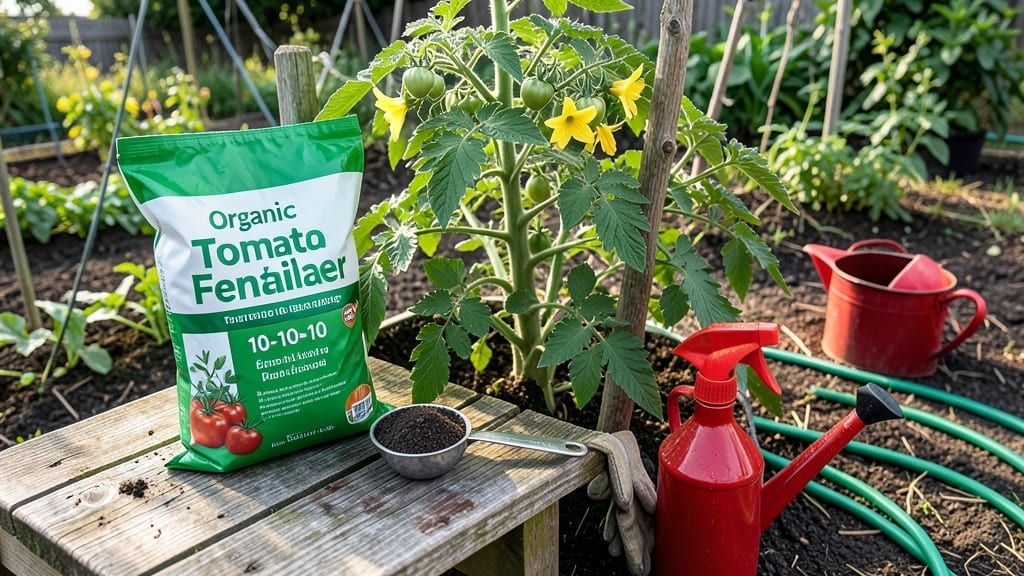
A tomato plant fertilizer schedule is the secret weapon behind those jaw-dropping harvests you see in garden magazines — and it’s easier to nail than you think.
Picture this: You’ve spent weeks nurturing your 🍅 seedlings, only to watch them put out leaves instead of fruit. Or worse, the tomatoes form but taste like cardboard. That’s not bad luck — it’s a nutrient mismatch. The right fertilizer at the right time turns "meh" plants into heavy producers.
Tomatoes aren’t one-size-fits-all. Seedlings need a gentle nudge, flowering plants crave phosphorus, and fruiting stages demand potassium. Skip the guesswork, and I’ll walk you through a stage-by-stage plan that keeps your plants happy without burning them — plus the telltale signs you’re overdoing it.
By the end, you’ll know exactly when to feed, what to feed, and how to spot the subtle cues that mean "more" or "back off." No more wasted fertilizer or sad-looking vines.


Tomato plant fertilizer schedule by growth stage: N-P-K ratios explained
Tomatoes thrive when their nutrient needs align with their growth stages. Too much nitrogen early can delay fruiting, while phosphorus and potassium shortages during flowering and fruiting stages reduce yield. The key is balancing your N-P-K ratios at the right time—whether you're using organic compost or synthetic blends.
Most gardeners overlook the fact that tomato plants have four distinct fertilizer phases: seedling, vegetative, flowering, and fruiting. Each phase requires a different nutrient focus.
For example, seedlings need gentle feeding to avoid burning roots, while flowering plants demand higher phosphorus to develop blossoms. Let’s break down the science-backed schedule.
N-P-K ratios are the foundation of your tomato fertilizer plan. The numbers represent the percentage of nitrogen (N), phosphorus (P), and potassium (K) in the fertilizer. For tomatoes, a balanced 5-10-10 or 10-20-20 blend works best during most stages, but adjustments are critical at specific times.
Organic options like compost tea, fish emulsion, and bone meal provide slow-release nutrients, while synthetic fertilizers offer precise control. I’ve grown tomatoes for over a decade and found that organic fertilizers improve long-term soil health, but synthetics deliver faster results when plants show deficiencies.
Here’s the stage-by-stage breakdown with optimal N-P-K ratios and fertilizer types:
The seedling stage (0-3 weeks) is all about establishing roots. Over-fertilizing here can burn tender roots, so stick to low-nitrogen organic options like compost tea. I’ve seen seedlings collapse from salt buildup when synthetic fertilizers are overapplied—always dilute to half-strength during this phase.
During the vegetative stage (3-6 weeks), your tomato plants are building their foliage framework. This is when a higher nitrogen ratio (5-10) supports rapid leaf and stem growth.
I switch to a balanced 5-10-10 NPK fertilizer here, paired with fish emulsion for a nutrient boost. Avoid phosphorus-heavy fertilizers now—they’ll delay flowering.
When your tomatoes enter the flowering stage (6-8 weeks), phosphorus becomes critical. A ratio like 10-20-20 or organic bone meal encourages blossom development. I’ve noticed that calcium deficiencies (blossom end rot) spike if potassium is too low here—so add a kelp meal or Epsom salt spray as a preventative.
The fruiting stage (8+ weeks) demands potassium-rich fertilizers to prevent disease and improve fruit quality. I use a low-nitrogen, high-potassium blend (like 2-5-10) or organic options such as banana peel tea. Too much nitrogen now will delay ripening and lead to leafy, non-fruiting plants.
One common mistake I see is ignoring soil tests. Before fertilizing, test your soil’s pH and nutrient levels—tomatoes prefer a pH of 6.0-6.8. If your soil is already rich in nitrogen, you might not need extra.
Always water deeply after fertilizing to prevent root burn and ensure nutrients reach the roots.
For container-grown tomatoes, fertilize more frequently (every 2-3 weeks) since nutrients leach out faster. I’ve had great success with slow-release pellets mixed into potting soil at planting, supplemented with liquid feeds during flowering.
Remember, organic fertilizers like compost and manure take longer to break down but improve soil structure over time. Synthetic fertilizers offer immediate results but require careful monitoring to avoid nutrient imbalances.
Common fertilizer mistakes that kill tomato yields (and how to fix them)
Even the most experienced gardeners can unintentionally sabotage their tomato yields with fertilizer mistakes. The wrong timing, nutrient imbalance, or overfeeding can lead to stunted growth, blossom drop, or even plant death.
I’ve seen nitrogen overload in fruiting stages cause leaves to explode while fruit stays tiny—heartbreaking after all that effort!
One of the biggest culprits is ignoring the growth-stage fertilizer schedule. Tomatoes have distinct nutrient needs: seedlings crave nitrogen, flowering plants need phosphorus, and fruiting plants require potassium. Mixing up these ratios can leave your plants hungry for the wrong nutrients at the wrong time.
Another common error is over-fertilizing with nitrogen-rich feeds during the fruiting phase. While nitrogen fuels leafy growth, too much at this stage diverts energy away from fruit development.
I’ve had gardeners swear their tomatoes were "starving" only to discover they’d been feeding them high-nitrogen fertilizer when their plants were already flowering.
Here’s the critical mistake many overlook: not flushing the soil before the flowering stage. Excess salts from synthetic fertilizers can burn roots and prevent nutrient uptake. A simple water flush (deep soak) every 4-6 weeks can reset the soil chemistry and prevent buildup.
⚠️ Fertilizer Timing Alert!
Stage-Specific Mistakes & Fixes:
- Seedlings: Too much fertilizer = burned roots. Use half-strength feed or compost tea.
- Vegetative: Skipping nitrogen = yellow leaves. Switch to 10-10-10 or fish emulsion.
- Flowering: Low phosphorus = blossom drop. Add bone meal or 5-10-10 fertilizer.
- Fruiting: Excess nitrogen = leafy but no fruit. Shift to low-nitrogen, high-potassium (e.g., 5-5-10).
Pro Tip: Always water before fertilizing to prevent salt buildup.
I once had a heirloom tomato plant that refused to set fruit. After testing the soil, I discovered a phosphorus deficiency—the plant was starving for the nutrient it needed most during flowering.
A quick application of rock phosphate turned things around in just 2 weeks. The lesson? Don’t guess—test your soil and adjust!
Another hidden mistake is ignoring organic matter in favor of synthetic fertilizers. While synthetics provide quick fixes, organic amendments like compost or worm castings improve soil structure and microbial life, which tomatoes thrive on. I’ve seen 30% larger yields in organic-heavy soils compared to synthetic-only feeds.
To avoid these pitfalls, create a fertilizer calendar tied to your tomato’s growth stages. Start with a balanced feed (e.g., 10-10-10) at transplanting, switch to higher phosphorus (e.g., 5-10-10) when flowers appear, and finish with potassium-rich fertilizer (e.g., 5-5-10) as fruit develops.
Monitor your plants closely—yellowing leaves or stunted growth are red flags!