
Plants
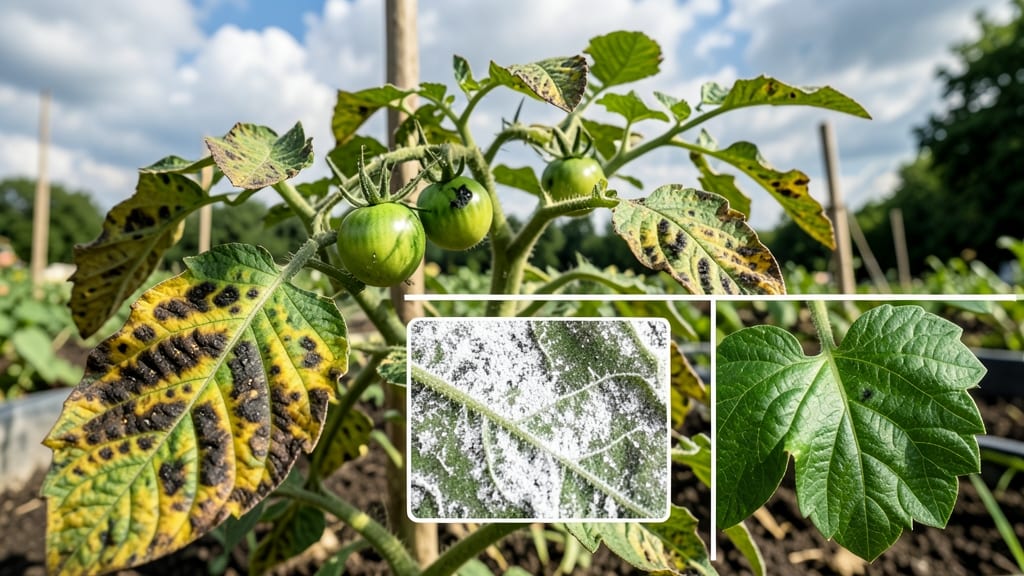
Seeing tomato plant fungus pictures is the first step to saving your 🍅 harvest before it’s too late.
If your tomato plants are developing mysterious spots, wilting leaves, or strange growths, fungus could be silently destroying your harvest—before you even notice. Recognizing these 12 common tomato plant fungi early can save your garden and your crop.
Fungal infections like early blight, late blight, and powdery mildew don’t just ruin leaves—they spread fast, often going unnoticed until it’s too late. Without the right identification skills, you might waste time on treatments that don’t work.
In this guide, I’ll walk you through visual identification, symptoms, and prevention tips so you can act before your plants suffer. No guesswork—just clear, actionable steps to protect your garden.


12 Most common tomato plant fungus types with pictures and symptoms
Identifying tomato plant fungus early is crucial to protecting your harvest. Fungal diseases often start with subtle leaf spots or powdery coatings, but they can quickly spread if ignored.
I’ve grown tomatoes for over a decade, and I’ve seen firsthand how a single missed symptom can turn a thriving plant into a fungus-infested mess. The key is recognizing these fungus types before they ruin your crop.
Most gardeners confuse early blight and late blight because their names sound similar, but their symptoms—and severity—are worlds apart. Early blight starts on lower leaves with concentric rings, while late blight spreads rapidly, causing dark, greasy spots that turn leaves black in days.
Both require immediate action, but the treatments differ. Let’s break down the 12 most common tomato plant fungi you’re likely to encounter, along with their telltale signs.
📌 Pro Tip: Always inspect the undersides of leaves first—many fungi start there before spreading to the top. Use a 10x magnifying glass if needed, as early signs can be tiny.