
Planting
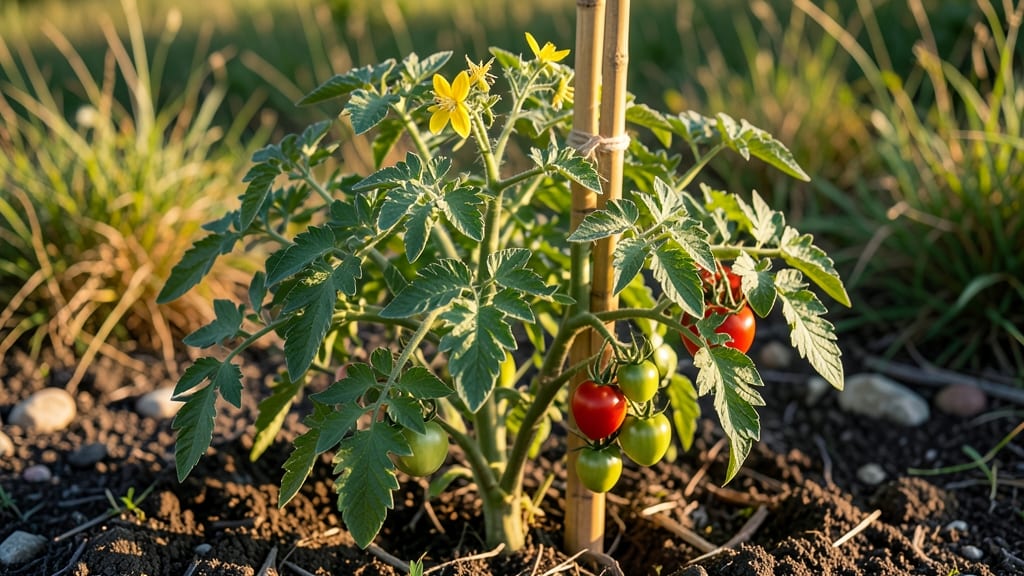
Maintaining tomato plant maintenance isn't just about summer—it's a year-round commitment that pays off with heirloom-sized harvests. 🌱 I've learned the hard way that neglecting winter prep or skipping spring checks can mean fewer tomatoes by July, no matter how great your summer care was.
The secret lies in understanding each season's needs, from the first sprouts to the last frost.
Start with the basics: consistent watering (deep, not frequent), strategic pruning (remove suckers but keep the main stem sturdy), and balanced fertilizer (too much nitrogen = leafy monsters, not fruit).
My go-to routine is checking plants twice weekly for pests, tying stems early to prevent wind damage, and mulching heavily to retain moisture. These small habits prevent the most common problems—blossom end rot, cracked stems, and powdery mildew—before they start.
By summer's end, you'll see the payoff: plants loaded with fruit, not leaves, and a harvest that lasts until frost. The key is staying ahead of issues—like the 5-minute daily check I do to spot early signs of trouble.
Even experienced gardeners miss this step until their tomatoes start splitting from uneven watering or falling off due to pest damage.
This approach works for both backyard gardens and container growers, whether you're dealing with cherry tomatoes or beefsteaks. The principles stay the same—only the scale changes. Let's get those plants thriving all season long.
📚 In This Guide
- What you need
- Instructions
- Tips and common mistakes
- Wrapping up and next steps
What you need
- ● Tomato seeds or seedlings: Choose disease-resistant varieties like Celebrity or Roma for reliability. (Seeds: 1–2 per plant; seedlings: 1 per container.)
- ● Containers or garden bed: Containers: 5-gallon pots or larger (1 plant per container). Ensure they have drainage holes!
- ● Garden bed: Well-draining soil, 6+ inches deep, with full sun exposure (6+ hours/day).
- ● High-quality potting mix: A blend with compost (e.g., Miracle-Gro Moisture Control Potting Mix) or homemade: 60% topsoil, 30% compost, 10% perlite.
- ● Fertilizer: Balanced fertilizer (10-10-10): 1 tbsp per plant at planting time.
- ● Tomato-specific fertilizer (e.g., Espoma Tomato-Tone): Use every 2–3 weeks during fruiting.
- ● Watering can or hose with nozzle: Aim for 1–2 inches of water per week (adjust for heat/drought).
- ● Pruning shears or scissors: Sharp, clean tools to snip suckers or yellow leaves.
- ● Stakes or cages: 6–8 ft tall (for indeterminate varieties) or 3–4 ft (determinate). Use bamboo stakes or tomato cages.
- ● Mulch: Straw, grass clippings, or black plastic to retain moisture and suppress weeds.
- ● Grow lights: For indoor setups (12–16 hours of light/day).
- ● pH testing kit: Ideal soil pH for tomatoes: 6.0–6.8.
- ● Epsom salt: 1 tbsp per plant monthly for magnesium boosts.
- ● Pest control: Neem oil, insecticidal soap, or row covers for aphids/tomato hornworms.
- ● Trellis or string system: For vertical growth (saves space!).
Step-by-step guide to year-round tomato plant maintenance
Here’s how I keep my tomato plants thriving from seedling to winter dormancy.
🌱 Step 1: Establish a Support System Early
Tomatoes need sturdy support to prevent sprawling and disease. I install 5-foot cages or bamboo stakes at planting time—6-8 inches deep—so roots anchor them before vines get heavy. For indeterminate varieties, add twine or plant ties to guide vines upward in a spiral pattern. This prevents stem damage when winds hit later in the season.
Don’t wait until the plant is toppling. Weak stems snap easily, and you’ll lose fruit. If you’re using cages, bury the bottom 2 inches to discourage pests from nesting inside. For stakes, drive them 3-4 inches from the main stem to avoid girdling as the plant grows.
☀️ Step 2: Manage Light and Temperature for Peak Growth
Tomatoes crave full sun (6-8 hours daily) and warm soil (70-85°F) for optimal fruiting. If your climate dips below 50°F at night, cover plants with frost blankets or move containers to a sheltered spot. I’ve seen blossoms drop when temps fluctuate—so monitor forecasts and act fast.
During heatwaves, provide afternoon shade with a lightweight row cover to prevent sunscald on fruit. Mulch with 2-3 inches of straw to keep roots cool and retain moisture. Avoid wet foliage—water at the base in the early morning to let leaves dry before evening humidity sets in.
💧 Step 3: Water Deeply and Consistently
Tomatoes have shallow but extensive root systems—they need 1-1.5 inches of water weekly, delivered deeply at the base. I use a soaker hose to avoid wetting leaves, which reduces fungal diseases like early blight. Let the top 2 inches of soil dry between waterings to encourage deeper root growth.
Inconsistent watering causes blossom-end rot (black, sunken spots on fruit). If you miss a week, gradually reintroduce moisture—don’t drown the roots after a dry spell. Add a 5-gallon bucket with a small hole near the plant to create a slow-release watering system for busy weeks.
✂️ Step 4: Prune for Airflow and Fruit Production
Pruning isn’t just about shape—it’s about maximizing airflow and energy. Remove suckers (the shoots between main stems and branches) weekly to prevent overcrowding. For determinate varieties, prune lightly; indeterminates benefit from removing lower leaves up to 12 inches from the ground to improve airflow and reduce soil-borne diseases.
Never prune more than one-third of the plant at once. You’ll shock the tomato into stress, which halts fruiting. Use clean, sharp shears to avoid tearing stems. If you see yellowing leaves, check for pests first—sometimes pruning isn’t needed at all.
🌿 Step 5: Fertilize Strategically Through the Seasons
Tomatoes are heavy feeders, but too much nitrogen early on leads to leafy growth with no fruit. Start with a balanced 10-10-10 fertilizer at planting, then switch to a low-nitrogen, high-phosphorus (5-10-10) formula when flowers appear. I mix in compost tea every 4-6 weeks for micronutrients without burning roots.
Stop fertilizing 4-6 weeks before your first frost—you want the plant to focus on ripening existing fruit, not new growth. Over-fertilizing late in the season leads to splitting tomatoes and weak stems. Always water before fertilizing to prevent root burn.
Tips & tricks for thriving tomato plants
Here's what nobody tells you about keeping your tomato plants productive all year long.
Support System Stability: When installing your 5-foot cages or bamboo stakes, drive them at a 15-degree angle for better wind resistance. This subtle tilt prevents cages from toppling when vines get heavy later in the season. I learned this the hard way after watching three cages collapse under a summer storm—now I reinforce them with zip ties at the top for extra security.
Temperature Troubleshooting: If your soil temperature drops below 50°F at night, don't just cover your plants—monitor the soil temperature with a simple thermometer. Tomato roots need warmth to absorb nutrients, and cold soil can cause blossom drop even if air temps are mild. I place my thermometer 2 inches deep to get accurate readings. The ideal range for root activity is 70-85°F, so aim to keep it above 60°F at all times.
Pruning Precision: When removing those weekly suckers in Step 4, use your fingernail to gently scrape the base of the sucker stem before pulling. This prevents tearing the main stem and creates a cleaner break that heals faster. I also recommend pruning in the early morning when the plant is turgid—stems are more flexible then and less likely to snap. For indeterminate varieties, leave 3-4 main stems to maximize fruit production without overcrowding.
Fertilizer Timing: The shift from 10-10-10 to 5-10-10 fertilizer when flowers appear is crucial, but don't make the mistake of switching too early. Wait until you see 30-40% of your plants in bloom before making the change. I also recommend applying fertilizer in the late afternoon when evaporation is lower, which helps prevent leaf burn. Always water thoroughly first to move existing nutrients down to the roots where they're needed most.
Pro Tips for Tomato Plant Maintenance
- Here's what nobody tells you about keeping your tomato plants productive all year long.
- Support System Stability: When installing your 5-foot cages or bamboo stakes, drive them at a 15-degree angle for bet...
- Temperature Troubleshooting: If your soil temperature drops below 50°F at night, don't just cover your plants—monitor...
Frequently asked questions
Got questions about keeping your tomato plants thriving? You’re not alone—even seasoned gardeners need a little guidance! Here are answers to the most common queries about tomato plant maintenance, from pruning to pests and everything in between.
How often should I water my tomato plants?
Tomatoes need 1–2 inches of water per week, especially during fruiting. Water deeply in the morning to reduce disease risk and avoid wetting leaves. Pro tip: Mulch around plants to retain moisture and prevent soil splashing.
When and how should I prune my tomato plants?
Prune indeterminate varieties regularly (every 1–2 weeks) to remove suckers (side shoots) and improve air circulation. Use clean shears and stop pruning 4–6 weeks before harvest to avoid stress. Warning: Don’t prune determinate (bush) tomatoes—they don’t need it!
What are the most common tomato plant pests, and how do I get rid of them?
Watch for aphids, hornworms, and whiteflies. Handpick large pests like hornworms or spray with soapy water for aphids. For severe infestations, use neem oil or introduce beneficial insects like ladybugs. Preventative tip: Healthy plants resist pests better—fertilize and prune regularly!
Why are my tomato leaves turning yellow?
Yellow leaves often signal overwatering, nutrient deficiency (like nitrogen), or fungal diseases. Check soil moisture and adjust watering. For nitrogen deficiency, use a balanced fertilizer. If spots or mold appear, treat with copper fungicide or remove affected leaves.
Can I grow tomatoes indoors, and what do they need?
Yes! Use a large container (5+ gallons) with drainage and place near a sunny window or under grow lights (12+ hours/day). Choose compact varieties like ‘Tiny Tim’ or ‘Micro Tom.’ Keep humidity moderate and fertilize every 2–3 weeks. Bonus: Rotate pots weekly for even light exposure!
Wrapping up and next steps
Caring for your tomato plants is a rewarding journey that leads to a bountiful, homegrown harvest—and you’ve got all the tools to make it happen! 🌱 From nurturing seedlings to troubleshooting pests and maximizing flavor, every step you’ve learned ensures your plants thrive year-round.
Now that you’re equipped with knowledge, roll up your sleeves and get growing! Ready for the next level? Try experimenting with pruning techniques or companion planting to take your tomato game even further.