
Plants
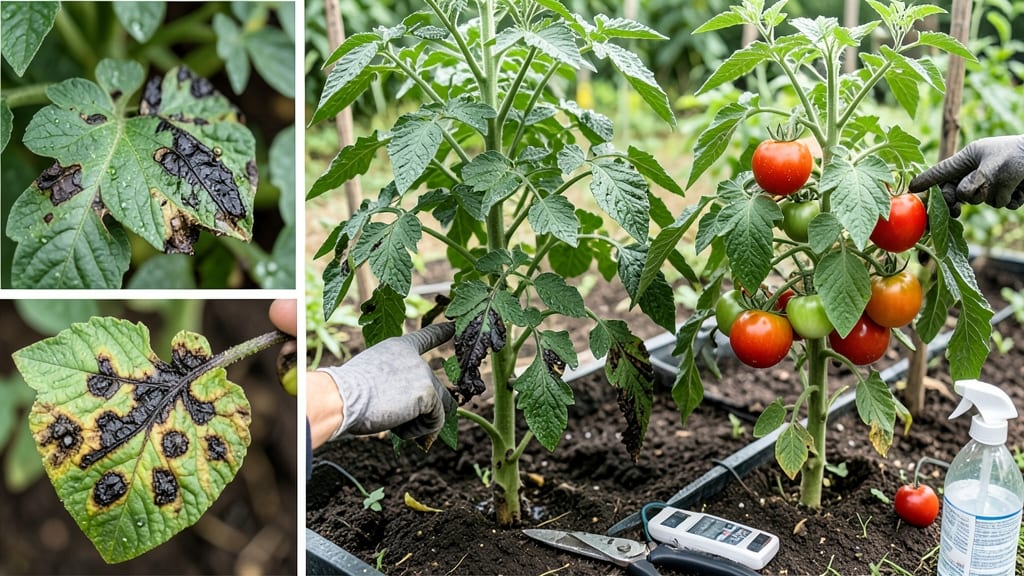
When your tomato plants wilt overnight and stems turn mushy, tomato plant rot isn’t just a setback—it’s a fight for survival. 🌱 I’ve lost entire vines to this silent killer, but these 5 steps saved my harvest last summer when dark spots crept up the stems like a creeping shadow.
The rot comes from too much water, fungal spores, or bacterial invaders hiding in last year’s soil. You’ll spot it first as yellow leaves or wilting despite thirsty roots—then the telltale mushy stems that give way when you squeeze. The good news?
Catching it early means you can still rescue your plants with pruning, fungicide, and better airflow. By the time you’ve removed infected leaves, adjusted watering, and added mulch, your tomatoes will bounce back stronger. I’ve nursed back plants that looked doomed—now they’re producing fruit like nothing happened.
The key is acting fast before the rot spreads to healthy vines. This works for early blight, late blight, or bacterial soft rot. Whether you’re dealing with a single plant or a full garden, these steps keep your harvest alive—and your sanity intact.
Root Causes Of Tomato Plant Rot
Tomato plants are resilient, but when they succumb to rot, it’s usually due to a mix of environmental stress, microbial activity, or poor growing conditions. Understanding the why behind the decay helps you take targeted action to save your crop.
Below are the most common culprits—each with a scientific explanation and actionable insights to prevent or address them.
Tomato plants thrive on consistency, but too much water—especially in poorly draining soil—creates the perfect breeding ground for Phytophthora and Pythium, two fungal pathogens that cause root rot and stem rot. Here’s how it happens:
- Waterlogged soil: When roots sit in soggy conditions, they suffocate, starving for oxygen. This triggers anaerobic bacteria and fungi to multiply, breaking down root tissue.
- Compacted soil: Clay-heavy or tightly packed soil prevents excess water from draining, trapping moisture at the roots.
- Overhead watering: Wet foliage (especially at night) encourages Alternaria or Fusarium spores to germinate, leading to leaf spot and fruit rot.
💡 Pro Tip: Test your soil’s drainage by digging a 12-inch hole, filling it with water, and timing how long it takes to drain. If it’s slower than 4 hours, amend with compost or perlite. Water at the base (not overhead) and use drip irrigation to keep leaves dry.
Pathogens like Fusarium oxysporum, Verticillium dahliae, and Erwinia bacteria don’t just appear—they exploit weak spots in your plant’s defenses. Here’s how they take hold:
| Pathogen | How It Infects | Signs to Watch For |
|---|---|---|
| Fusarium wilt | Enters through root wounds or cracks in stems. Thrives in warm, moist soil (77–86°F). | Yellowing leaves (starting at lower stems), wilting even when soil is moist, vascular discoloration (brown streaks in stems). |
| Phytophthora blight | Spreads via water splashing from soil to leaves. Loves temperatures above 80°F and high humidity. | Dark, greasy spots on leaves/fruit; stems collapse suddenly. |
| Bacterial soft rot (Erwinia) | Enters through injuries (pruning cuts, hail damage) or contaminated tools. Spreads via insects or water. | Mushy, foul-smelling fruit/leaves; slimy ooze when squeezed. |
🔥 Action Step: Remove infected plants immediately (don’t compost them!) and disinfect tools with 1 part bleach to 9 parts water. For fungal wilt, rotate crops—don’t plant tomatoes, peppers, or eggplants in the same spot for 3+ years.
Tomatoes need a balanced diet, but too much (or too little) of certain nutrients can weaken roots, making them vulnerable to rot. Here’s the breakdown:
- Excess nitrogen: Promotes lush foliage but weak, spindly roots that can’t absorb water efficiently, leading to waterlogging stress.
- Phosphorus/potassium deficiency: Roots struggle to develop strong cell walls, making them susceptible to fungal invasion.
- Soil pH extremes: Tomatoes prefer pH 6.0–6.8. Soil too acidic (<5.5) or alkaline (>7.5) locks out nutrients like magnesium and calcium, causing blossom-end rot (a type of fruit rot).
🌡️ Soil Test Tip: Use a DIY test kit or send a sample to your local extension office. Amend soil with compost (for organic matter) and wood ash (to raise pH) or sulfur (to lower it) as needed.
Even the hardiest tomato plants can’t fight off rot if they’re already stressed. Common physical triggers include:
- Improper pruning: Cutting too close to the stem or using dirty shears can introduce Fusarium or Verticillium.
- Hail or wind damage: Bruised stems create entry points for bacteria like Erwinia.
- Transplant shock: Moving seedlings without hardening them off first weakens roots, making them prone to rot in the first few weeks.
- Cold soil: Planting tomatoes in soil below 50°F stunts root growth, delaying their ability to absorb water.
✨ Prevention Hack: Harden off seedlings by gradually exposing them to outdoor conditions (10–15 mins/day) for 5–7 days before transplanting. Use row covers for young plants to protect against hail.
Most cases of tomato rot stem from a combination of these factors—often compounded by not one but multiple issues at once. The good news?
Once you identify the root cause (literally and figuratively), you can tackle it with precision. Next up: How to diagnose your plant’s specific type of rot and stage a rescue.
Revive Your Tomatoes: Step-by-Step Fixes
Tomato plant rot can feel like a death sentence for your garden, but don’t toss those wilting vines just yet! With the right approach, you can nurse your plants back to health—or at least salvage what’s left for a bountiful harvest.
Below, we’ll tackle the most common causes of rot and provide practical, actionable fixes to turn things around. Plus, we’ll share prevention tips to keep future plants thriving.
Root rot is often the silent killer of tomato plants, caused by overwatering, poor drainage, or fungal infections. If your plant’s leaves are yellowing, stems feel mushy, or roots smell foul, it’s time to act.
How to Treat It:
- 🔥 Stop Watering Immediately
- Overwatering is the #1 culprit. Let the soil dry out completely before watering again. Stick your finger 1–2 inches into the soil—if it’s damp, wait.
- 🍳 Repot or Improve Drainage
- If your plant is in a container, repot it into fresh, sterile potting mix with perlite or sand (20–30%) to improve drainage.
- For in-ground plants, amend the soil with compost and organic matter to aerate it. Avoid heavy clay soils.
- 👨🍳 Trim the Damage
- Use sterilized pruners to cut away any black, mushy roots. Healthy roots should be firm and white or light tan.
- 🥘 Fungal Treatment (If Needed)
- Mix 1 tsp hydrogen peroxide (3%) per quart of water and water the roots lightly. Repeat every 3–4 days for a week.
- For severe cases, apply a fungicide like copper fungicide or neem oil (follow label instructions).
- ⏰ Give It Time to Recover
- Place the plant in bright, indirect light (avoid direct sun until it stabilizes) and water only when the top inch of soil is dry.
💡 Prevention Tips:
- Water deeply but infrequently—tomatoes hate soggy feet!
- Use raised beds or containers if your soil drains poorly.
- Mulch with straw or wood chips to regulate moisture and temperature.
Early blight (brown spots) and late blight (leaf death) are fungal diseases that thrive in humid conditions. If you see dark, circular lesions on leaves or stems, act fast.
How to Treat It:
- 🔪 Prune Infected Leaves
- Remove all infected foliage (including stems with lesions) and dispose of them in the trash (not compost). Sterilize pruners with rubbing alcohol between cuts.
- 🌡️ Improve Air Circulation
- Space plants 18–24 inches apart and prune lower leaves to allow airflow. Avoid overhead watering—use a drip irrigation system instead.
- 🎯 Apply Fungicides Proactively
- Spray plants with a copper-based fungicide or baking soda solution (1 tbsp baking soda + 1 tsp dish soap + 1 gallon water) every 7–10 days during wet seasons.
- ✨ Boost Plant Health
- Feed plants with a balanced fertilizer (10-10-10) or compost tea to strengthen their defenses.
💡 Prevention Tips:
- Rotate crops—don’t plant tomatoes in the same spot year after year.
- Remove volunteer tomato plants (wild tomatoes) nearby, as they can harbor blight.
- Water in the morning so leaves dry quickly.
Stem rot (often from sclerotinia or phytophthora) causes stems to collapse and turn brown or black. If your plant’s stem feels hollow or oozes a foul-smelling liquid, it’s critical to act.
How to Treat It:
- 🔥 Isolate the Plant Immediately
- Move the plant far from healthy tomatoes to prevent spread. If it’s in a container, sterilize the pot with bleach before reusing.
- 🍳 Cut Back the Damage
- Use sterile pruners to trim above the rot (if the stem is still firm). If the rot has spread too far, the plant may not recover—consider composting it.
- 👨🍳 Support the Stem
- Prop up the remaining stem with stakes or cages to prevent further collapse.
- 🥘 Apply a Fungicidal Spray
- Use copper fungicide or a biological fungicide like Trichoderma harzianum. Spray the base of the stem and surrounding soil.
- 🌱 Monitor Closely
- Watch for new growth. If the plant recovers,
💡 Prevention Tips:
- Avoid overhead watering—use drip lines or soaker hoses.
- Plant resistant varieties like ‘Mountain Merit’ or ‘Defiant PhR’ if blight is common in your area.
- Rotate crops and practice crop sanitation (clean tools, remove debris).
- 💡 Test Your Soil – Use a pH test kit (ideal pH for tomatoes: 6.0–6.8). Adjust with lime (to raise pH) or sulfur (to lower it) if needed. - 🌡️ Adjust Watering – Morning watering reduces humidity and fungal growth.
Aim for 1–1.5 inches of water per week (including rain). - 🍅 Harvest What You Can – Even if the plant is struggling, pick ripe tomatoes to reduce stress and encourage more fruit. - ✨ Boost Immunity – Feed plants with fish emulsion or seaweed extract for a nutrient boost.
Remember: Some plants may not recover, but acting quickly can save others in your garden. With these fixes, you’ll give your tomatoes their best shot at a comeback—and maybe even a second harvest! 🍅💪
Frequently asked questions
What’s the first sign that my tomato plant has rot?
Watch for yellowing leaves that start at the bottom, even if the soil feels moist. Later, you’ll see dark spots on stems or leaves, or stems that feel mushy when squeezed. If leaves wilt despite thirsty roots, that’s a red flag—act fast to save the plant!
Can I save a tomato plant with stem rot?
Maybe! If the rot is localized, trim above the damaged area with sterilized pruners and support the stem with a stake. For severe cases, the plant may not recover—remove it immediately to prevent spread. Always disinfect tools between cuts to avoid cross-contamination.
Why does my tomato plant rot even though I water it regularly?
Overwatering isn’t the only culprit—poor drainage or fungal infections like early blight can cause rot. Test your soil’s drainage (dig a hole, fill with water, time how long it takes to drain). If it’s slower than 4 hours, amend with compost or perlite. Also check for dark spots on leaves or stems.
Is it safe to compost tomato plants with rot?
No! Diseased plants can spread pathogens to your compost. Instead, bag and trash infected plants (including roots and stems). For severe cases like bacterial soft rot, double-bag them to prevent contamination of other garden areas.
How often should I spray fungicide to prevent rot?
Start with a preventative spray every 7–10 days during humid seasons or after heavy rain. Use copper fungicide or a baking soda mix (1 tbsp baking soda + 1 tsp dish soap per gallon of water). Stop spraying once temperatures drop below 50°F—fungi thrive in warmth.