
Planting
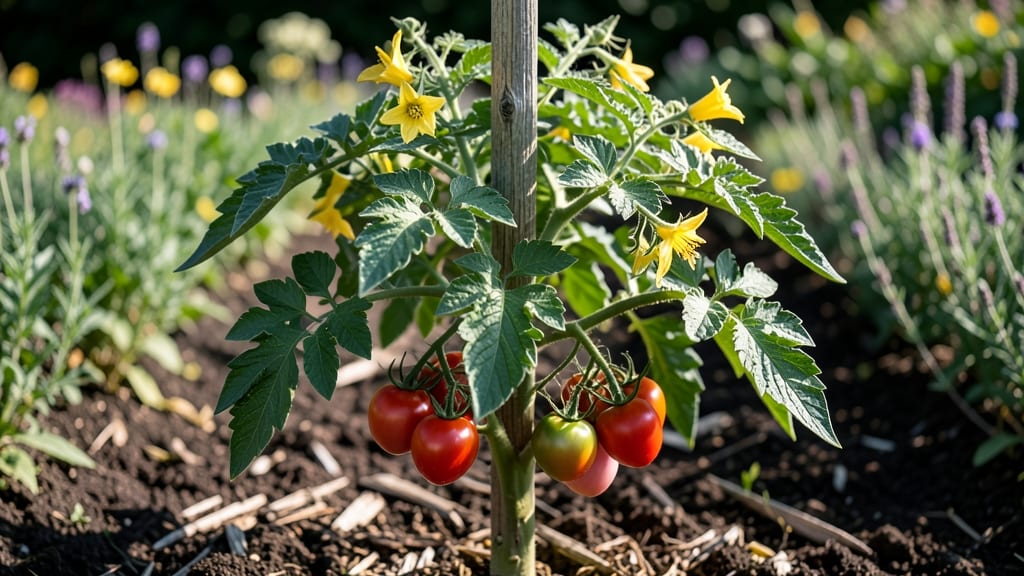
Growing tomatoes as plant trees turns your garden into a vertical feast—imagine lush vines stretching 10 feet high, dripping with fruit all season. 🌿 I’ve turned my backyard into a tomato jungle using indeterminate varieties like ‘Sungold’ and ‘Cherokee Purple’, and the results?
More tomatoes in less space, with less work than sprawling plants. The secret lies in pruning early to encourage strong vertical growth, using sturdy stakes or cages, and keeping soil consistently moist (but not soggy).
Most gardeners overlook the first 6 weeks—that’s when you establish the framework for a productive "tree." I’ve seen vines produce 50+ pounds of tomatoes in a single season when cared for properly.
You’ll end up with a living trellis that’s easier to manage, resists disease better, and yields fruit until frost. The best part? These vines keep growing—prune them right, and you’ll have tomatoes well into fall. Here’s how to coax that vertical magic from your plants.
Start with indeterminate varieties—they’re bred to grow tall and keep producing. You’ll need 5-6 foot stakes (or a sturdy trellis system) and organic-rich soil with good drainage. Most gardeners skip the soil prep, but amending with compost makes all the difference in fruit production.
Once planted, prune aggressively in the first month to shape the vine. Remove suckers (those little shoots in the leaf axils) and any branches growing inward. This might sound harsh, but it forces energy into upward growth and fruit production.
I’ve seen beginners panic when they prune too much—trust the process, and your plant will thank you with a bounty.
Water deeply 2-3 times a week, keeping the soil evenly moist but never waterlogged. Mulch around the base to retain moisture and suppress weeds. The payoff? A towering tomato plant that produces fruit continuously until frost, with minimal space and effort.
This method works in containers, raised beds, or in-ground gardens—just adjust the support structure. For year-round harvests, extend the season with row covers or move potted plants indoors when temperatures dip. Here’s how to keep your tomato "tree" thriving all season long.
📚 In This Guide
- What you need
- Instructions
- Tips and common mistakes
- Wrapping up and next steps
What you need
- ● Tomato Seeds or Seedlings: Indeterminate varieties (e.g., 'Tiny Tim,' 'Micro Tom,' or 'Balcony Red') – 3-5 plants for a small "tree" or 1 plant for a single-stemmed version.
- ● Growing Containers: Large pots (10-15 gallons each) or a 5-gallon fabric grow bag per plant (ensure drainage holes!).
- ○ Optional: A cage-free trellis system (e.g., wooden stakes, bamboo poles, or a blank">DIY tomato tree frame made from PVC pipes).
- ● Potting Mix: 1 part high-quality potting soil (sterilized, peat-free if possible).
- ● 1 part perlite or vermiculite (for aeration).
- ● 1 part compost or worm castings (for nutrients).
- ● Fertilizer: Balanced organic fertilizer (5-5-5 or 10-10-10) or liquid tomato feed (e.g., fish emulsion or seaweed extract).
- ● Pruning Tools: Sharp bypass pruners or sterilized scissors.
- ● Garden twine (for securing vines to trellis).
- ● Watering Supplies: Watering can with a rose attachment or a drip irrigation kit.
- ● Support Structures (Critical for "Tree" Shape!):strong> Main trunk support: A 4-6 ft tall wooden stake or metal rod (1-inch diameter).
- ● Branching supports: 3-5 horizontal branches (e.g., wooden slats, wire mesh, or blank">pre-made tomato tree frames).
- ● Mulch: Straw or shredded leaves to retain moisture and suppress weeds.
- ● Grow Lights: LED full-spectrum bulbs (for indoor/year-round growing).
- ● Plant Ties: Soft velcro strips or rubber bands to gently secure vines.
- ● Pest Control: Neem oil or insecticidal soap (for aphids/spider mites).
- ● Row covers (if growing outdoors in early spring).
- ● Harvesting Tools: Small kitchen shears for clean cuts.
Step-by-Step instructions for creating a tomato plant tree
Transform sprawling vines into a lush, space-saving tomato tree with this structured approach.
🌱 Step 1: Select and Prepare the Central Trunk Plant
Choose a vigorous tomato variety like 'Tiny Tim' or 'Micro Tom' for your central "trunk." Plant it in a 12-inch diameter container filled with well-draining potting mix enriched with compost. The container must have drainage holes to prevent root rot—this is critical for compact growth. Water thoroughly until moisture runs from the bottom, then let it drain completely before proceeding.
Position your container in a location receiving 6-8 hours of direct sunlight daily. South-facing windows or grow lights work best. The central plant should be staked immediately with a 4-5 foot bamboo stake inserted 2 inches from the stem. Secure the main stem loosely to the stake with soft plant ties—this prevents damage as the vine grows upward.
🌿 Step 2: Train Side Branches into "Tree" Structure
When your central plant reaches 18-24 inches tall, begin pruning to encourage lateral branches. Remove all suckers (side shoots) growing below the first 6 inches of the main stem—these compete for energy. However, leave the first 2-3 strong suckers just above the graft point (if using grafted plants) or at the first leaf cluster. These will become your primary side branches.
Gently bend and tie these selected suckers outward at 45-degree angles to form the "branches" of your tomato tree. Use soft plant ties or cloth strips to secure them without crushing the stems. Space these branches evenly around the central trunk, creating a balanced, tree-like structure. Watch for new growth emerging from the leaf axils—these are your future fruiting branches.
☀️ Step 3: Maintain Light, Water, and Pruning for Compact Growth
Rotate the container quarter-turn weekly to ensure even sunlight exposure—this prevents lopsided growth. Maintain consistent moisture by watering when the top 1-2 inches of soil feel dry. Water deeply at the base, avoiding wetting the leaves to prevent disease. Fertilize every 2-3 weeks with a balanced organic fertilizer (10-10-10) diluted to half strength, focusing on root development rather than rapid growth.
Continue pruning aggressively: remove all suckers growing inward or downward, and pinch off any flowers that appear on the main stem or lower branches. This redirects energy to the outward-facing branches you've trained. By 6-8 weeks, your tomato plant should resemble a small tree with 4-6 main branches radiating outward, each bearing clusters of flowers.
✂️ Step 4: Support and Harvest for Year-Round Production
As branches grow, add secondary support using soft twine or plant ties to prevent breakage. Weave the branches gently into a spiral or circular pattern to maximize sunlight exposure and air circulation. Install a small trellis or wire cage around the container to provide additional support as the plant matures—this prevents the weight of fruit from bending branches.
Harvest tomatoes when they reach full color and slight softness to the touch. Pick consistently to encourage continuous flowering. In colder months, move the container indoors near a south-facing window or under grow lights (14-16 hours daily). Reduce watering slightly in winter but maintain even moisture—letting the soil dry out completely stresses the plant.
🌿 Step 5: Overwinter and Renew for Next Season
Before the first frost, trim back all branches to 6-8 inches above the base. Move the container to a cool (50-60°F), bright location and reduce watering to once every 2-3 weeks. Prune any dead or diseased branches immediately to prevent rot. In early spring, fertilize lightly with fish emulsion and resume regular care to stimulate new growth.
This method keeps your tomato "tree" productive for multiple years if cared for properly. The key is consistent pruning, support, and light management—don't let branches grow too long without support, or they'll snap under fruit weight. With practice, you'll develop a compact, high-yielding tomato plant that fits beautifully on patios, balconies, or even indoors.
Tips & tricks for perfect tomato plant trees
Here's what nobody tells you about nurturing these space-saving tomato wonders—tricks that turn good harvests into spectacular ones.
Pruning Precision: When training your tomato tree in Step 2, focus on keeping only the strongest suckers—those with vibrant green leaves and sturdy stems. The first 2-3 suckers above the graft point (or first leaf cluster) should be your priority. I've seen gardeners accidentally prune these main branches, leaving the plant with weak lateral growth. Use sharp pruning shears and make cuts just above a leaf node to encourage new growth in the right direction.
Light Management: The 6-8 hours of direct sunlight mentioned in Step 1 is non-negotiable for optimal growth, but here's the secret: supplement with grow lights if natural light falls short. LED grow lights with a full spectrum (especially red and blue wavelengths) can extend your plant's growing season indoors. Position them 6-12 inches above the plant for 14-16 hours daily during winter months, mirroring the sunlight requirements. This creates an indoor "summer" environment that keeps your tomato tree productive year-round.
Support System: Don't wait until branches are heavy with fruit to add support in Step 4. Install your trellis or wire cage early—right after you've trained your primary branches. This prevents the weight of developing tomatoes from bending or breaking delicate stems. I've seen tomato trees collapse under fruit weight when support was added too late. Use soft twine or plant ties to gently weave branches into place, creating that beautiful spiral pattern while keeping stems secure.
Winter Care: The 50-60°F cool location mentioned in Step 5 is crucial, but don't let your tomato tree become dormant. Keep it in a bright spot with grow lights if natural light is insufficient. Reduce watering to once every 2-3 weeks, but maintain even moisture—letting the soil dry completely can shock the plant. A light application of fish emulsion every 4-6 weeks during winter keeps roots active without encouraging rapid growth that could stress the plant in low-light conditions.
Pro Tips for Tomato Plant Tree
- Here's what nobody tells you about nurturing these space-saving tomato wonders—tricks that turn good harvests into spectacular ones.
- Pruning Precision: When training your tomato tree in Step 2, focus on keeping only the strongest suckers—those with vibrant green leaves and sturdy stems.
- Light Management: The 6-8 hours of direct sunlight mentioned in Step 1 is non-negotiable for optimal growth, but here's the secret: supplement with grow lights if natural light falls short.
Frequently asked questions
Got questions about growing your own tomato plant tree? You’re not alone! Here are some of the most common queries—and their straightforward answers—to help you cultivate a thriving, space-saving vine with confidence.
How tall can a tomato plant tree grow indoors?
A well-trained tomato plant tree can reach 6–10 feet tall indoors with proper pruning and support (like a trellis or cage). Dwarf varieties like ‘Tiny Tim’ max out at 18–24 inches, while indeterminate types (e.g., ‘Sungold’) can stretch even higher if you trim aggressively. Pro tip: Prune suckers (side shoots) regularly to encourage upward growth and better air circulation.
When is the best time to start a tomato plant tree?
For indoor starts, sow seeds 6–8 weeks before your last frost date (or year-round in warm climates). If transplanting seedlings, wait until soil temps hit 55°F+ to avoid cold shock. Tomato plant trees thrive in warmth, so avoid planting until nighttime temps stay above 50°F.
Can I grow a tomato plant tree in a small apartment?
Use container gardening with pots at least 5 gallons for dwarf varieties or 10+ gallons for larger types. Place near a south-facing window or supplement with grow lights (12–16 hrs/day). A vertical trellis or hanging planter saves space while maximizing sunlight.
What’s the fastest way to fix yellow leaves on my tomato plant tree?
Yellow leaves usually signal overwatering, nutrient deficiency, or pests. First, check soil moisture—let the top inch dry between waterings. Amend soil with balanced fertilizer (10-10-10) or compost. For pests (like aphids), spray with neem oil or introduce ladybugs. Prune affected leaves to redirect energy.
Are there alternatives to traditional tomato plant trees?
Yes! Try bush tomatoes (like ‘Patio’ or ‘Roma’) for compact growth, or cherry tomato varieties (e.g., ‘Sweet Million’) that produce prolifically in small spaces. For year-round harvests, consider hydroponic systems or greenhouse setups to extend seasons.
Wrapping up and next steps
Growing a tomato plant tree is a rewarding journey that transforms your space into a thriving, year-round harvest hub—no sprawling vines required! 🌱 With the right techniques, you’ll enjoy juicy, homegrown tomatoes while saving space and effort.
Whether you’re a seasoned gardener or just starting, this method proves that big flavors come in compact packages.
Ready to turn your green thumb into a year-round success? Start by planting your first seedling or trellis this week—your future salads (and bragging rights) will thank you! For extra inspiration, explore creative pruning tips or join gardening communities to share your progress. Happy growing! 🌟