
Planting
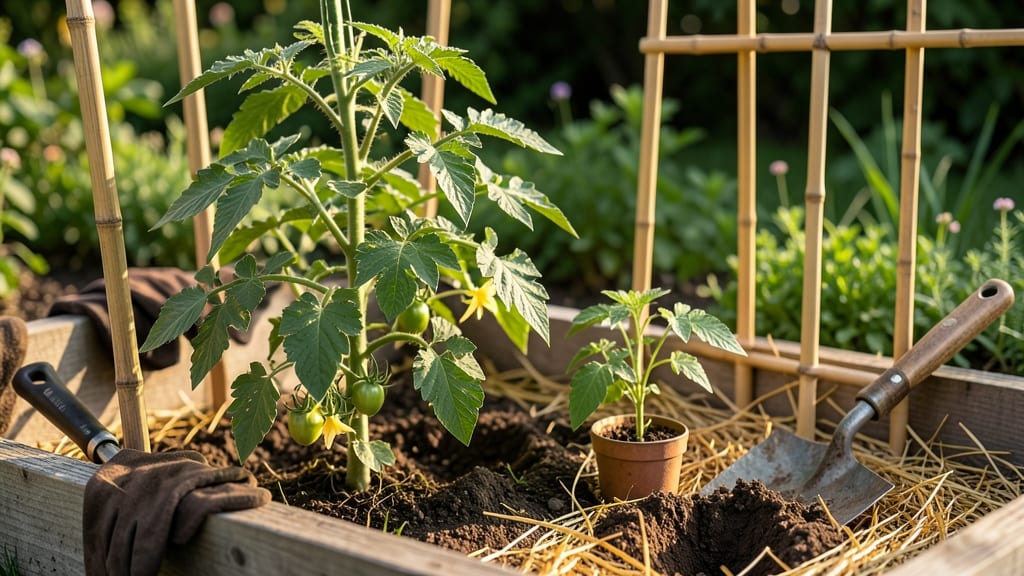
The tomato planting timeline is the single most important factor for a bountiful harvest 🍅 — get it wrong, and you’ll either lose seedlings to cold or miss the growing season entirely.
Picture this: you’ve nurtured seedlings for weeks, only to watch them wilt overnight because you planted too early. Or worse, you transplant too late and the heat arrives before the fruit even sets. The difference between a 5-gallon bucket of tomatoes and a handful comes down to weeks, not days.
In this guide, I’ll walk you through the exact tomato planting timeline for your region, including when to start seeds indoors, when to harden off seedlings, and how to adjust for early or late varieties.
Whether you’re in a short-season Zone 3 or a long, warm Zone 10, you’ll learn the critical windows that separate success from disappointment.
You’ll also discover how to troubleshoot common mistakes—like rushing seedlings or ignoring soil temperature—and how to recover if your schedule gets thrown off. By the end, you’ll have a foolproof plan to time your tomato planting for peak yields, no guesswork required.


Critical tomato planting timeline by region and last frost date
Getting your tomato planting timeline right means the difference between a bountiful harvest and wasted effort. Tomatoes thrive in warm soil and need 6-8 weeks to mature from seedling to transplant—so knowing your last frost date is non-negotiable.
Whether you're in USDA Zone 3 (cold climates) or Zone 10 (tropical), this guide breaks down the exact weeks before frost to start seeds indoors and transplant outdoors for peak yields.
For example, in Zone 5, you’ll start seeds 8 weeks before last frost (typically early April) and transplant 2-3 weeks after. But in Zone 9, where frost is rare, you might direct-sow seeds 2-3 weeks before last frost (February-March) and skip indoor starts entirely.
Let’s dive into the exact timeline for your region.
📌 Pro Tip: Use a soil thermometer—tomatoes won’t germinate well below 60°F (15°C). In cooler zones, use black plastic mulch to warm the soil faster after transplanting.
| USDA Zone | Last Frost Date | Start Seeds Indoors | Transplant Outdoors | Direct Sow Outdoors | Harvest Window |
|---|---|---|---|---|---|
| Zone 3 (-40°F to -30°F) | Mid-May | 8-10 weeks before last frost (early March) | 2-3 weeks after last frost (late May) | Not recommended (too short season) | July-September |
| Zone 4 (-30°F to -20°F) | Late April | 7-9 weeks before last frost (early March) | 2 weeks after last frost (early May) | Early June (short season) | July-October |
| Zone 5 (-20°F to -10°F) | Early April | 6-8 weeks before last frost (mid-February) | 2-3 weeks after last frost (late April) | Late May (short season) | June-September |
| Zone 6 (-10°F to 0°F) | Mid-April | 5-7 weeks before last frost (late February) | 2 weeks after last frost (early April) | Early June | July-October |
| Zone 7 (0°F to 10°F) | Late March | 4-6 weeks before last frost (early February) | 1-2 weeks after last frost (late March) | Mid-April (early varieties) | June-November |
| Zone 8 (10°F to 20°F) | Early March | Optional (3-4 weeks before last frost) | Direct sow or transplant after last frost (February) | February-March | April-December |
| Zone 9 (20°F to 30°F) | Mid-January | Not needed (direct sow) | Direct sow 2-3 weeks before last frost (January) | January-February | March-January (year-round) |
Step-by-step tomato planting schedule for maximum yieldsGrowing juicy, vine-ripened tomatoes starts with precise timing—miss the window, and you’ll either lose seedlings to frost or harvest too late in the season. My 8-week indoor-to-outdoor schedule ensures your plants hit every growth stage at the right moment, whether you're in a cool northern climate or a hot southern region. The key? Adjusting based on your last frost date and tomato variety (early vs. late). For most gardeners, 6-8 weeks before your last frost is when I start sowing seeds indoors. This gives seedlings enough time to develop 2-3 sets of true leaves before transplanting outdoors. In warmer climates (Zones 8-10), you can skip indoor starts entirely and sow directly in the garden 2-3 weeks before last frost, since soil warms faster. Let’s break it down week by week. 1
6-8 Weeks Before Last Frost: Start Seeds IndoorsFill seed trays with sterile seed mix and sow 1/4-inch deep. Keep in a warm spot (70-80°F) with grow lights (14-16 hours/day). Germination takes 5-10 days. 2
4-5 Weeks Before Last Frost: Thin SeedlingsOnce seedlings have 2 sets of true leaves, thin to the strongest 2-3 per pot. Transplant to 4-inch pots if needed. Harden off by placing outdoors for 2-3 hours/day in protected shade. 3
2-3 Weeks Before Last Frost: Full HardeningGradually increase outdoor time to full sun exposure (8+ hours). Acclimate over 7-10 days to prevent transplant shock. Check soil temperature—it should be at least 60°F. 4
After Last Frost: Transplant OutdoorsPlant deeply (2/3 of stem buried) in well-draining soil with 18-24 inches between plants. Use cages or stakes for support. Water deeply to settle soil. 5
6-8 Weeks After Transplant: First FruitsExpect flower clusters in 4-6 weeks if conditions are ideal (70-85°F, consistent water). Prune suckers to focus energy on fruit production. In hot climates, provide afternoon shade to prevent blossom drop. Adjust this timeline for early varieties (like ‘Early Girl’) by starting seeds 1-2 weeks earlier—they mature in 55-65 days and can handle cooler soils. For late varieties (like ‘Brandywine’), delay sowing by 2 weeks to avoid blossom-end rot from uneven growth. Always monitor your local frost forecast—a late transplant can stall fruiting. Pro tip: Use row covers if nights dip below 50°F after transplanting. This buys you 2-3 extra weeks of growth before heat sets in. Pair this schedule with drip irrigation and mulch to keep roots cool and consistent—your tomatoes will reward you with bigger, sweeter yields all season long. 🌱 |