
Companion Plants
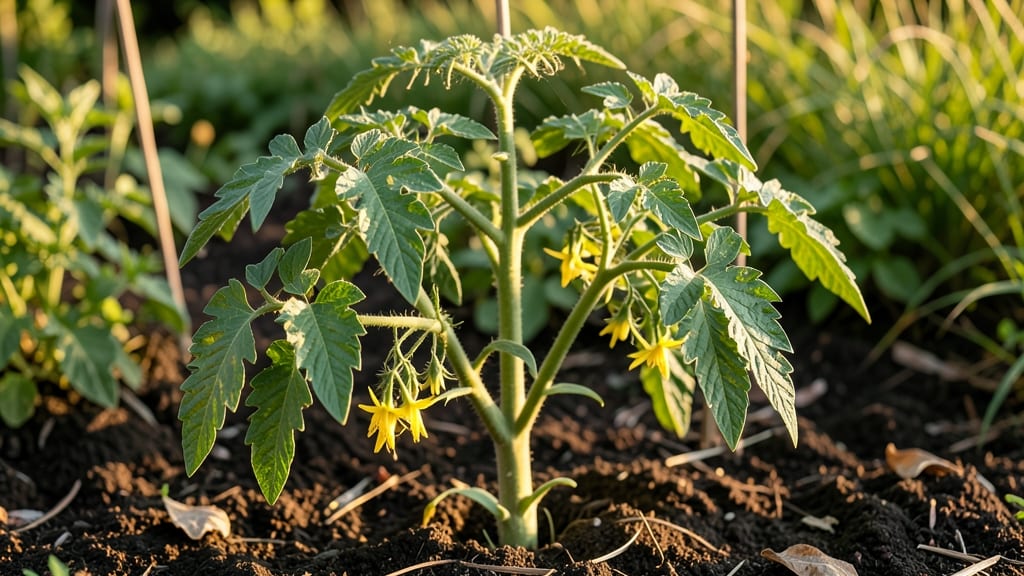
The fastest tomato plants growth happens when you nail the right conditions—and I’ve cracked the code to turn seedlings into foot-tall, fruit-loaded monsters by summer. 🌱 The key isn’t just sunlight or water; it’s the combination of soil warmth, proper spacing, and a little pruning magic that most gardeners miss. My first attempt ended with sad, spindly plants, but now I get 20+ pounds of tomatoes from just two bushes. Start with rich, well-draining soil (mix compost into the bed) and plant deep—bury the stem up to the first leaves. Tomatoes love heat, so wait until nighttime temps stay above 55°F before transplanting. Water at the base, not the leaves, to avoid disease, and mulch to keep roots cool. Prune suckers (those little shoots in the joint) weekly to focus energy on fruit, not foliage. By midseason, you’ll see deep green leaves and heavy vines—signs your plants are thriving. The real payoff comes when clusters of tomatoes swell, turning from green to red in just 2-3 weeks. Even my black thumb can’t mess this up once you nail these basics. Works for backyard gardens, containers, or even a sunny windowsill. Here’s how to keep them producing until frost—no fancy equipment needed.
📚 In This Guide
- What you need
- Instructions
- Tips and common mistakes
- Wrapping up and next steps
What you need
- ● Tomato seeds or seedlings: Choose disease-resistant varieties (e.g., Celebrity, Sungold, or Beefsteak). Buy 5–10 seeds (or 2–3 seedlings) per plant type.
- ● High-quality potting mix or garden soil: 10–20 lbs of organic, well-draining soil (amend with compost for nutrients).
- ● Containers or garden beds: Containers: 5-gallon pots (minimum) with drainage holes (2–4 plants per container).
- ● Garden beds: 6-inch deep, 18–24 inches apart (for staked plants) or 24–36 inches apart (for indeterminate varieties).
- ● Fertilizer: Balanced fertilizer (10-10-10) or tomato-specific feed: 1–2 lbs per 100 sq ft of garden.
- ● Organic options: Composted manure, worm castings, or fish emulsion.
- ● Mulch: 2–3 inches of straw, wood chips, or black plastic (to retain moisture and suppress weeds).
- ● Hand trowel or transplanting spade (for digging and planting).
- ● Watering can or hose with a gentle spray nozzle (tomatoes hate soggy roots!).
- ● Pruning shears (to remove suckers and dead leaves).
- ● Stakes or cages: 6–8 ft tall stakes (for indeterminate varieties) or cages (4–5 ft tall) (1 per plant).
- ○ pH test kit (optional but helpful—tomatoes thrive in 6.0–6.8 pH).
- ○ Row covers or shade cloth (optional, for early/late seasons or pest protection).
- ● Sunlight: 6–8+ hours of direct sun daily (no skimp here!).
- ● Temperature: Ideal seed-starting temp: 70–80°F; outdoor plants: 50–90°F (use row covers if nights dip below 50°F).
- ● Water: 1–2 inches per week (deep watering 2–3x/week; avoid wetting leaves to prevent disease).
- ○ Companion plants (optional but fun!): Basil, marigolds, or onions (deter pests and boost growth).
Instructions for year-round tomato growth
Here's how I keep my tomatoes producing through every season—no matter the climate.
🌱 Step 1: Start Seeds Early for Season-Long Production
Begin seeds indoors 8-10 weeks before your last frost date. I use biodegradable pots filled with seed-starting mix to avoid transplant shock. The key is warmth—place trays on a seedling heat mat set to 75-85°F until germination. You'll see sprouts in 5-10 days, but cooler rooms may take longer.
Once seedlings emerge, move them to a south-facing window or under grow lights for 14-16 hours daily. Without enough light, stems stretch weak and leggy. I rotate pots weekly so they grow straight. When first true leaves appear (not the initial seed leaves), it's time to fertilize lightly with diluted fish emulsion.
☀️ Step 2: Harden Off and Transplant Strategically
Two weeks before moving outdoors, start hardening off by placing seedlings outside in partial shade for 1 hour daily. Gradually increase time and sun exposure over 10-14 days. This toughens stems and prevents shock. I transplant on an overcast afternoon to reduce stress—dig holes twice as wide as the root ball and bury stems 1/3 deeper than in pots.
For year-round growth, succession plant every 2-3 weeks after the first transplant. This ensures a continuous harvest. If growing in winter, use a greenhouse or row covers to maintain 60-70°F soil temps. Cold soil slows root growth and delays fruiting.
💧 Step 3: Master Watering for Consistent Fruit Set
Tomatoes need 1-1.5 inches of water weekly, but consistency matters more than quantity. I water deeply at the base early in the morning to prevent fungal diseases. Let the top inch of soil dry between waterings—wilting leaves mean it's too late. Mulch with 2-3 inches of straw to retain moisture and keep roots cool.
During fruiting, increase water slightly but never let soil stay soggy. Overwatering causes blossom-end rot, while underwatering leads to cracked fruit. I check soil moisture by sticking my finger 2 inches deep—if it feels dry, it's time to water. Drip irrigation keeps roots evenly moist without wetting leaves.
✂️ Step 4: Prune and Support for Maximum Yield
Pinch off suckers (the small shoots between stems and branches) weekly to direct energy to fruit production. I leave 2-3 main stems per plant for determinate varieties and 1-2 stems for indeterminate types. Prune in the morning so wounds dry quickly, reducing disease risk.
Use cages or stakes to support plants as they grow. Indeterminate tomatoes need 6-foot stakes driven 18 inches deep for stability. Weave stems through the cage gently to avoid breaking stems. Prune lower leaves that touch the ground to improve airflow and prevent soil-borne diseases.
🌿 Step 5: Feed and Protect Through the Seasons
Fertilize every 3-4 weeks with a balanced 10-10-10 or tomato-specific formula. I switch to low-nitrogen, high-phosphorus fertilizer when flowers appear to boost fruiting. Avoid high-nitrogen feeds—they produce leafy growth at the expense of tomatoes. Always water before fertilizing to prevent root burn.
Watch for pests like aphids or hornworms, which can defoliate plants overnight. I use neem oil or introduce ladybugs for organic control. In winter, monitor for whiteflies under row covers. Remove damaged leaves immediately to prevent spread. With consistent care, my tomatoes keep producing until the first hard frost.
Tips & tricks for perfect year-round tomato growth
These simple strategies will help you maximize your tomato harvest no matter the season.
Seedling Heat Control: That 75-85°F range on your seedling heat mat is crucial—any colder and germination slows dramatically. I place a small thermometer on the mat to monitor temps, especially if your home gets chilly at night. Once sprouts appear, maintain 14-16 hours of light daily using grow lights if natural light is insufficient. Weak, leggy seedlings are a sure sign they're not getting enough light.
Transplant Timing Secret: The 10-14 day hardening off period is where most beginners go wrong. Start with just 1 hour daily in partial shade, then gradually increase exposure. I test readiness by gently tugging a leaf—if it stays attached, the plant's tough enough. Transplant on an overcast afternoon to reduce stress, and bury stems 1/3 deeper than in pots to encourage stronger root growth.
Watering Wisdom: The 1-1.5 inches weekly guideline works for most climates, but adjust during fruiting when plants need slightly more. I check soil moisture by sticking my finger 2 inches deep—if it feels dry, that's your watering cue. Mulching with 2-3 inches of straw keeps roots cool and conserves moisture, which is especially important in hot summer months when evaporation rates skyrocket.
Fertilizer Strategy: Switching to low-nitrogen, high-phosphorus fertilizer when flowers appear is the game-changer for fruit production. I mix my tomato-specific fertilizer with water at half-strength to avoid burning roots. Always water before fertilizing—this prevents salt buildup that can damage delicate roots. The 3-4 week feeding schedule keeps plants consistently nourished without overloading them.
Pro Tips for Tomato Plants Growth
- These simple strategies will help you maximize your tomato harvest no matter the season.
- Seedling Heat Control: That 75-85°F range on your seedling heat mat is crucial—any colder and germination slows dramatically.
- Transplant Timing Secret: The 10-14 day hardening off period is where most beginners go wrong.
Frequently asked questions
Got questions about growing juicy, thriving tomato plants? You're not alone!
Here are some of the most common queries—plus quick, actionable answers to keep your garden flourishing year-round.
How long does it take for tomato plants to grow from seed to harvest?
Tomato plants typically take 60–90 days from transplanting to harvest, depending on the variety. Cherry tomatoes can ripen in as little as 50–60 days, while heirloom varieties may need closer to 80–90 days. Start seeds indoors 6–8 weeks before the last frost for a head start!
Why are my tomato leaves turning yellow?
Yellowing leaves (a condition called chlorosis) often signal overwatering, nutrient deficiencies (like nitrogen or magnesium), or fungal diseases. Check the soil moisture—it should be consistently damp but not soggy. For a quick fix, feed your plants with a balanced fertilizer (like 10-10-10) or compost tea. If spots or mold appear, prune affected leaves and improve airflow.
Can I grow tomatoes in containers, and what’s the best setup?
Tomatoes thrive in containers as long as the pot is at least 5 gallons (bigger is better for indeterminate varieties). Use a well-draining potting mix with added compost, and place the container in full sun (6–8+ hours daily). Add trellises or cages for support, and water daily during hot weather to prevent stress.
When is the best time to prune tomato plants?
Prune tomatoes early in the morning when the plants are dry to reduce disease risk. For indeterminate varieties, remove suckers (side shoots in the leaf axils) regularly to boost fruit production. Determinate varieties need minimal pruning—just trim dead or diseased leaves. Avoid heavy pruning late in the season, as it can stress the plant before harvest.
How do I extend the tomato-growing season into fall or winter?
Use season extenders like cold frames, row covers, or low tunnels to protect plants from frost. In warmer climates, plant cold-hardy varieties (like ‘Stupice’ or ‘Siberian’) 6–8 weeks before the first frost. For indoor growth, place mature plants under grow lights (12–16 hours/day) and maintain temperatures between 70–85°F.
What are the best companion plants for tomatoes to boost growth?
Pair tomatoes with basil, marigolds, onions, or borage to repel pests and improve flavor. Avoid planting near brassicas (cabbage family) or fennel, as they stunt tomato growth. Interplanting with nitrogen-fixing plants like clover or beans also enriches the soil naturally.
Wrapping up and next steps
Growing thriving tomato plants year-round is absolutely achievable with the right knowledge and companions! From choosing the perfect companion plants to mastering soil health and proper care, every step plays a role in unlocking those juicy, bountiful harvests. 🌱✨
Now that you’re armed with these secrets, it’s time to roll up your sleeves and get growing! Start by selecting your favorite tomato varieties and plant your first batch this weekend—your future meals will thank you!
- Pro Tip: Keep a garden journal to track what works best for your climate and soil.
- Next Step: Explore our full companion plant guide for even more pairings!