
Plants
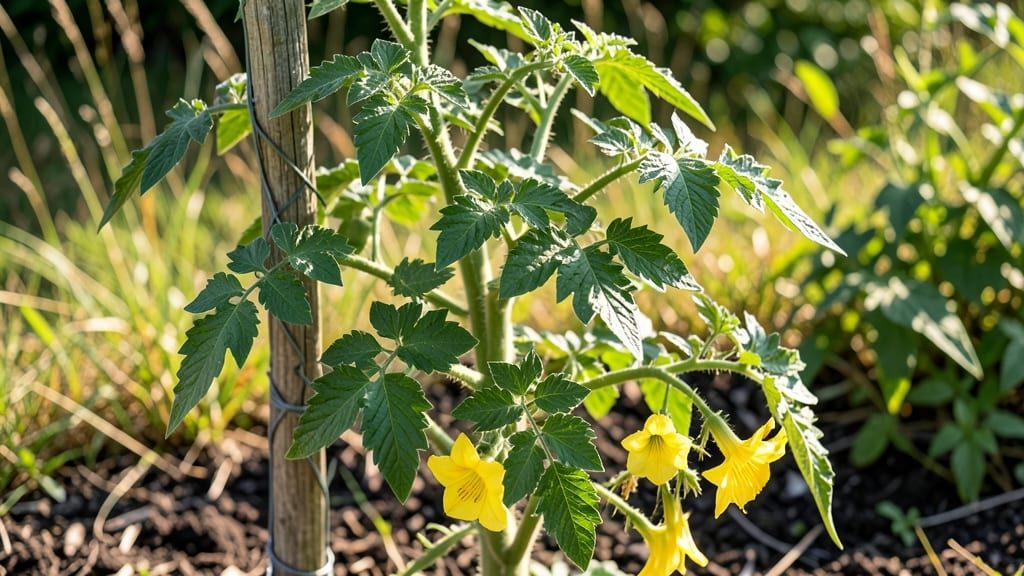
Your tomato plants are throwing flowers but no fruit? 🌱 That’s called blossom drop—and it’s more fixable than you think. I’ve seen this happen with my own plants, and the solution isn’t as complicated as it seems.
The problem usually boils down to three key factors: temperature swings, poor pollination, or nutrient imbalances. Once you address these, your plants will start setting fruit within weeks.
First, check the weather. Tomatoes need steady temperatures between 60-85°F to set fruit. If nights dip below 55°F or days climb above 90°F, flowers drop like they’re playing hot potato.
Next, give those blossoms a helping hand: gently shake the plants or use a small brush to transfer pollen. Poor pollination is a sneaky culprit, especially indoors or in windless conditions.
Finally, feed your plants. A balanced fertilizer with extra phosphorus (the middle number) encourages fruiting. I swear by a 10-20-10 blend applied every 2-3 weeks during flowering.
And don’t forget water—consistent moisture prevents stress, which also triggers blossom drop. With these tweaks, you’ll go from frustrated gardener to proud tomato grower in no time.
This works for both backyard gardens and container growers. The same principles apply whether you’re dealing with cherry tomatoes or beefsteaks. Let’s get those fruits growing!
The Hidden Reasons Behind Barren Tomato Plants
Tomato plants bursting with lush green leaves but stubbornly refusing to produce fruit? Don’t blame your green thumb just yet—there’s usually a clear, fixable reason behind the mystery.
Let’s break down the top scientific causes of tomato plants with no fruit, so you can diagnose the issue like a pro and take action.
Tomatoes are warm-weather lovers, and when temperatures swing too far from their comfort zone, they simply stop setting fruit. Here’s how it works:
- Cold Stress (Below 55°F/13°C): - Tomato flowers rely on pollinators (bees, wind, or even gentle shaking) to transfer pollen.
But when nights dip below 55°F (13°C), pollen production drops dramatically, and flowers fail to develop into fruit. - Pro Tip: 🌡️ Use row covers or cloches to protect plants from late frosts, or move potted tomatoes indoors if a cold snap is forecast.
- Heat Stress (Above 90°F/32°C): - When daytime temps consistently exceed 90°F (32°C), tomato flowers abort before fruiting—a process called blossom drop.
The plant essentially shuts down reproduction to conserve energy. - Solution: Provide afternoon shade (use shade cloth or plant near taller crops) and mulch heavily to keep roots cool.
Even if your tomatoes are blooming like crazy, poor pollination can leave you with empty flowers. Here’s why it happens:
- Lack of Bees or Wind: - Tomatoes rely on movement to pollinate.
Without bees buzzing around or a gentle breeze, pollen doesn’t reach the ovary, so flowers fall off. - Fix It: 🐝 Hand-pollinate by gently shaking plants in the morning (when humidity is low) or use a small paintbrush to transfer pollen between flowers.
- Self-Sterile or Self-Pollinating Issues:
- Some heirloom tomatoes (like ‘Brandywine’) need cross-pollination from another plant. If you’re growing just one variety, flowers may drop.
- Solution: Plant at least two different tomato varieties nearby to ensure cross-pollination.
Tomatoes are sensitive to moisture fluctuations, and irregular watering can trigger blossom drop or fruit abortion. Here’s the science:
| Issue | What Happens | How to Fix It |
|---|---|---|
| Underwatering | Flowers drop because the plant can’t support fruit development. | Water deeply 1–2 times per week (1–1.5 inches per week). Use drip irrigation. |
| Overwatering | Roots suffocate, leading to nutrient deficiencies and blossom end rot. | Improve drainage with gravel or raised beds. Water only at the base. |
| Inconsistent Watering | Causes cellular stress, leading to dropped flowers or small, misshapen fruit. | Stick to a consistent schedule—tomatoes hate dry spells followed by soaking. |
Pro Tip: 💧 Mulch with straw or grass clippings to retain moisture and prevent soil temperature swings.
Tomatoes need specific nutrients at the right stages. Too little (or too much) of the wrong thing can halt fruit production:
- Nitrogen Overload:
- Too much nitrogen = leafy greens, no fruit. The plant prioritizes foliage growth over reproduction.
- Fix: Switch to a low-nitrogen, high-phosphorus fertilizer (like 5-10-10) when flowers appear.
- Potassium or Calcium Deficiency:
- Potassium (K) helps with fruit development, while calcium (Ca) prevents blossom drop.
- Solution: Feed with banana peel tea (potassium) or crushed eggshells (calcium). Avoid over-fertilizing—more isn’t always better!
- Phosphorus Shortage:
- Phosphorus (P) is critical for flowering and fruiting. If soil tests show low P, flowers may form but fail to set fruit.
- Quick Fix: Apply bone meal or rock phosphate before planting.
Hidden invaders can steal nutrients or damage flowers before they turn into fruit:
- Hornworms & Aphids:
- These pests devour flowers and buds, leaving no chance for fruit to form.
- Combat Them: 🔥 Handpick hornworms (they’re huge and easy to spot!) and spray neem oil for aphids.
- Blossom End Rot (BER):
- Caused by calcium deficiency (often from uneven watering), this disease kills developing fruit before it ripens.
- Prevent It: Maintain consistent moisture and side-dress with crushed eggshells.
- Fungal Infections (Early Blight, Late Blight):
- Fungi like Alternaria can mummify flowers, preventing fruit from forming.
- Solution: Rotate crops, remove infected leaves, and apply copper fungicide preventatively.
Tomatoes hate competition—whether from other plants or their own overgrowth. When they’re stressed from lack of space, they drop flowers to focus on survival.
- Why It Happens:
- Poor airflow = higher humidity = fungal diseases (like powdery mildew) that kill flowers.
- Root competition = less water/nutrients for fruit development.
- How to Fix It:
- Prune aggressively (remove suckers, yellow leaves, and crowded stems).
- Space plants 18–24 inches apart (or use cages/trellises to improve airflow).
- Thin seedlings early to avoid root-bound stress.
If your tomato plants struggle after moving (even if just repotted), they may drop flowers while recovering.
- Common Causes:
- Root disturbance during transplanting.
- Improper hardening off (sudden temperature/light changes).
- Over-potting (roots can’t access nutrients).
- Prevention Tips:
- Hardening off seedlings gradually (7–10 days of sun exposure).
- Water deeply before and after transplanting.
- Avoid over-potting—use containers just slightly larger than the root ball.
Now that you know the top culprits, grab your notebook and check: ✅ Temperature logs (are nights too cool?
Days too hot?) ✅ Pollination status (are flowers falling before noon?) ✅ Watering routine (is it consistent?) ✅ Soil test results (low phosphorus? high nitrogen?) ✅ Pest patrol (hornworms hiding in leaves?)
Most cases of "tomato plants with no fruit" are fixable—once you identify the root cause, you can restore your harvest in no time! 🍅🔥
Revive Your Tomatoes: Fixing No-Fruit Causes
Now that you’ve identified why your tomato plants are dropping blossoms or producing no fruit, it’s time to take action! The good news? Most of these issues have simple, effective fixes.
Below, we’ve mapped common causes to step-by-step solutions—plus prevention tips to keep your plants thriving and loaded with juicy tomatoes.
Cause: Extreme heat, cold snaps, or sudden temperature swings shock flowers before they can set fruit.
How to Fix It: 🔥 Shade & Shelter: Install shade cloth (30-50%) during heatwaves to keep temps below 90°F (32°C). Use row covers or cold frames for early/late-season protection. 🌡️ Water Deeply: Soak soil at root level (not leaves) to stabilize temperature. Mulch with straw or grass clippings to insulate roots. 🌬️ Improve Airflow: Space plants 18–24 inches apart to prevent heat buildup in dense foliage.
Prevention Tips: ✨ Choose heat-tolerant varieties like ‘Solar Fire’ or ‘Heatmaster’ for hot climates. 💡 Plant in late spring after the last frost risk has passed.
Cause: Inconsistent watering causes blossom drop by stressing the plant or disrupting nutrient uptake.
How to Fix It: 👨🍳 Water Consistently: Aim for 1–1.5 inches of water per week (more in heat). Use drip irrigation or soaker hoses to deliver water slowly at the base. 🔥 Check Soil Moisture: Stick your finger 2 inches deep—if dry, water deeply. If soggy, let it dry slightly before rewatering. 🌱 Avoid Wetting Leaves: Water early in the day to prevent fungal diseases (like blight) that weaken plants.
Prevention Tips: 🎯 Mulch heavily (3–4 inches) to retain moisture and regulate soil temp. 💡 Group plants together to create a microclimate that holds humidity better.
Cause: Too little (or too much) of key nutrients like nitrogen, phosphorus, or potassium disrupts flowering and fruiting.
How to Fix It: 📊 Test Your Soil: Use a DIY kit or send a sample to a local extension office. Tomatoes thrive in pH 6.0–6.8. 🥗 Balance Your Fertilizer:
- Early growth (leaves): Use a 10-10-10 or 5-5-5 fertilizer.
- Flowering/fruiting: Switch to a low-nitrogen, high-phosphorus fertilizer (e.g., 5-10-10 or 3-4-6).
- Organic option: Compost + bone meal (for phosphorus) + wood ash (potassium).
🍅 Flush the Soil: If over-fertilized, water heavily to leach excess salts.
Prevention Tips: ✨ Side-dress plants with compost every 3–4 weeks during fruiting. 🔥 Avoid synthetic fertilizers like Miracle-Gro during flowering—they can cause blossom end rot (a calcium deficiency).
Cause: Lack of bees, wind, or manual help means flowers don’t turn into fruit.
How to Fix It: 🐝 Attract Pollinators: Plant bee-friendly flowers (marigolds, basil, borage) nearby. Avoid pesticides! 🍳 Hand-Pollinate: On cloudy or windless days, gently shake plants or use a small paintbrush to transfer pollen from flower to flower. 🌬️ Prune Strategically: Remove suckers (side shoots) to improve airflow and encourage stronger flowers.
Prevention Tips: 💡 Choose determinate varieties (like ‘Roma’ or ‘Celebrity’) for easier pollination in containers or greenhouses. 🎯 Plant early in the season when bees are most active.
Cause: Fungal infections (early blight, fusarium wilt) or pests (hornworms, aphids) sap energy needed for fruiting.
How to Fix It: 🔪 Remove Infected Leaves: Prune and destroy yellowing or spotted leaves to stop spread. 🍳 Spray Preventatively: Use neem oil or baking soda spray (1 tsp baking soda + 1 quart water + drop of soap) weekly. 🐛 Handpick Pests: Check for hornworms (green caterpillars) or aphids daily. Drop them in soapy water.
Prevention Tips: 🌡️ Rotate crops yearly to prevent soil-borne diseases. 💡 Use resistant varieties like ‘Mountain Merit’ (blight-resistant) or ‘Defiant PhR’ (virus-resistant).
Final Pro Tip: 🌱 Keep a garden journal! Track watering, fertilizing, and weather patterns to spot trends and adjust next season. With these fixes, your tomato plants will be bursting with fruit in no time! 🍅🔥
Frequently asked questions
Why do my tomato flowers keep falling off before turning into fruit?
This is called blossom drop, and it usually happens due to temperature stress (below 55°F or above 90°F) or poor pollination. Tomatoes need stable temps and gentle movement (bees, wind, or shaking) to set fruit. Check for extreme weather patterns or pests like hornworms that might be eating your flowers before they develop.
Can I still save my tomato plants if they’ve been dropping flowers for weeks?
Yes! Start by hand-pollinating flowers with a paintbrush or by gently shaking plants in the morning. Adjust watering to 1-1.5 inches per week consistently, and switch to a low-nitrogen, high-phosphorus fertilizer (like 5-10-10). If temps are extreme, provide afternoon shade or row covers. Most plants bounce back within 2-3 weeks of these fixes.
What’s the difference between blossom drop and fruit abortion?
Blossom drop happens when flowers fall before setting fruit (usually from temperature stress or poor pollination), while fruit abortion occurs when tiny fruits shrink and drop after forming. Fruit abortion is often caused by heat stress (above 90°F) or nutrient deficiencies (like calcium or potassium). Both issues can be fixed by adjusting care practices.
Will pruning my tomato plants help them produce more fruit?
Yes, but only if done correctly! Prune to remove suckers (side shoots) and crowded leaves to improve airflow and sunlight penetration. Focus on keeping the main stem and lower branches healthy. Over-pruning can stress plants, so limit to 1/3 of foliage at a time. Determinate varieties need less pruning than indeterminate types.
How can I tell if my tomato plants need more nutrients?
Look for these signs: Yellowing leaves (nitrogen deficiency), purple stems (phosphorus shortage), or weak, curling leaves (potassium lack). For fruiting, focus on phosphorus (middle number in fertilizer ratios). Use a soil test kit for accuracy, and avoid over-fertilizing—too much nitrogen causes leafy growth with no fruit. Organic options like bone meal or compost work well.