
Pruning
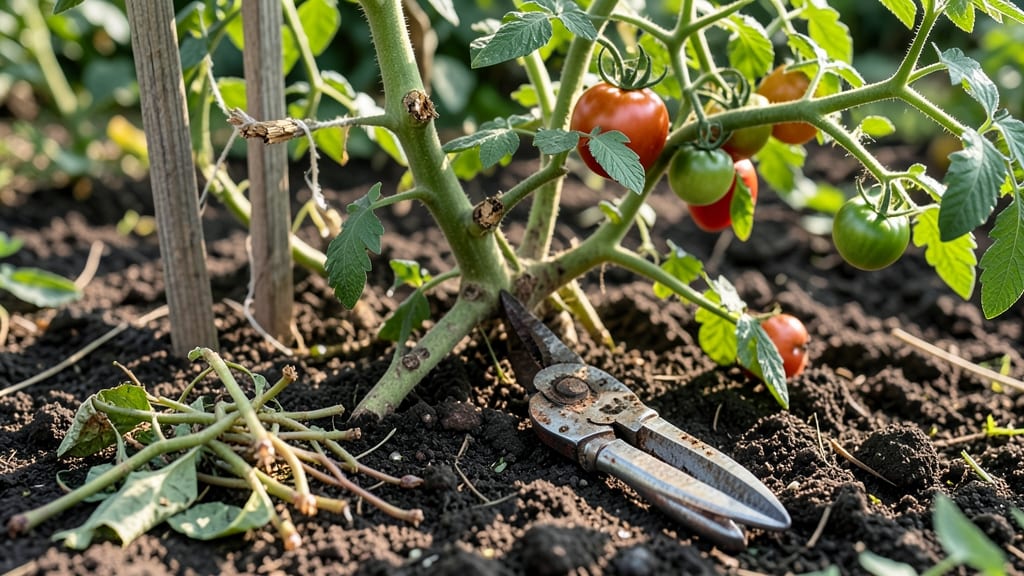
Your tomato plants are putting out leaves instead of fruit, and you're not sure why. 🌱 The truth is, tomato pruning mistakes—like over-trimming or cutting at the wrong spots—can turn a productive plant into a leafy shadow.
I've seen it happen too many times, even with experienced gardeners who just missed a few key details.
Most problems start with timing—pruning too early or too late throws off the plant's energy balance. Then there's the wrong cuts, which either slow growth or invite disease.
Even the number of stems you leave can make or break your harvest. These errors don't just reduce fruit; they stress the plant, making it vulnerable to pests and blight.
By the end of this guide, you'll know exactly which cuts to make, when to stop, and how to tell a healthy stem from one that's begging for help. Your next harvest could be 30% larger—just by fixing these five common mistakes. Let's get those plants producing again.
We'll cover the science behind each mistake, step-by-step fixes, and even how to salvage a plant that's already struggling. No more guessing—just foolproof pruning that actually works. Ready to turn things around?
Root Causes Behind Pruning Errors
Pruning tomatoes might seem straightforward, but even small missteps can derail your harvest. Understanding why these mistakes happen helps you avoid them—and protect your plants from stress, disease, and poor fruit production. Below, we break down the science and common triggers behind the most frequent pruning blunders.
Tomatoes are not like ornamental shrubs—they need a balance of foliage and structure to thrive. Over-pruning strips away too much leaf surface, which is the plant’s primary energy source for fruit production. Here’s why it backfires:
- Photosynthesis shutdown: Leaves convert sunlight into sugars via photosynthesis. Remove too many, and the plant can’t sustain fruit growth or recovery. Studies show tomatoes need at least 60-70% of their foliage to avoid stunted yields.
- Weakened root-to-foliage ratio: Roots supply water and nutrients, but if pruning leaves the plant "top-heavy," it struggles to transport resources efficiently. This leads to blossom end rot (calcium deficiency) or dropped flowers.
- Stress-induced disease entry: Excessive pruning creates open wounds that invite fungal pathogens like Phytophthora or bacterial spot. The plant’s immune system is already taxed by the trauma.
Pro Tip: 💡 Follow the 3-leaf rule: Never remove more than 3 leaves at a time, and avoid pruning more than 20% of the plant’s foliage in one session.
Skipping pruning entirely might seem harmless, but it leads to a tangled mess of problems:
- Poor air circulation: Dense foliage traps moisture, creating a humid microclimate perfect for early blight or powdery mildew. Fungal spores thrive in still, damp air—pruning opens the canopy to airflow.
- Energy drain: Unpruned tomatoes waste energy growing unnecessary suckers (side shoots) instead of fruit. Each sucker diverts up to 15-20% of the plant’s resources, reducing yield by 30-50%.
- Structural collapse: Overloaded branches snap under the weight of heavy fruit, especially in indeterminate varieties. This leads to sunscald (exposed fruit turning white/leathery) and lost harvests.
Pro Tip: ✨ Indeterminate tomatoes (like 'Cherokee Purple') need weekly pruning to stay productive, while determinate types (like 'Roma') only need light suckers removed near the base.
Tomatoes have critical growth phases where pruning can either boost or crush development. Here’s when timing goes wrong:
| Mistake | Why It Fails | Science Behind It |
|---|---|---|
| Pruning too early (seedling stage) | Stunts root development | Young plants rely on leaves for root growth via photosynthate. Removing too many leaves delays flowering by 2-4 weeks. |
| Pruning during flowering | Drops blossoms/fruit | Hormonal stress from pruning triggers ethylene gas release, which causes premature fruit drop. Avoid pruning when flowers are open or setting fruit. |
| Pruning late in season (after harvest) | Wastes energy on regrowth | Plants prioritize survival over fruit when pruned late. Any new growth won’t mature before frost, leaving you with unripe tomatoes. |
Pro Tip: 🌡️ Wait until morning to prune during hot weather—high temperatures increase stress. Early morning also lets wounds dry faster, reducing disease risk.
Not all pruning cuts are equal. Using the wrong tools or methods can cause more harm than good:
- Dull or dirty tools: Jagged cuts tear plant tissue, creating larger wounds that invite pathogens. A clean, sharp pruner makes smooth cuts just above a leaf node (where new growth emerges).
- Pulling suckers instead of cutting: Tearing shoots damages the main stem’s vascular system, slowing nutrient flow. Always use clean shears or your fingers to pinch suckers early (when they’re <1 inch long).
- Over-trimming the main stem: The central leader is the plant’s growth engine. Cutting it back forces the tomato to split energy among multiple weak stems, reducing yield and stability.
Pro Tip: 🔪 Disinfect tools between plants with a 1:10 bleach-water solution to prevent cross-contamination of diseases like verticillium wilt.
Now that you know the why behind common pruning pitfalls, you’re equipped to prune like a pro—and watch your tomato harvest explode in size and flavor. Stay tuned for actionable fixes in the next section!
Fixing pruning errors for bigger harvests
---
Pruning your tomato plants wrong can feel like sabotaging a summer feast—one wrong cut, and you’re left with fewer fruits, weaker vines, or even disease-ridden plants. But don’t worry! Most mistakes are fixable with a little know-how and timely action.
Below, we’ll break down the most common pruning errors and show you exactly how to reverse the damage—plus how to prevent them next season. Think of this as your tomato plant’s emergency repair guide! 🚑🌱
---
Cause: You trimmed too aggressively, removing too many leaves or stems, leaving the plant stressed or exposed.
How to Fix It:
Step 1: Assess the Damage 🌿 Look for signs of shock: yellowing leaves, stunted growth, or weak stems. If the plant is still standing but struggling, it’s salvageable.
Step 2: Stop Pruning Immediately ⏸️ Let the plant recover for at least 1–2 weeks. Avoid any further cuts until new growth appears.
Step 3: Support the Plant 🛠️ - Stake or cage it if it’s top-heavy to prevent collapse. - Water deeply (1–2 inches per week) to help roots recover. - Fertilize lightly with a balanced fertilizer (like 10-10-10) to boost energy.
Prevention Tips: - Follow the 33% rule: Never remove more than 1/3 of the foliage at once. - Prioritize leaves over fruit: Keep 6–8 leaves below each flower cluster to support photosynthesis. - Prune in stages: Space out trims every 2–3 weeks instead of doing it all at once.
---
Cause: You skipped pruning entirely, leading to crowded branches, poor airflow, and fewer (but smaller) tomatoes.
How to Fix It:
Step 1: Start a Pruning Plan Now ✂️ - For indeterminate tomatoes (vining types): Trim back overgrown suckers (the shoots in the leaf axils) to focus energy on main stems and fruit. - For determinate tomatoes (bush types): Remove only the lowest leaves touching the soil to improve airflow.
Step 2: Thin Out Crowded Areas 🌪️ - Use sharp pruners to snip away weak or crossing stems. - Aim to leave 6–12 inches of space between branches for better air circulation.
Step 3: Boost Fruit Production 🍅 - Fertilize with phosphorus (like bone meal) to encourage flowering. - Hand-pollinate by gently shaking plants on sunny days to help set fruit.
Prevention Tips: - Prune weekly during the growing season to stay on top of growth. - Train vines early: Guide main stems to stakes or trellises within the first few weeks. - Watch for suckers: Remove them when they’re pencil-sized to avoid wasted energy.
---
Cause: Trimming too early (before the plant is established) or too late (when fruit is already setting).
How to Fix It:
Step 1: Identify the Mistake ⏰ - Early pruning (before 6–8 inches tall): Wait until the plant has 4–5 sets of leaves before trimming. - Late pruning (after flowering): Stop pruning once flowers appear to avoid stressing the plant during fruit development.
Step 2: Adjust Your Timing ⏳ - For spring plantings: Start light pruning when the plant hits 12–18 inches tall. - For summer/fall plantings: Wait until the plant has established roots (usually 4–6 weeks after transplanting).
Step 3: Focus on Recovery 🌱 - If you pruned too late, reduce watering slightly to help the plant direct energy to existing fruit. - Mulch heavily to retain moisture and reduce stress.
Prevention Tips: - Mark key growth stages: Note when your plant hits 6–8 inches and again when flowers appear. - Use a pruning calendar: Plan trims for early morning on warm, dry days to minimize stress. - Know your variety: Indeterminate tomatoes need ongoing pruning; determinate types rarely do.
---
Cause: Snipping stems too close to the main vine or using dull tools, leading to slow healing or disease entry.
How to Fix It:
Step 1: Inspect the Cuts 🔍 - If cuts are jagged or too close to the stem, they’ll heal poorly. Look for blackened or oozing areas (signs of infection).
Step 2: Prune Correctly This Time ✂️ - Use clean, sharp pruners (sterilize with rubbing alcohol between cuts). - Cut at a 45-degree angle, leaving 1/4 inch above a leaf node (the bump where leaves grow). - Avoid crushing stems—grip the stem, not the leaf, when cutting.
Step 3: Treat Injuries 💊 - If you see signs of disease (like wilting or spots), remove infected parts immediately and dispose of them. - Apply a fungicide (like copper spray) to prevent further issues.
Prevention Tips: - Sharpen tools monthly: Dull blades tear stems, inviting disease. - Wear gloves: Prevents spreading bacteria from plant to plant. - Prune during dry weather: Wet conditions increase the risk of fungal infections.
---
Cause: Leaving infected leaves or hiding pests by over-trimming lower foliage.
How to Fix It:
Step 1: Remove All Infested Material 🗑️ - Toss diseased leaves or stems in the trash (don’t compost them!). - Wash your hands and tools with soapy water after pruning.
Step 2: Improve Airflow 🌬️ - Thin out crowded branches to reduce humidity (which fuels fungal growth). - Space plants 18–24 inches apart if possible.
Step 3: Apply Preventative Care 🛡️ - Spray with neem oil (for pests) or baking soda solution (1 tsp baking soda + 1 quart water for fungi). - Rotate pruning tools to avoid cross-contamination between plants.
Prevention Tips: - Start with disease-resistant varieties: Look for labels like ‘Early Girl’ or ‘Celebrity’ for fewer issues. - Water at the base: Avoid wetting leaves to prevent fungal spores from spreading. - Monitor regularly: Check undersides of leaves weekly for early signs of pests or disease.
---
Remember: Pruning is a skill that improves with practice. Even if you’ve made mistakes this season, your tomatoes can still bounce back—just give them the right care now! For next year, keep these fixes in mind and watch your harvest grow bigger and healthier than ever. 🌟
Frequently asked questions
Why do my tomato plants look stressed after pruning?
Over-pruning removes too many leaves, which cuts off the plant's food supply. Tomatoes need at least 60-70% of their foliage to maintain energy for fruit production. If you've removed more than 1/3 of the leaves at once, the plant will show signs of shock like yellowing leaves or stunted growth. Stop pruning immediately and support the plant with proper watering and light fertilization.
Can I still get fruit if I skipped pruning entirely?
Yes, but your yield will be smaller and fruit may be less healthy. Unpruned plants waste energy growing unnecessary suckers instead of producing tomatoes. Start now by removing crowded suckers (side shoots) and thinning branches to improve airflow. Focus on keeping 6-8 leaves below each flower cluster to maximize photosynthesis for fruit development.
What's the best time of day to prune tomatoes?
Early morning is ideal for pruning. The cooler temperatures reduce stress on the plant, and wounds dry faster, minimizing disease risk. Avoid pruning during hot afternoons or when flowers are open—this can trigger premature fruit drop. If you must prune in hot weather, do it in the shade and water the plant well afterward.
How do I know if I'm pruning too late in the season?
You're pruning too late if you notice new growth appearing after mid-summer or when flowers have already formed. Late-season pruning forces the plant to divert energy to new leaves instead of ripening existing fruit. Stop pruning when you see flowers opening and focus on supporting the existing crop with proper watering and mulching.
What should I do if my tomato plant has black spots after pruning?
Black spots indicate possible fungal infection from dirty pruning tools or wet conditions. First, remove all infected leaves and dispose of them. Then sterilize your tools with rubbing alcohol and avoid wetting leaves when watering. Apply a fungicide like copper spray or baking soda solution (1 tsp baking soda + 1 quart water) to prevent further spread.