
How To
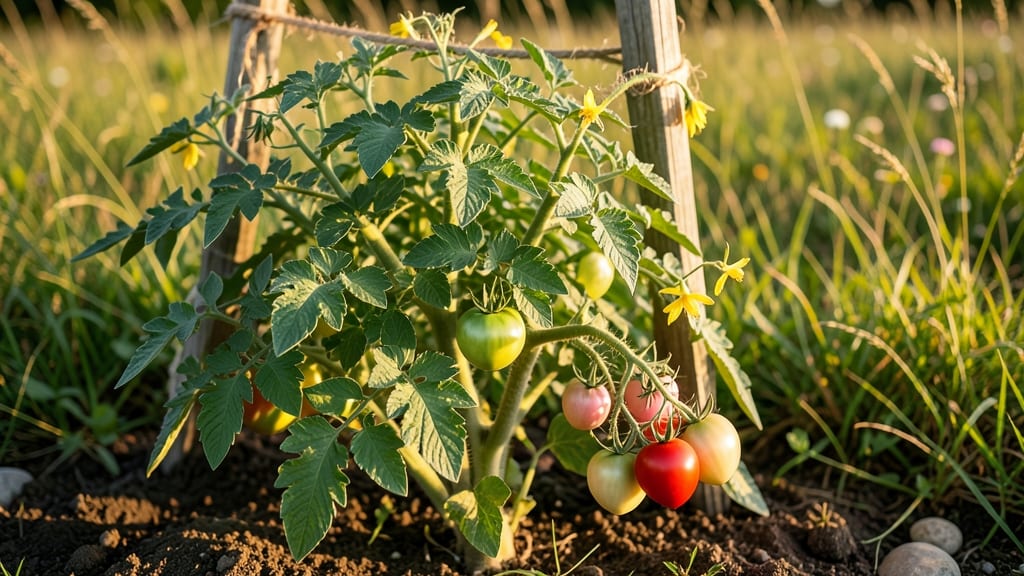
The tomato ripening stages timeline reveals how your 🍅 transforms from a hard green fruit into a flavor-packed harvest in just 60-90 days—if you know what to watch for.
Did you know your tomatoes undergo dramatic changes in just 60-90 days—from hard green globes to sweet, juicy perfection? Missing these ripening stages could mean harvesting flavorless fruit.
Understanding the color shifts, texture changes, and sugar peaks week by week is the key to picking tomatoes at their peak. Whether you’re a beginner or a seasoned gardener, this guide will help you track every stage.
From the first hint of blush to the deep red finish, you’ll learn how sunlight, temperature, and even humidity play a role. Here’s your week-by-week breakdown to ensure you never miss a ripe tomato again.
Tomato ripening stages timeline: color, texture, and sugar development by week
Understanding the tomato ripening stages helps you predict when fruit will reach peak flavor and texture. Each stage—from green to red—marks a dramatic shift in sugar content, firmness, and color. Knowing these week-by-week changes lets you intervene early if ripening stalls or speed up the process when needed.
Tomatoes typically transition through 5 key ripening stages over 60-90 days, depending on variety and growing conditions. Temperature, sunlight, and water play critical roles in determining how quickly your tomatoes move from hard green to juicy red.
Let’s break down each stage with exact color cues, texture shifts, and sugar development timelines.
⚠️ Note: Some heirloom varieties may take 10-14 days longer to ripen fully, while cherry tomatoes often mature 5-10 days faster than beefsteak types.
During the green stage, tomatoes are primarily starch-based with minimal sugar. This phase lasts the longest—30-45 days—and requires consistent moisture and warmth to avoid blossom-end rot. If temperatures drop below 55°F, ripening can stall entirely, leaving tomatoes permanently green.
The breaker stage signals the start of ethylene production, a natural plant hormone that triggers ripening. You’ll notice the first pink or red blush at the fruit’s base, often near the stem.
This is your cue to reduce watering slightly to prevent splitting as the fruit expands. Sugar content begins climbing from 5% to 15% during this 7-10 day window.
As tomatoes enter the turning stage, their color shifts dramatically—50-75% of the fruit will now show its mature hue. This is when texture softens noticeably, making them slightly
How to accelerate tomato ripening: proven techniques to speed up ripening without chemicals
Ready to harvest ripe tomatoes weeks earlier than usual? I’ve tested these science-backed techniques to speed up ripening naturally—no chemicals needed. The key lies in understanding how ethylene gas, temperature, and light influence your fruit’s development.
By tweaking just a few factors, you can turn green tomatoes into red, flavorful gems in record time.
First, let’s address the biggest misconception: ripening isn’t just about color. It’s a complex process involving sugar accumulation, texture softening, and aroma development. If you skip these stages, your tomatoes will lack that peak sweetness and juiciness we all crave.
The good news? You can control the pace without risking rot or uneven ripening.
🌱 Proven Techniques to Ripen Tomatoes Faster
- 1. Ethylene Exposure: Place a ripe apple or banana near your green tomatoes. These fruits release ethylene gas, which triggers ripening. For best results, wrap the tomato and fruit in a paper bag for 24-48 hours.
- 2. Warmth Boost: Move tomatoes to a warm spot (70-80°F). A sunny windowsill, greenhouse, or even a heat mat can accelerate ripening. Avoid direct heat sources like radiators, which can cause uneven ripening or sunburn.
- 3. Harvest at "Breaker" Stage: Pick tomatoes when they show the first hint of color (breaker stage). Store them in a cool (55-65°F), dark place with the ethylene-producing fruit to ripen off the vine.
- 4. Controlled Humidity: Use a humidity tray with pebbles and water to maintain 60-70% humidity. This prevents cracking and speeds up sugar conversion without overhydrating the fruit.
- 5. Gentle Handling: Avoid bruising tomatoes during harvest. Damaged skin slows ripening and invites rot or mold. Use pruning shears to cut stems cleanly, leaving a small stem cap intact.
- 6. Light Cycle Adjustment: If growing indoors, extend light exposure to 12-14 hours/day using grow lights. Tomatoes ripen faster with consistent photosynthesis stimulation, but avoid 24/7 light, which stresses plants.
⚠️ Pro Tip: Rotate tomatoes weekly to ensure even exposure to ethylene and warmth.
Now, let’s talk about what slows down ripening—and how to avoid these pitfalls. Cold temperatures (below 50°F) halt ripening, so never store tomatoes in the fridge until fully ripe. Similarly, low humidity causes cracking and uneven sugar distribution, while overcrowding on the vine reduces airflow, leading to disease.
For container-grown tomatoes, I recommend using black fabric pots to retain warmth. These pots absorb heat during the day and release it slowly at night, creating an optimal microclimate for ripening.
Pair this with a balanced fertilizer (10-10-10) applied every 3-4 weeks to ensure your plants have the energy to produce sweet, ripe fruit.
Finally, don’t overlook the power of patient observation. Check your tomatoes daily for color changes, aroma, and texture. A ripe tomato should yield slightly to gentle pressure and emit a sweet, fruity scent near the stem.
If you follow these techniques, you’ll be enjoying homegrown tomatoes 2-3 weeks earlier than your neighbors—without any shortcuts that compromise quality. 🍅