
Pests
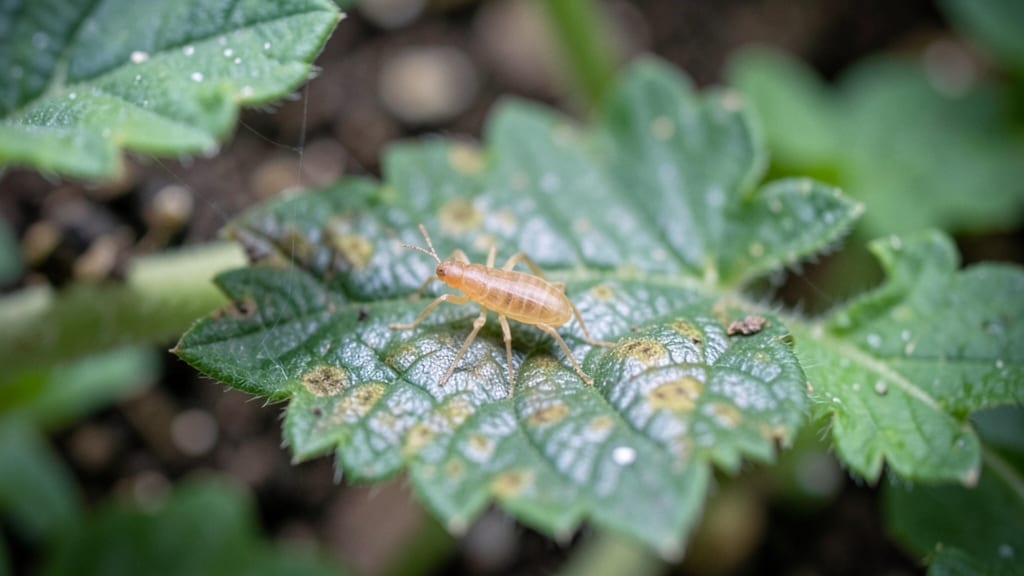
Your tomatoes look like they’ve been sandpapered by tiny invaders—and that’s exactly what’s happening with a tomato russet mite treatment.
The russet mite turns vibrant green leaves into brittle, silver-speckled messes, but a neem oil spray applied at the first sign of trouble can stop this pest dead in its tracks within days. I've seen this mite destroy entire plants in a week, but the key is catching it early.
These microscopic pests thrive in hot, dry conditions, so your first defense is keeping plants well-watered and shaded during peak afternoon sun. Once you spot the telltale stippling on leaves, act fast—neem oil disrupts their life cycle while being safe for your plants and pollinators.
The results are shockingly fast: within 3-5 days of treatment, new growth emerges clean, and the damage stops spreading. You'll know it's working when you see fresh, glossy leaves pushing through—proof the mites are gone for good.
This method works for both garden tomatoes and container plants, and it's the first line of defense before reaching for stronger chemicals. Let's get those leaves looking healthy again!
Hidden Triggers Behind Tomato Russet Mites
If your tomato plants are suddenly sporting a silvery, russeted look on their leaves—like someone dusted them with glitter—Phytonemus pallidus, the infamous tomato russet mite, is likely the culprit. But why does this tiny pest suddenly strike?
The answer lies in a mix of environmental stress, plant health, and even your garden’s hidden weaknesses. Let’s break down the real reasons these mites invade your tomatoes—and how to prevent them before they start.
The tomato russet mite thrives in hot, dry conditions, but it doesn’t just show up out of nowhere. When tomato plants experience water stress—whether from inconsistent watering, poor soil drainage, or scorching summer heat—they become prime targets. Here’s why:
- Stressed leaves = easier entry. Drought-stressed plants produce less chlorophyll and more waxy coatings on leaves, which the mites love to feed on. Think of it like a buffet sign: "All-you-can-eat russeting here!"
- Reduced natural defenses. Healthy tomato plants produce volatile organic compounds (VOCs) that repel pests. But when they’re thirsty or overheated, these defenses dramatically drop, leaving them vulnerable.
- Mites multiply faster in heat. Russet mites reproduce rapidly in temperatures above 80°F (27°C). If your garden is a sauna, these pests can go from a few individuals to an out-of-control infestation in weeks.
Actionable fix: Water deeply at the base of plants (not overhead) in the early morning to reduce evaporation. Use mulch to retain moisture and shade cloth during peak heat to lower leaf temperatures.
A weak tomato plant is like an open invitation for russet mites. If your tomatoes are struggling with nutrient deficiencies, disease, or overcrowding, they’re far more likely to attract these pests. Here’s the science:
- Nitrogen deficiency = mite magnet. When tomatoes lack nitrogen, their leaves turn yellow and brittle, and the cell walls become thinner. Russet mites prefer these soft, nutrient-poor leaves because they’re easier to pierce and suck out sap.
- Fungal diseases create perfect hiding spots. Mites often hitchhike on powdery mildew or early blight spores. If your plants already have fungal issues, the mites move in without resistance.
- Overcrowded plants = trapped humidity. When tomato plants are too close together, airflow decreases, leading to higher humidity and slower drying—ideal conditions for mite eggs to hatch and thrive.
Actionable fix:
- Test your soil for nitrogen levels and amend with compost or a balanced fertilizer (10-10-10).
- Space plants 18–24 inches apart for better airflow and sunlight penetration.
- Prune lower leaves to reduce humidity buildup and remove any with fungal spots immediately.
In a healthy garden, natural predators like ladybugs, lacewings, and predatory mites (Amblyseius species) keep russet mite populations in check. But if these helpers are nowhere to be found, the mites take over. Here’s what disrupts this balance:
- Broad-spectrum pesticides wipe out allies. If you’ve used neonicotinoids, pyrethroids, or even some organic sprays, you’ve likely killed off beneficial insects that eat russet mites. These pesticides are non-selective, meaning they harm both pests and their predators.
- Monoculture gardens lack biodiversity. A garden with only tomatoes offers no habitat for predator species. Without alternative food sources (like aphids or pollen), ladybugs and lacewings won’t stick around.
- Lack of flowering plants = no food for predators. Many beneficial insects rely on nectar and pollen from flowers like dill, fennel, or marigolds. Without these, they leave your garden for greener pastures.
Actionable fix:
- Avoid harsh chemical sprays—opt for targeted treatments like neem oil or insecticidal soap.
- Plant companion flowers like alyssum, cosmos, or sweet alyssum near tomatoes to attract predators.
- Introduce predatory mites (like Amblyseius cucumeris) or release lacewing eggs for biological control.
Russet mites don’t just feed on healthy leaves—they hide in the cracks and crevices of old, damaged, or diseased foliage. Here’s how your garden might be unknowingly harboring them:
- Yellow or senescing leaves = mite hotels. As leaves age and turn yellow, their cell walls weaken, making them easier for mites to burrow into. The mites lay eggs in these layers, protecting them from sprays and predators.
- Physical damage from hail or tools. If your plants have tears, punctures, or abrasions (from pruning shears, hail, or even strong winds), mites can hide in the grooves and emerge when conditions are right.
- Diseased leaves create microclimates. Spots from early blight or septoria leaf spot trap moisture, creating the perfect humid, shaded environment that russet mites love for egg-laying.
Actionable fix:
- Regularly prune and remove yellow, damaged, or diseased leaves below the soil line (not into compost piles—mites can survive there!).
- Use sterilized pruners to avoid spreading disease or mites to other plants.
- After pruning, wipe down tools with rubbing alcohol to prevent cross-contamination.
Understanding these triggers is the first step to stopping russet mites before they start. The good news? Most of these fixes are simple and preventative.
Once you address heat stress, plant health, predator loss, and leaf debris, your tomatoes will become a much less appealing buffet for these tiny pests. 🚫🐜
Quick Fixes for Russet Mite Woes
Got a tomato russet mite infestation? Don’t panic—these tiny pests might be sneaky, but they’re not invincible! The key to stopping them lies in targeted treatments that disrupt their life cycle while keeping your plants healthy.
Below, we’ve broken down practical solutions based on the most common causes of infestations, from overcrowded plants to poor garden hygiene. Plus, we’ll share prevention tips to keep those pesky mites from crashing your harvest again.
Russet mites thrive where tomato plants are struggling—whether from poor spacing, nutrient deficiencies, or drought stress. Fix it fast with these steps:
🌱 Step 1: Prune for Better Airflow
Overcrowded foliage traps heat and humidity, creating the perfect breeding ground for mites.
- Trim yellowing or damaged leaves (especially on the undersides).
- Space plants at least 18–24 inches apart to improve airflow.
- Remove heavily infested plants if the damage is severe (bag them and dispose of them far from your garden).
💧 Step 2: Hydrate & Fertilize Properly Stressed plants attract more pests.
Keep your tomatoes consistently moist but not soggy: - Water deeply at the base (avoid wetting leaves to prevent fungal issues). - Use a balanced fertilizer (10-10-10 or organic options like compost tea) to boost plant resilience. - Mulch around the base to retain moisture and regulate soil temperature.
💡 Pro Tip:
🌡️ Morning watering is best—it gives leaves time to dry, reducing humidity where mites love to hide.
If you’ve spotted silvering or bronzing on leaves, it’s time for organic, chemical-free treatments. These sprays disrupt mite feeding and reproduction without harming beneficial insects.
🌿 Neem Oil Spray (Best for Early Infestations)
Neem oil is a powerhouse against russet mites because it smothers eggs and adults while repelling future invaders. How to make it: 1. Mix 1 tbsp neem oil + 1 tsp mild soap (or horticultural oil) + 1 quart water.
- Shake well and spray undersides of leaves (where mites hide) in the early morning or late evening (avoid direct sunlight—it can burn leaves).
- Reapply every 5–7 days until mites disappear (usually 2–3 weeks).
🔪 Insecticidal Soap (Fast-Kill Solution)
For severe infestations, insecticidal soap delivers a quick knockdown.
- Use a pre-mixed soap (like Safer® Insect Killing Soap) or DIY with 1.5 tbsp castile soap + 1 quart water.
- Spray thoroughly, focusing on new growth and leaf undersides.
- Reapply every 3–4 days until mites are gone.
⏰ Preventative Spray Schedule
- Start spraying at the first sign of silvery leaves (don’t wait for a full-blown infestation!).
- Rotate treatments (neem one week, soap the next) to prevent resistance.
Sometimes, changing your gardening habits is the most effective long-term fix.
🌡️ Adjust Soil & Water Temperatures
Russet mites love heat—they multiply faster in warm, dry conditions.
- Water more frequently in hot weather to keep soil cool.
- Use shade cloth (30–50%) if your region gets extreme heat (above 90°F).
- Avoid overhead watering—it spreads mites and encourages fungal growth.
🌱 Crop Rotation & Cleanup
Mites overwinter in plant debris, so remove all tomato plants (including roots) at season’s end.
- Compost healthy plant material only if it’s disease-free.
- Solarize soil in late summer: Cover beds with clear plastic for 4–6 weeks to kill lingering mites.
🐝 Introduce Beneficial Predators
Nature’s pest control! These mite-eating allies can help:
- Ladybugs (devour mite eggs and adults).
- Predatory mites (Phytoseiulus persimilis—ask at garden centers).
- Lacewings (their larvae feast on mites).
How to attract them:
- Plant dill, fennel, or yarrow nearby—they love these flowers.
- Avoid pesticides (even organic ones) that harm beneficial insects.
The best treatment? Never letting them take hold in the first place! Follow these easy habits to keep your tomatoes mite-free:
- Start with healthy plants – Buy certified disease-free seedlings or grow from sterilized seeds.
- Inspect new plants – Quarantine them for 2 weeks before planting in your garden.
- Monitor regularly – Check leaf undersides weekly for early signs (silvering, stippling).
- Keep the garden clean – Remove weeds and fallen leaves where mites hide.
- Use reflective mulch – Aluminum foil or silver mulch confuses mites and deters them from settling.
Final Thought: Russet mites are a nuisance, but with consistent action, you can save your tomato crop—and even prevent future infestations. Start with neem oil or insecticidal soap, fix plant stress, and keep your garden clean.
Your tomatoes (and your sanity) will thank you! 🍅💚
Frequently asked questions
How do I know if my tomato plants have russet mites?
Look for silvery or bronze speckling on the upper surfaces of leaves—this is the telltale sign of russet mites. Check the undersides of leaves too, where you might spot tiny yellow mites moving around. Early symptoms include stippling (tiny dots) that eventually merge into larger russeted patches. Unlike spider mites, russet mites don’t create visible webbing.
Will neem oil really kill russet mites?
Yes! Neem oil disrupts the life cycle of russet mites by smothering eggs and adults while repelling new ones. For best results, mix 1 tbsp neem oil + 1 tsp mild soap + 1 quart water and spray undersides of leaves every 5–7 days. Apply in the early morning or evening to avoid leaf burn from sunlight. Most gardeners see improvement within 1–2 weeks of consistent use.
Can I still save my tomatoes if the infestation is severe?
but act fast! First, prune all heavily damaged leaves (especially lower ones) and dispose of them far from your garden. Then apply insecticidal soap (reapply every 3–4 days) while using neem oil on alternate days. For extreme cases, consider removing the entire plant if it’s beyond saving—this prevents spreading mites to other crops.
Are russet mites harmful to humans or pets?
No, these tiny pests pose no direct threat to humans or pets. They feed solely on plant sap and don’t bite or sting. However, their damage weakens plants, making them more susceptible to diseases. Always wear gloves when handling infested plants to avoid skin irritation from the oils used in treatments (like neem or insecticidal soap).
How can I prevent russet mites next season?
Start with cleanup and prevention: Remove all plant debris at season’s end, practice crop rotation, and use reflective mulch (like aluminum foil) to deter mites. Plant companion flowers (dill, fennel) to attract beneficial predators like ladybugs. Also, avoid overhead watering and maintain proper spacing (18–24 inches apart) for better airflow.